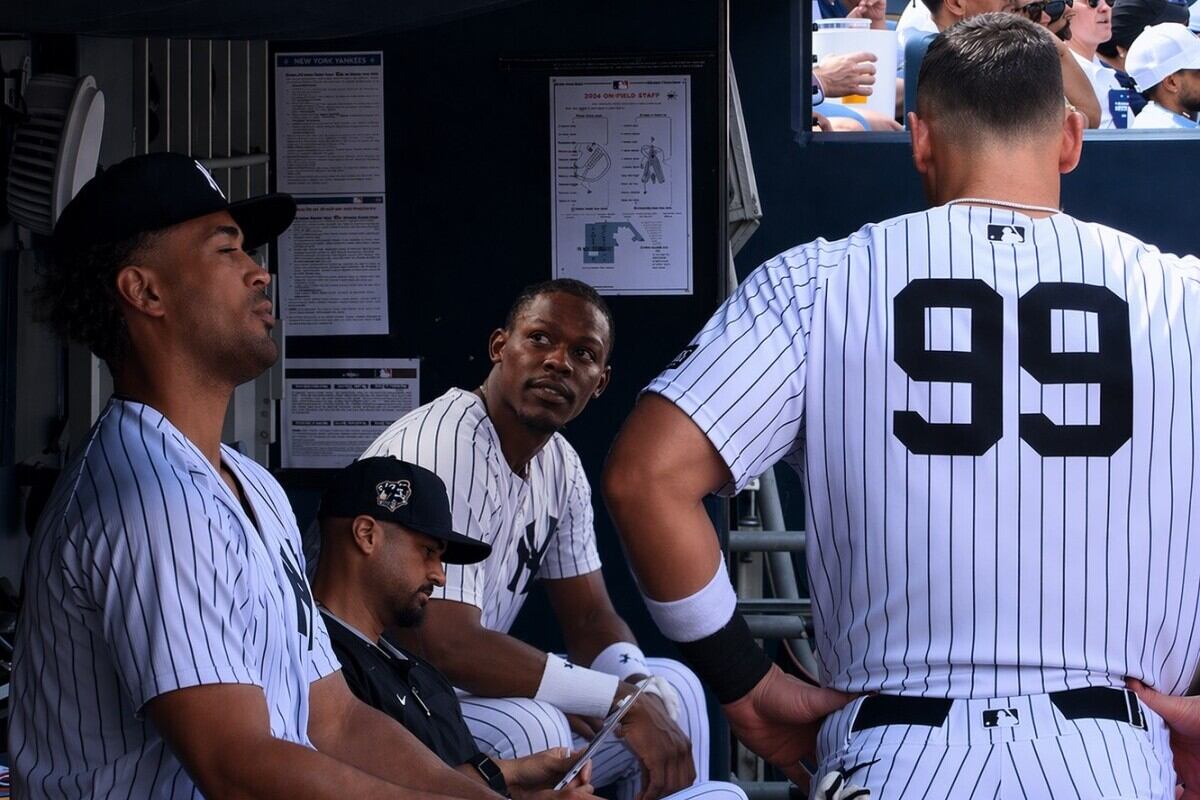
BRONX, N.Y. — If you bought tickets to a day game at Yankee Stadium this season and noticed the first pitch running a little later than expected, you are not imagining things. The Yankees quietly moved their afternoon start times from 1:05 p.m. to 1:35 p.m. in 2026, a 30-minute shift that has generated almost no public attention but has made a real difference inside the clubhouse.
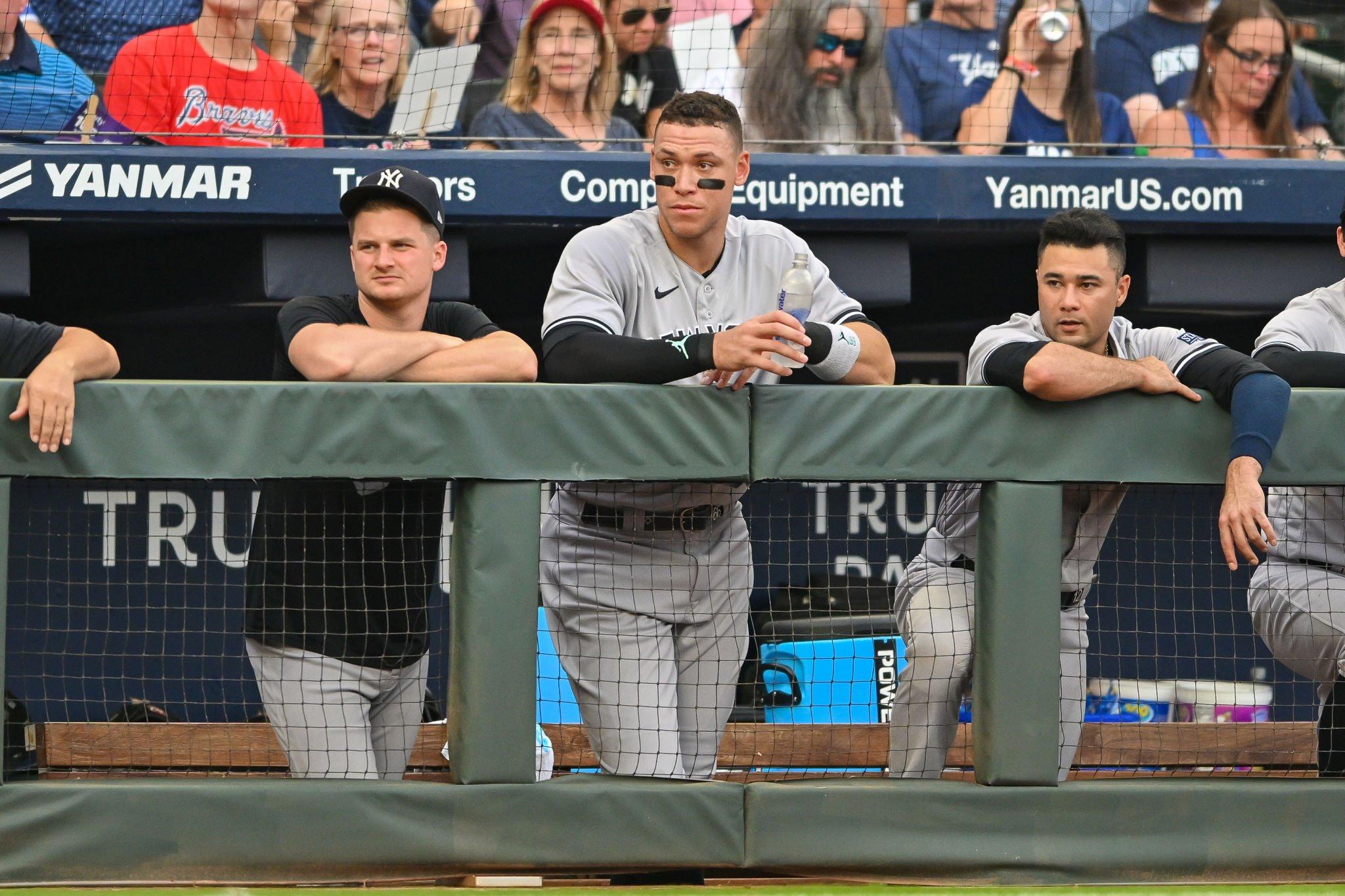
The reason for the change was straightforward: the Yankees players asked for it. Specifically, a group of veterans that included Aaron Judge and Giancarlo Stanton approached club officials and made the case that an extra half-hour would meaningfully improve their recovery and daily preparation. The Yankees front office said yes without any significant debate.
It is the kind of quiet, internal adjustment that rarely makes news. But the response from the Yankees players who pushed for it suggests the change is worth understanding.
Why veteran players wanted the later start
The push for the Yankees’ schedule adjustment came from players dealing with the accumulation of a long season’s worth of late nights. When a team plays a night game that ends past 10 p.m. and then faces a day game the next afternoon, the turnaround can be brutal over 162 games. Thirty minutes does not sound like much on paper. Inside a baseball clubhouse, it can mean the difference between adequate preparation and genuine readiness.
According to a report by Bob Klapisch of NJ.com, players cited multiple benefits from the shift. Some use the extra time to get additional sleep after night games. Others use it for extended work with trainers, additional batting cage sessions or extended film study. The flexibility to choose is part of what the players valued.
Stanton was asked about the change and what it means in practice for players trying to manage the demands of a full professional season.
“It’s a 100 percent improvement,” the Yankees slugger said. “For some guys, the extra sleep in their prep. For other guys, they use time here getting treatment. I like it. The extra half hour feels like an hour.”
That framing, extra time that feels larger than it actually is, reflects how tightly managed a major league player’s recovery schedule tends to be. When every available minute counts, gaining 30 feels disproportionately valuable.
The main news: Judge cited longer games under the ABS system
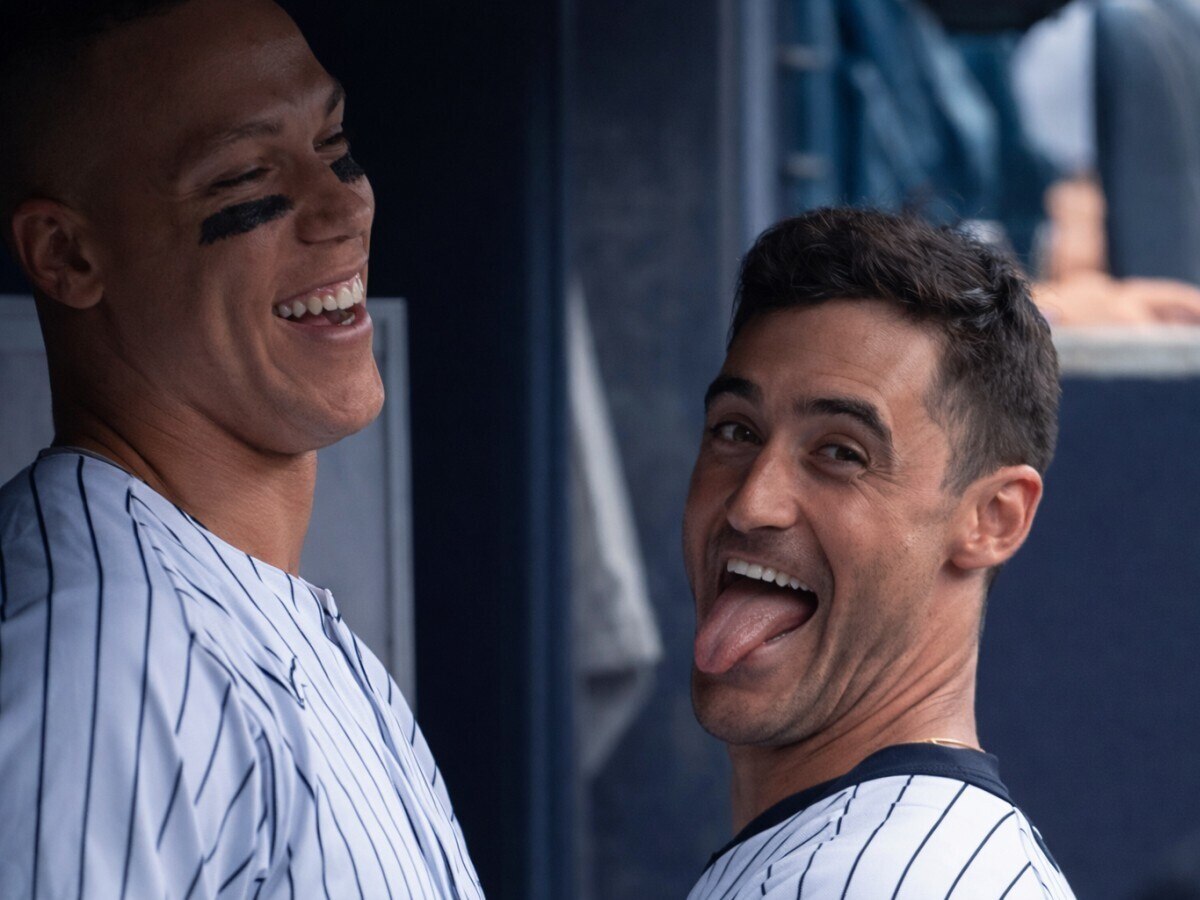
Judge’s reasoning went beyond simple fatigue. The Yankees captain connected the request directly to one of the more significant structural changes in baseball in recent years: the Automated Ball-Strike system, which has been in wider use and has led to more challenges and delays during games.
The average game time at Yankee Stadium this season has climbed to 2 hours and 42 minutes, up from 2 hours and 38 minutes in 2025 and 2 hours and 36 minutes in 2024. Judge acknowledged the cumulative effect of those longer contests when explaining why he was among the Yankees players who supported the change.
“It just feels like the games are getting longer. We’ve had a couple already that’ve been close to three hours or over,” the Yankees captain said. “So any time you can get more rest after a night game, I was one of the (players) in favor of that.”
The ABS system, introduced to remove human error from ball-strike calls, has created a new pattern of mid-inning pauses as players and managers challenge calls. Those brief interruptions add up. A game that stretches to three hours on a Tuesday night ends later and demands an earlier morning wake-up before a Wednesday afternoon start. The 1:35 p.m. start softens that math even modestly.
Cashman confirmed it needed no league approval
General manager Brian Cashman was asked about the decision and confirmed that the Yankees did not need Major League Baseball’s permission to make the change. Individual clubs control their own scheduling within certain parameters, and moving a first pitch by 30 minutes falls well within that authority.
“We have the right to start games at whatever hour we choose,” the Yankees GM said. “It could be 1 p.m., 4 p.m., 7 p.m., it’s up to us. The players asked, and we said yes. There was no issue with it.”
That response matters beyond the specific policy. It shows a front office willing to act on player input for quality-of-life adjustments that carry no competitive downside. The Yankees did not push back, did not need to study it further and did not attach conditions. They simply approved it.
How other options were considered and declined
The Yankees did consider alternatives before settling on the 1:35 p.m. start. The possibility of shifting to Saturday night games was discussed and largely rejected. Starting at 4:10 p.m., the way the Mets currently schedule some afternoon games, was also floated as a middle option.
Cody Bellinger, who played for the Cubs from 2023 to 2024 and experienced a schedule loaded with traditional afternoon starts at Wrigley Field, gave some context on how players adapt to different start times across organizations.
“I loved all the day games when I was with the Cubs,” Bellinger said. “We’d play Friday, Saturday and Sunday at (1:20) o’clock, which was great. You do get used to it.”
Stanton made the case for why the traditional afternoon start still works for players even at the later time, pointing to the social dimension of a schedule that gives players some of their evenings back.
“Most guys will tell you 1 o’clock or 1:35 games will give your life some normalcy,” the Yankees slugger said. “This way you get a chance to go out to dinner on a Saturday night, which is nice to be able to do.”
The adjustment is a small one by any measure. But in a sport where marginal gains in preparation and recovery can affect performance over the long grind of a season, a half-hour of extra time that Judge and Stanton personally lobbied for is not something the Yankees were going to second-guess.
What do you think about the extra time?