NEW YORK — Major League Baseball is set to change the strike zone forever. The introduction of the Automated Ball-Strike (ABS) Challenge System in 2026 could bring long-awaited relief to New York Yankees slugger Aaron Judge, who has spent years battling inconsistent strike calls at the plate.
The league confirmed that the ABS system will be used across all 30 ballparks next season following extensive trials in the minors, spring training, and this year’s All-Star Game. The move represents one of MLB’s most significant shifts toward technological officiating.
How the challenge system works

The ABS Challenge System allows players to contest questionable calls directly, eliminating the need for managerial approval. Each team will receive two challenges per game. Pitchers, catchers, and hitters can initiate a challenge immediately after a disputed pitch.
If a challenge is successful, the team keeps it. If it fails, the challenge is lost. This dynamic introduces an added layer of strategy, forcing players to decide when a challenge is worth using.
The hybrid format aims to preserve baseball’s traditional human element while addressing the growing frustration with umpiring inconsistencies. Umpires still call balls and strikes, but the technology provides a corrective safety net for glaring mistakes.
Judge leads Yankees players victimized by bad calls
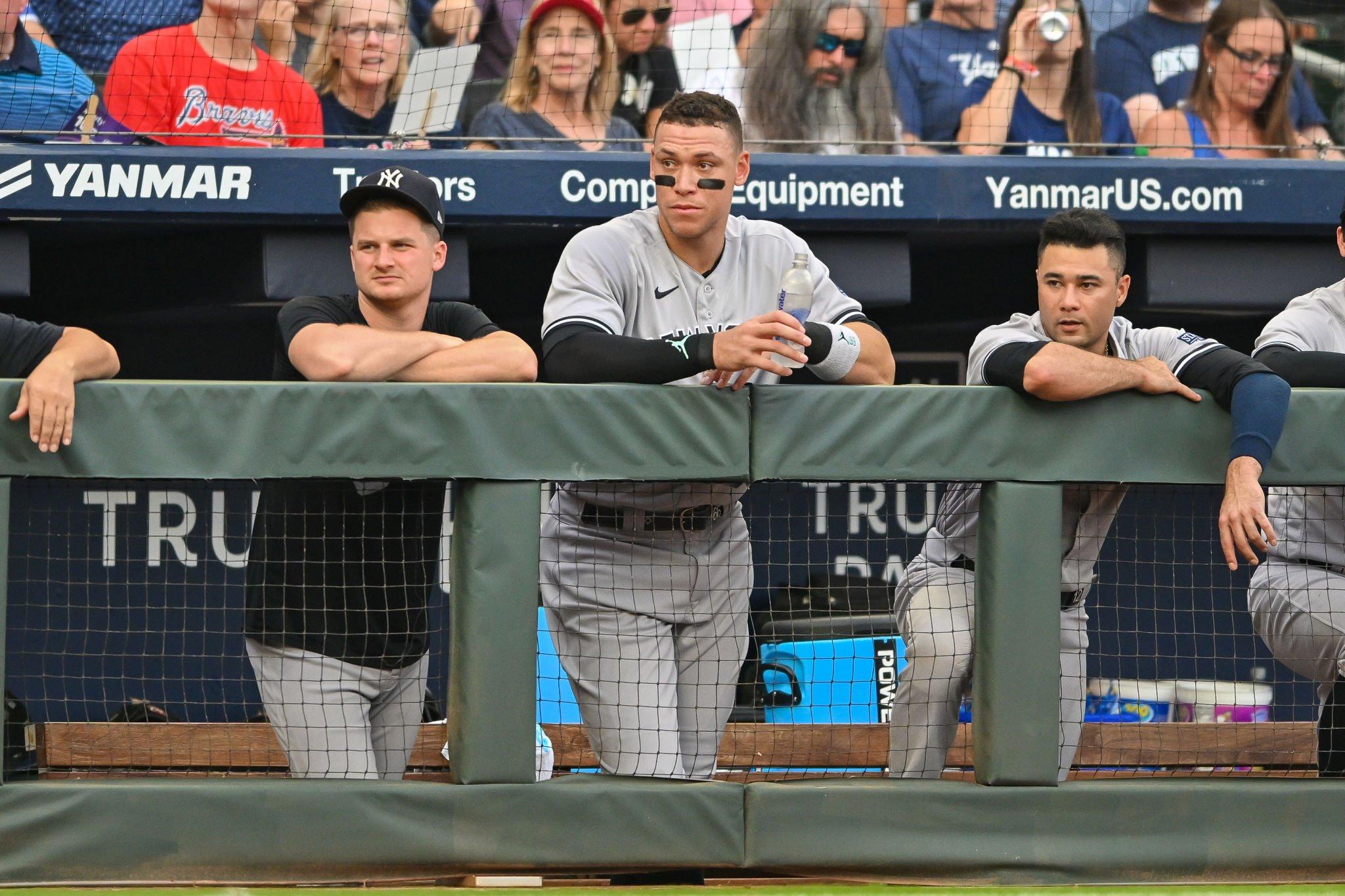
Few players stand to benefit more than Judge. The 6-foot-7 Yankees captain has endured years of low strikes being called on pitches that clearly miss the zone. His height and long strike zone have often worked against him, with umpires calling borderline pitches well below his knees for strikes.
Statcast data underscores his frustration. Among 43 players who saw at least 2,500 pitches in the 2025 season, Judge ranked eighth in incorrect strike calls at 2.1 percent. Two years ago, he ranked second, and in 2021, he led all hitters in bad calls against him.
Judge’s offensive dominance has rarely been in question. He has produced three of the four most statistically impressive seasons in baseball history, interrupted only by a toe injury in 2023 that derailed the Yankees’ postseason hopes. Yet those misplaced strike calls have consistently robbed him of opportunities to do more damage.
Former Yankees second baseman Gleyber Torres, now with the Detroit Tigers, topped the 2025 leaderboard at 2.5 percent. While Torres is no longer in the Bronx, his ongoing struggles with umpiring accuracy highlight how widespread the problem has been for patient hitters like him and Judge.
More Yankees affected by umpire errors
Judge isn’t alone. The Yankees lineup as a whole ranked among the most affected by poor strike calls. Expanding the Statcast review to 131 players who faced at least 2,000 pitches revealed multiple Yankees on the list.
Ben Rice placed second overall, receiving 2.6 percent incorrect calls. Anthony Volpe tied for 15th at 2.2 percent, while Cody Bellinger matched Judge at 2.1 percent, ranking 21st. Chicago’s Chase Meidroth led all players at 3.1 percent.
This pattern reflects the Yankees’ organizational philosophy. The team has long emphasized plate discipline, teaching hitters to work deep counts and force pitchers into mistakes. Players like Paul Goldschmidt, Brett Gardner, Andrew Benintendi, Matt Carpenter, and DJ LeMahieu exemplify this approach.
The challenge system could reward that patience, giving disciplined hitters a new weapon to protect their strike zone.
Strategic questions surround new system
With power now in the players’ hands, strategy becomes crucial. Using challenges recklessly early in games could prove costly later in tight situations. Teams will need to determine who gets the final say on a challenge, especially if emotions run high.
“Organizations will have to come up with how they want to use it,” said one National League scout who observed the system during its minor league trial. “Do you want to be aggressive with it or not? The Yankees are usually good with whatever advancements have happened, but this one is trickier since it’s up to the player. But anything that could help Judge will make them tougher to play.”
Unlike replay reviews, which are initiated from the dugout, ABS challenges are entirely player-driven. This shift in responsibility adds a layer of unpredictability to in-game management.
Mets players also affected
Across town, several New York Mets hitters also stand to benefit. Juan Soto, Pete Alonso, and Francisco Lindor have all been near the top of Statcast’s list for incorrect strike calls. Their inclusion shows that the issue isn’t confined to one side of the city.
The arrival of ABS could, in theory, create a more level playing field for patient hitters across both New York teams. For the Yankees, whose lineup features multiple players known for selective approaches, that could mean more walks, longer at-bats, and fewer wasted plate appearances.
Potential trade-offs for Yankees

While the system could help hitters, it may also impact the Yankees defensively. The club has prioritized strong pitch-framing among its catchers, particularly Austin Wells, who has become skilled at subtly turning borderline pitches into strikes.
Because the ABS system won’t be fully automated, catchers like Wells will still retain value. However, the margin for stealing strikes may shrink if opponents use successful challenges to overturn framed pitches.
That balance—between gaining offensive fairness and losing defensive advantages—adds complexity to how the Yankees will approach the new rule.
Implementation timing
MLB spent several years testing ABS before committing to league-wide implementation. The technology underwent rigorous trials in minor league parks, giving umpires and players time to adapt. Spring training games allowed major leaguers to experience the system firsthand, and the 2025 All-Star Game marked its most prominent test.
The gradual rollout ensured the league could fix glitches and refine timing before bringing ABS to every stadium in 2026.
The new system joins other recent innovations designed to modernize the sport, including pitch clocks, defensive shift limits, and instant replay expansion. Together, they represent MLB’s push to increase accuracy, pace, and fan engagement.
What it means for Judge and the Yankees
For Judge and the Yankees, the upcoming season represents a chance to finally even the playing field. After years of low strikes and costly umpire mistakes, the technology offers the possibility of more consistent calls.
Whether the ABS system truly delivers that consistency remains to be seen. But if it performs as intended, it could help Judge regain pitches that have long been unfairly called against him—and give the Yankees lineup an edge they’ve been missing in close games.
What do you think? Leave your comment below.