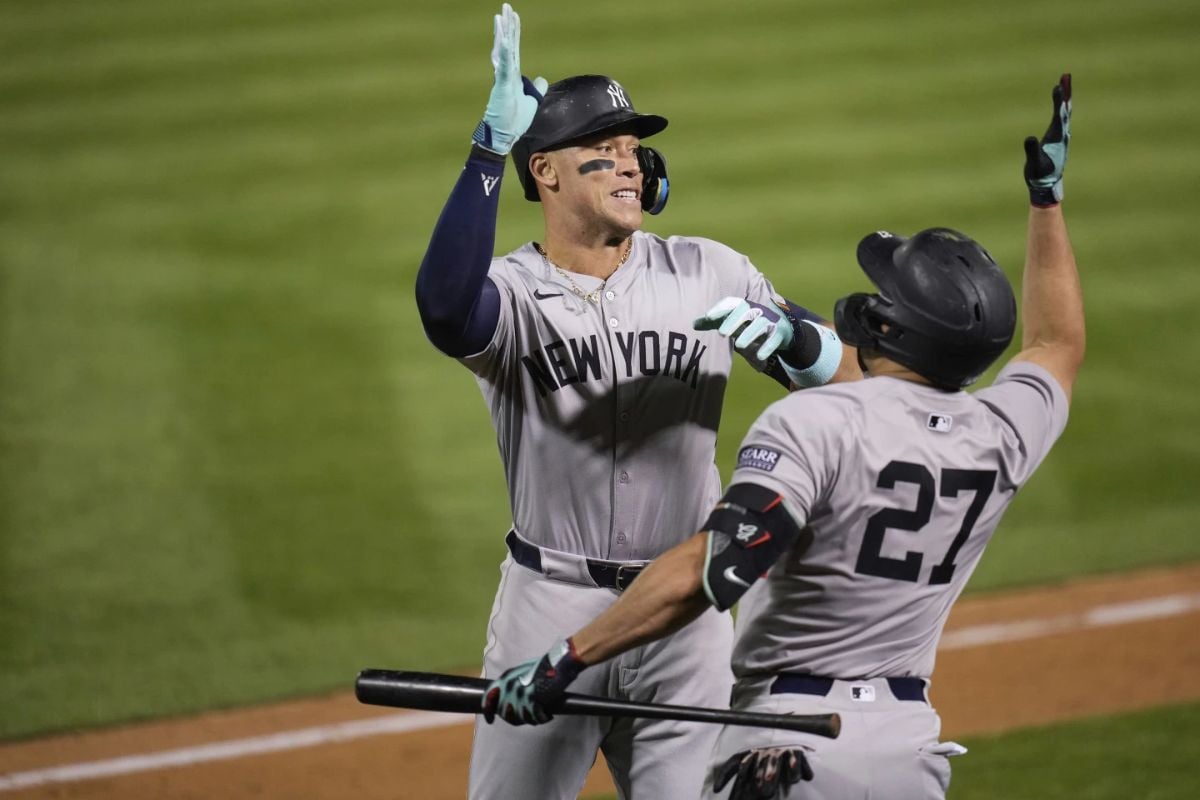
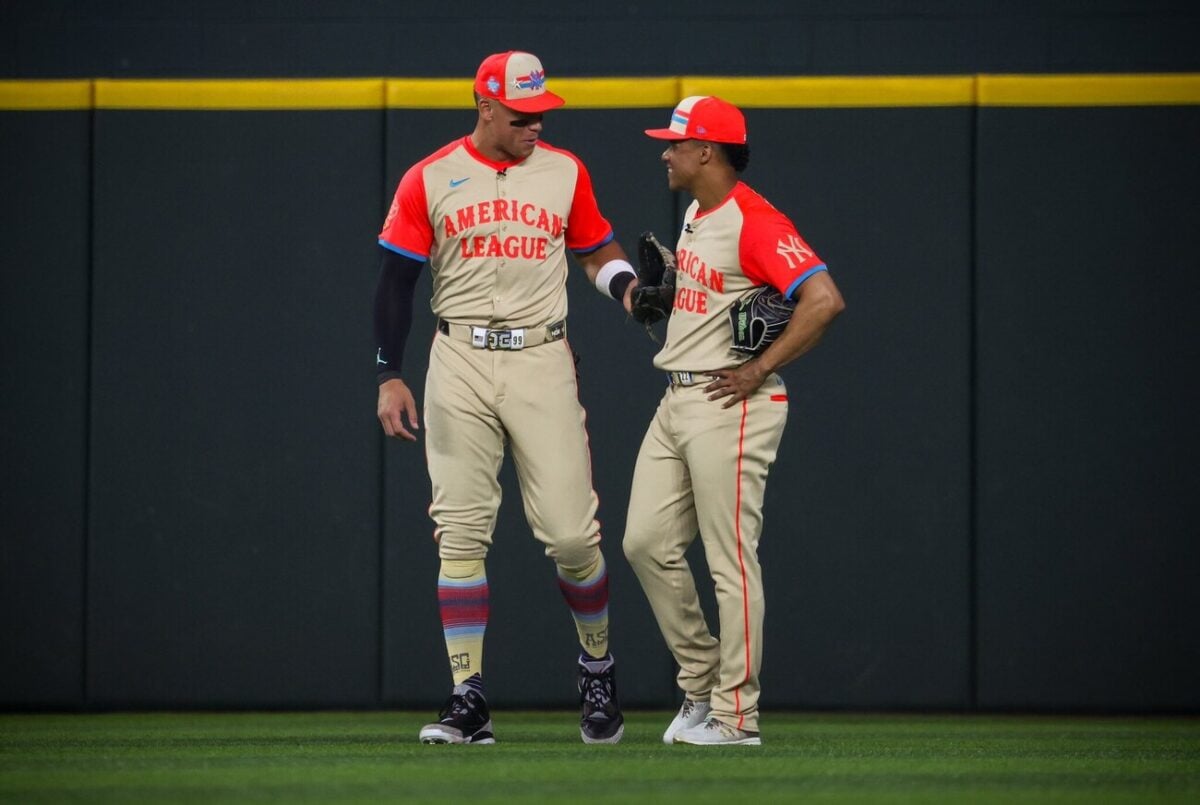
In the annals of baseball history, certain moments stand out not for what happened, but for what could have been. The potential pairing of Aaron Judge and Juan Soto in Yankees pinstripes will forever remain one of the sport’s greatest “what-if” scenarios, a dream that dissolved when Soto accepted the New York Mets’ 15-year, $765 million offer over the Yankees’ 16-year, $760 million proposal.
A dream deferred
The possibility of Judge and Soto sharing the same outfield had captured the imagination of baseball enthusiasts worldwide. As one American League executive candidly told Joel Sherman of The New York Post, the gravity of this missed connection resonated throughout the sport: “Breaking up [Aaron] Judge and Soto is real. It was special. And it might bite them. But with their budget, they were better off with what they did. They would have had Soto and a lot more holes. This way they have a better overall team.”
The numbers that never were

The statistical potential of a Judge-Soto partnership bordered on the mythical. Both players have consistently demonstrated elite offensive capabilities, with career OPS figures soaring above .900. Their contrasting yet complementary approaches at the plate – Judge’s right-handed power paired with Soto’s left-handed precision – could have created nightmares for opposing pitchers. Their combined plate discipline, with both ranking among baseball’s most patient hitters, would have transformed the Yankees’ lineup into a war of attrition against opposing pitchers.
Financial realities and hard choices
The Yankees’ decision to let Soto slip away wasn’t made in a vacuum. The financial implications of pairing Judge’s existing 9-year, $360 million contract with Soto’s proposed mega-deal would have committed an unprecedented amount of payroll to just two players. This concentration of resources would have severely limited the team’s ability to address other crucial needs, potentially creating a top-heavy roster ill-equipped for the grueling MLB season.
Highs and lows of the Yankees’ offseason

The loss of Soto wasn’t the Yankees’ only frustration this offseason. Japanese pitching sensation Roki Sasaki did not include the Yankees among his final three MLB destinations, ultimately choosing the Los Angeles Dodgers. Many speculate Sasaki’s decision was predetermined, but for the Yankees, it was another missed opportunity to land a generational talent.
However, not all is gloom and doom in the Bronx. The Yankees have made several strategic moves to bolster their roster for 2025, addressing critical weaknesses and setting themselves up as strong contenders in the American League.
Instead of creating a top-heavy roster built around two superstars, the Yankees opted for a more balanced approach. This strategy allowed them to:
- Distribute resources across multiple positions
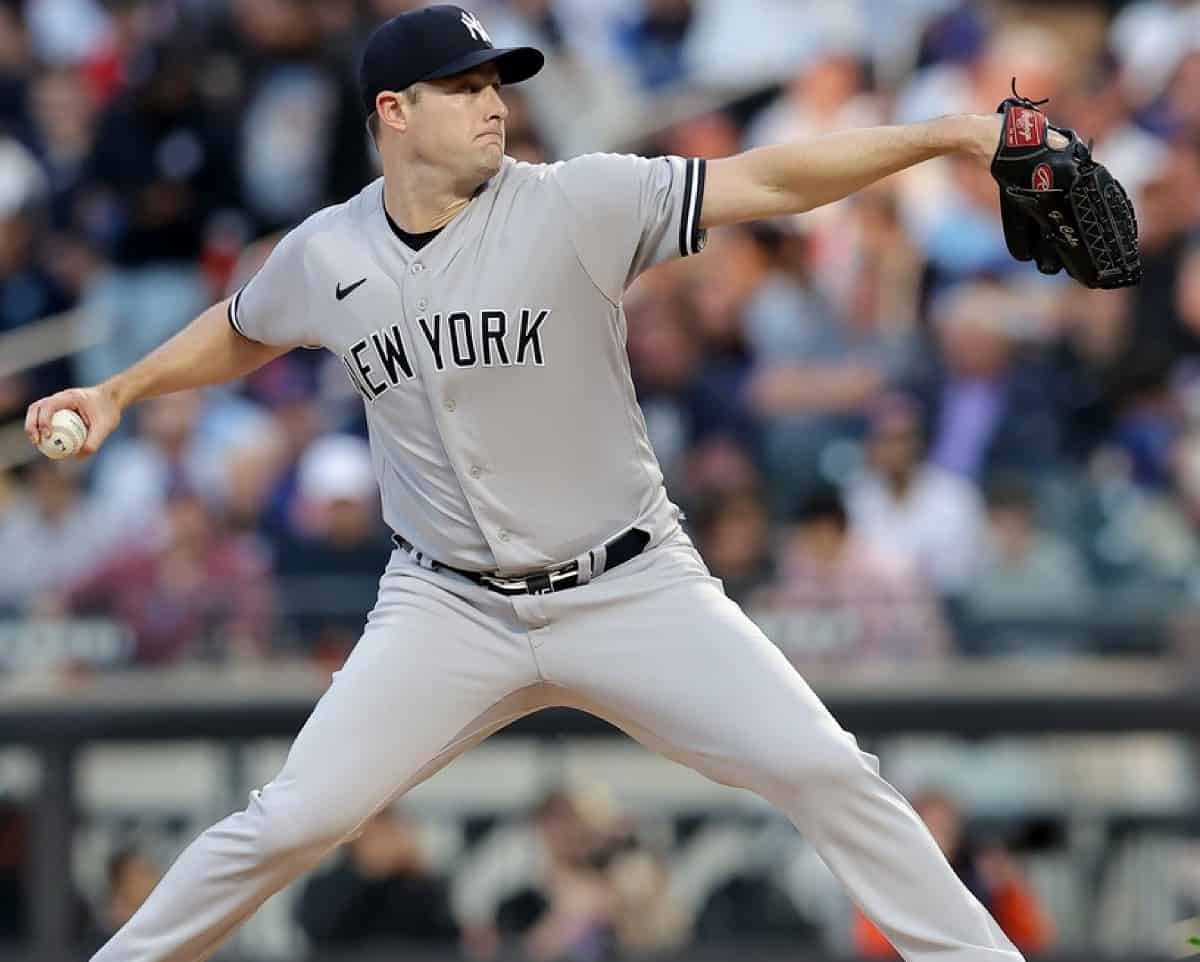
- Strengthen their pitching staff with Max Fried’s signing
- Add veteran presence with Paul Goldschmidt
- Acquire elite closer Devin Williams
- Maintain flexibility for future moves
A rivalry renewed
The situation takes on added intrigue with Soto landing with the crosstown Mets. Rather than sharing the same outfield, Judge and Soto will now face each other regularly in the Subway Series, adding a new chapter to New York’s baseball rivalry. Each matchup will serve as a reminder of what might have been, while simultaneously showcasing the different paths chosen by the city’s two franchises.
Judge’s kingdom
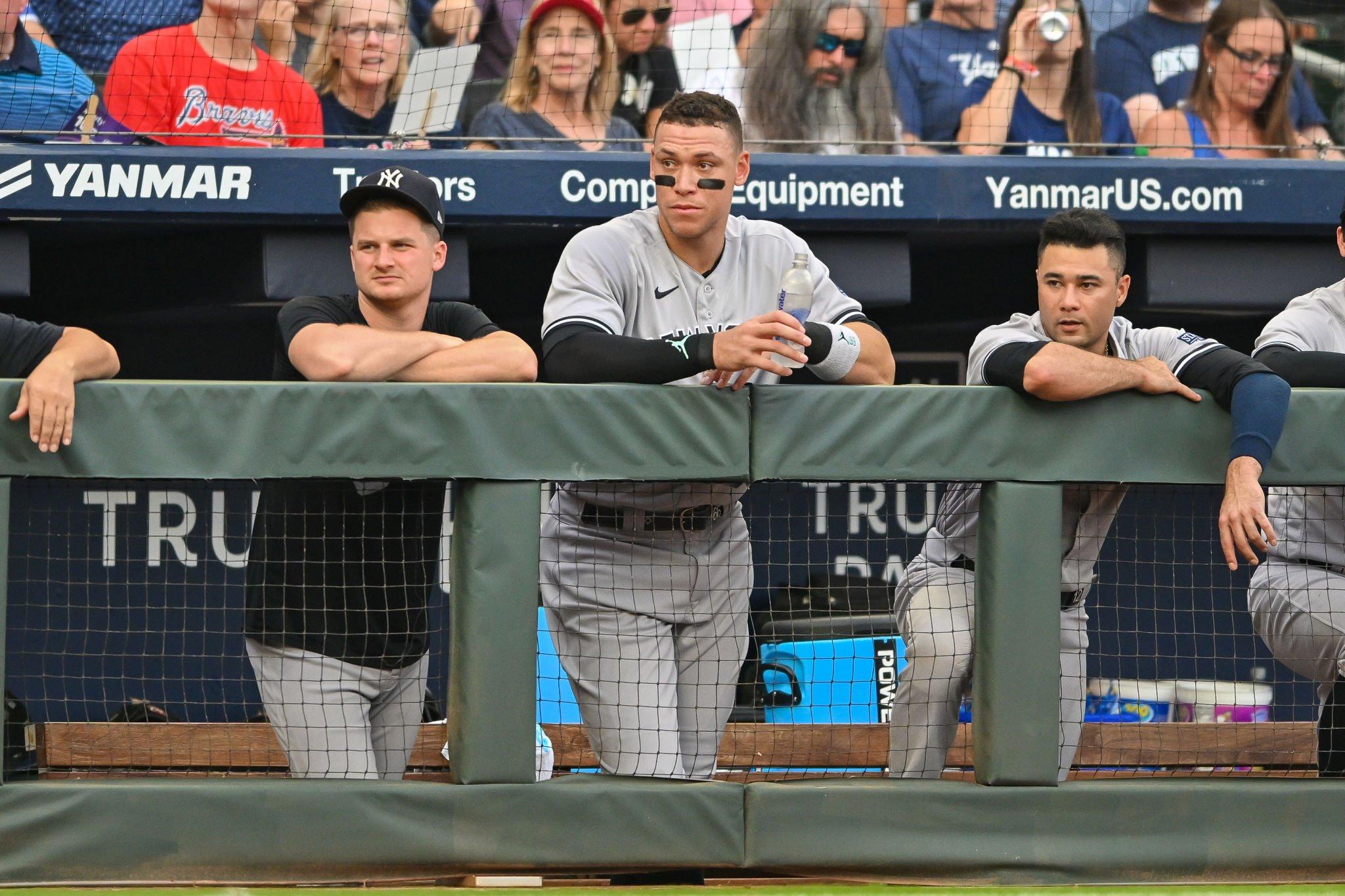
For Aaron Judge, the team’s captain and franchise cornerstone, the focus remains unwavering. Rather than sharing the spotlight with another superstar, his leadership role takes on even greater significance as he guides a more balanced roster. His presence allows the Yankees to build a more complete team around their cornerstone player, rather than trying to accommodate two massive contracts.
Market forces and future impact
The dissolution of the potential Judge-Soto pairing reverberates beyond just the Yankees and Mets. It represents a significant moment in how teams approach roster construction in modern baseball. The Yankees’ decision to prioritize roster balance over star power could influence how other teams approach similar situations in the future. This moment might be remembered as a turning point in how franchises build around their superstar players.
A new chapter
The 2025 season will provide the first real test of whether the Yankees made the right decision. Success will be measured not just in wins and losses, but in how effectively they’ve built around Judge without Soto in the equation. The Subway Series matchups will take on extra significance, offering direct comparisons of what is versus what might have been.
Breaking up the potential Judge-Soto partnership before it began represents more than just a missed opportunity – it symbolizes a philosophical shift in how the Yankees approach team building. While the allure of pairing two generational talents was undeniable, the practical realities of modern baseball economics and roster construction led them down a different path.
The true verdict on this decision won’t be known for years to come, but the story of Judge and Soto – the partnership that never was – will undoubtedly remain one of baseball’s most captivating “what-if” scenarios. As both players continue their careers on opposite sides of New York City, fans and analysts alike will forever wonder about the greatness that might have been.
What do you think? Leave your comment below.