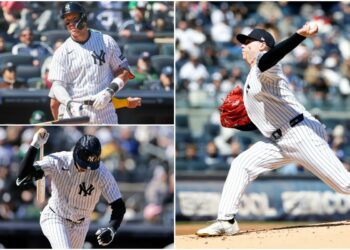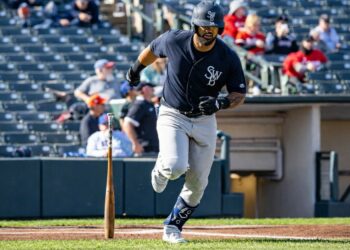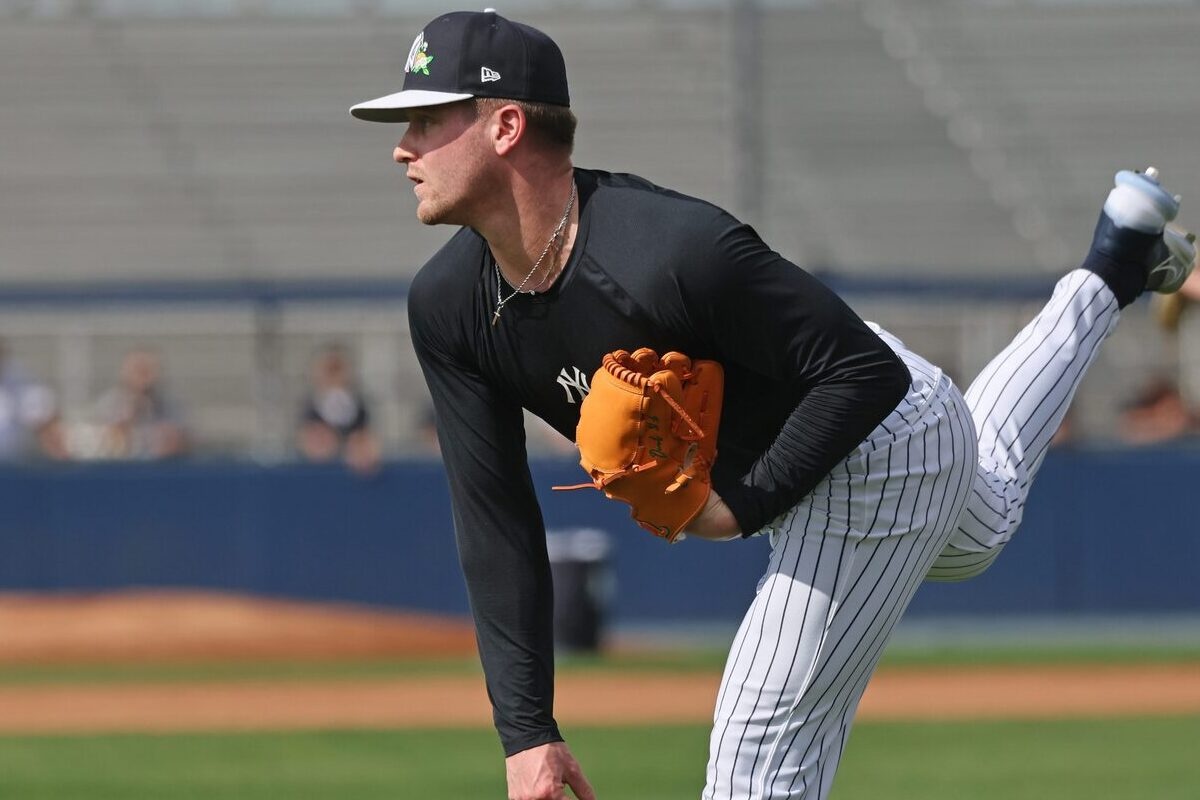
NEW YORK — Before Opening Day, the New York Yankees did something they had not done in over half a century. They placed a Rule 5 Draft pick on their major league roster.
The last time the Yankees carried a Rule 5 selection into the regular season was 1973. Fifty-three years later, right-hander Cade Winquest broke that drought. But he wore the pinstripes for 12 games and was designated for assignment without throwing a single regular season pitch.
He never threw a single pitch in a regular season game despite multiple trips to the bullpen to warm up.
The move was reported by New York Post reporter Jon Heyman shortly after the Yankees’ 1-0 loss to the Athletics at Yankee Stadium. It came with a corresponding transaction: starter Luis Gil, who had been rehabbing at Triple-A Scranton/Wilkes-Barre, was recalled to rejoin the rotation.
A 53-year milestone, gone in two weeks
The Yankees had not even selected a player in the Rule 5 Draft since 2011. So when general manager Brian Cashman reached into the Cardinals system last December and pulled out the 25-year-old Winquest, it was genuinely notable.
Rule 5 selections carry an unusual obligation. Any team that picks a player must keep him on the active 26-man roster for the full season or offer him back to his original organization. The Yankees accepted that condition, added Winquest to their Opening Day roster, and then essentially never used him.
The 6-foot-2 right-hander was spotted warming up in the bullpen on multiple occasions across the first two weeks. He never got the call to enter a game. Four times the Yankees lost by one run in games where Winquest sat unused. Three times they won by comfortable margins that could have served as low-stakes auditions. None of it resulted in an appearance.
What the numbers said about Winquest
The warning signs were visible in spring training. Winquest posted a 6.48 ERA in 8.1 innings during the Grapefruit League, allowing 11 hits and six earned runs while striking out seven. Those were not the numbers of a pitcher who had clearly won a job, yet he broke camp on the roster anyway.
His minor league track record was respectable but limited. Last season in the Cardinals system, he posted a 3.19 ERA across eight starts at Double-A Springfield. He had never pitched above Double-A before the Yankees selected him.
The combination of a shaky spring, an unproven track record, and a bullpen already stocked with reliable options created a situation where manager Aaron Boone found reasons not to deploy him in every single game the club played.
The Gil call-up forced the issue
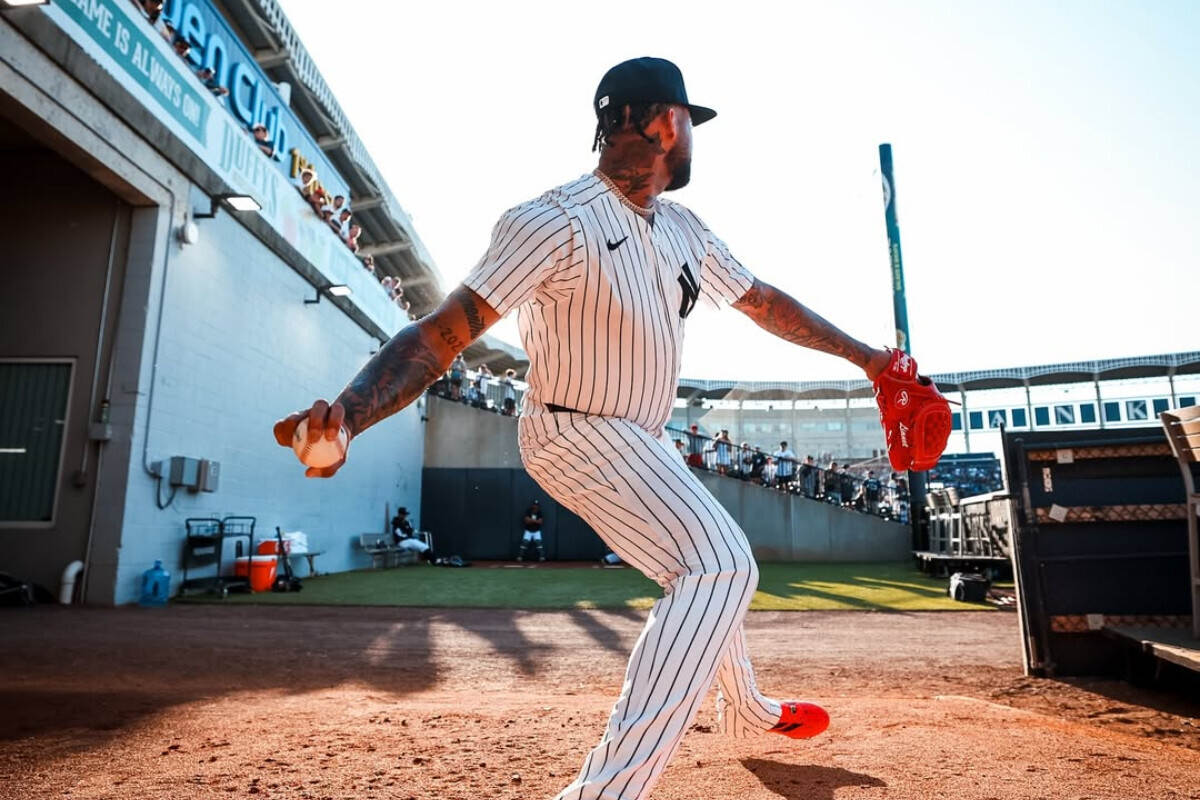
The direct cause of Thursday’s decision was the return of starter Luis Gil from Triple-A Scranton/Wilkes-Barre. Boone had signaled over the weekend that Gil would rejoin the major league club this week. With the roster limit of 13 pitchers in effect, someone had to come off.
Per MLB Trade Rumors, other bullpen options were not realistic targets. Brent Headrick had pitched well. Jake Bird had also been effective aside from one rough outing. Fernando Cruz and Camilo Doval were the only remaining relievers with minor league options, but neither was a candidate to be sent down. Winquest, who had yet to earn Boone’s trust on the mound, was the obvious choice.
Gil, the 2024 American League Rookie of the Year, is listed as the probable starter for Friday’s series opener against the Tampa Bay Rays at Tropicana Field. He posted a 3.50 ERA with 171 strikeouts in 151 2/3 innings during his award-winning 2024 campaign.
What made this case unlike any other
Among nine Yankees Rule 5 picks across the franchise’s history, only two played.
Every other pick in Yankees Rule 5 history either got returned to their original organization without playing, or was cut after sticking around for weeks without being used.
Winquest made the Opening Day roster on merit, or at least the Yankees believed he had. He was healthy. He was available every game. He showed up to the ballpark, got his work in, and was seen warming up in the bullpen on multiple occasions across those 12 games.
He never got the call.
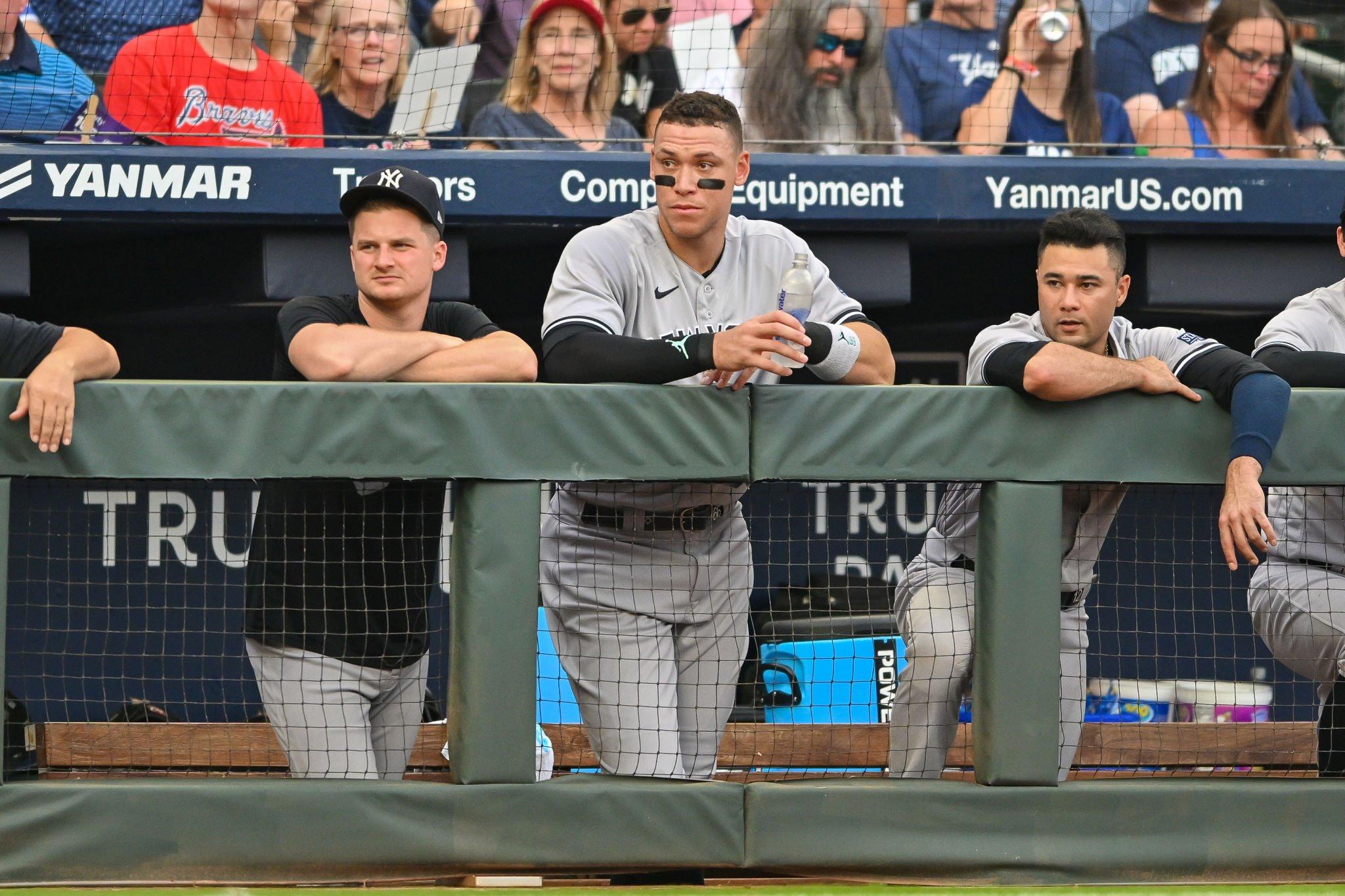
Manager Aaron Boone found reasons not to use him in every single game the team played. Four of New York’s losses came by a single run in games where a low-leverage appearance was conceivable. Three victories were comfortable enough that getting Winquest into a game would have cost nothing. None of it resulted in an appearance.
That specific combination — healthy, active roster, repeatedly warming up, never deployed, then cut — has no real parallel in the Yankees’ Rule 5 history. The other phantom players were ghosts for understandable reasons. Winquest was a ghost by choice.
Under the Rule 5, a team that picks a player must keep him on the active 26-man roster for the full season or offer him back to his original club. Unlike a normal roster spot, which can be filled and cut freely, Winquest’s presence came with a contractual commitment.
The Yankees paid $100,000 to acquire him. If the Cardinals want him back, they need to pay the Yankees half of that amount.
What comes next for Winquest
The Yankees have five days to either trade Winquest or place him on waivers. If he clears waivers unclaimed, the Cardinals can pay the Yankees $50,000 to take him back. In that scenario, St. Louis would not need to add him to their 40-man roster, and he could return to the minor leagues.
If another team claims him off waivers, that club would face the same Rule 5 obligations the Yankees accepted: keep him on the active roster for the full season or offer him back to St. Louis.
For Winquest personally, the whole episode leaves a peculiar entry on his career timeline. He made a major league Opening Day roster. He appeared on lineup cards. He wore a major league uniform for 12 consecutive game days. And he never recorded a single out in the majors.
The Yankees, for their part, move on with a strengthened rotation as the club heads into the first AL East series of the 2026 season. They sit at 8-4, still atop the division, and the pitching staff has been among the best in baseball with a team ERA below 2.50. The Winquest chapter closes quietly, if not neatly.
What do you think? Leave your comment below.