NEW YORK — The 2026 World Baseball Classic arrived with packed rosters, big names, and anticipation for one of baseball’s best international showcases. But before a single pitch was thrown in the tournament, a political storm was already gathering. Trump administration immigration restrictions had begun chipping away at the global nature of the World Baseball Classic. And for the sport of baseball, the stakes go well beyond this month’s games.
A tournament built on international talent
The World Baseball Classic is, by design, a celebration of the global game. The 2026 edition features 20 national teams competing across four host cities: Miami, Houston, San Juan, and Tokyo. The tournament runs from March 5 through March 17.
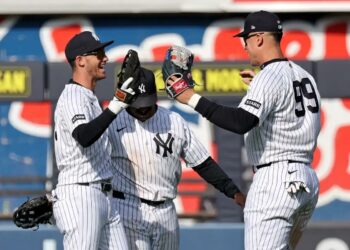
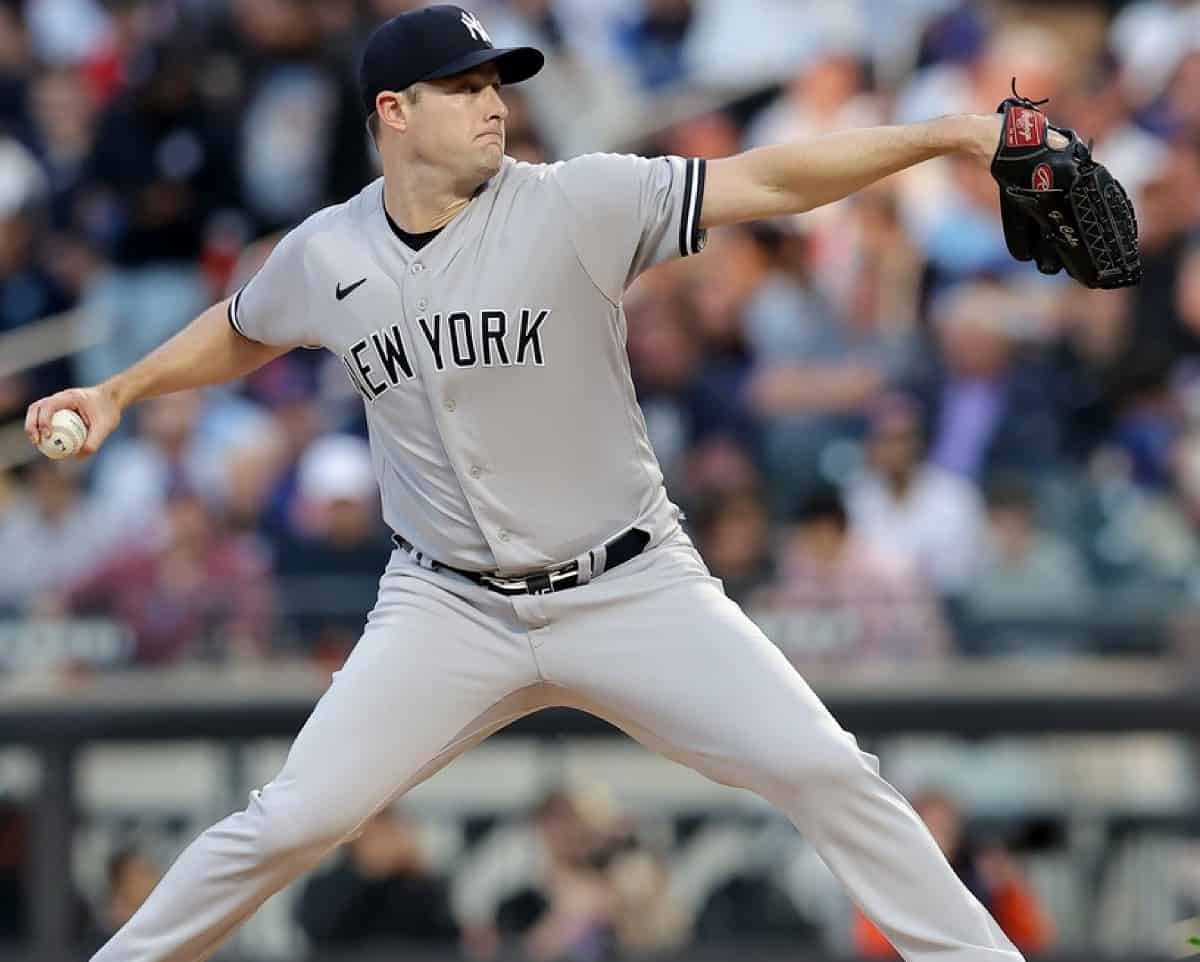
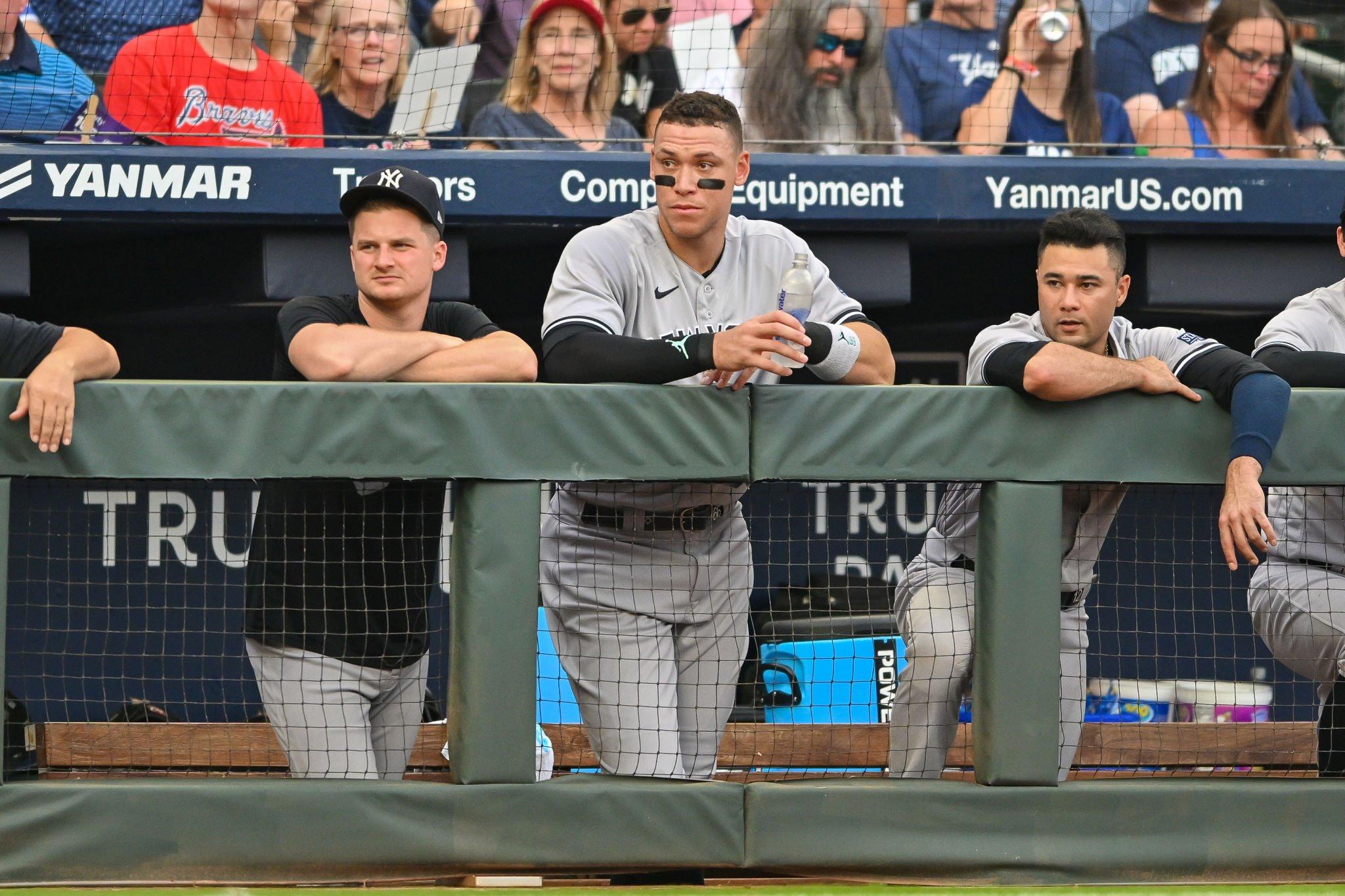
For Yankees fans specifically, the World Baseball Classic carries direct interest. New York has players spread across multiple national rosters. Yankees closer David Bednar represents Team USA. Second baseman Jazz Chisholm Jr. captains Team Great Britain. Infielder Jose Caballero suits up for Panama. Multiple Yankees prospects are also in the mix, as the organization’s international pipeline runs deep through Latin America and the Caribbean.
That international pipeline is precisely what makes the immigration controversy hit closer to home for the franchise and its fanbase. The Yankees, like most MLB clubs, rely heavily on players from countries now caught inside the web of Trump’s travel restrictions.
Nearly 40 countries under partial or full travel bans
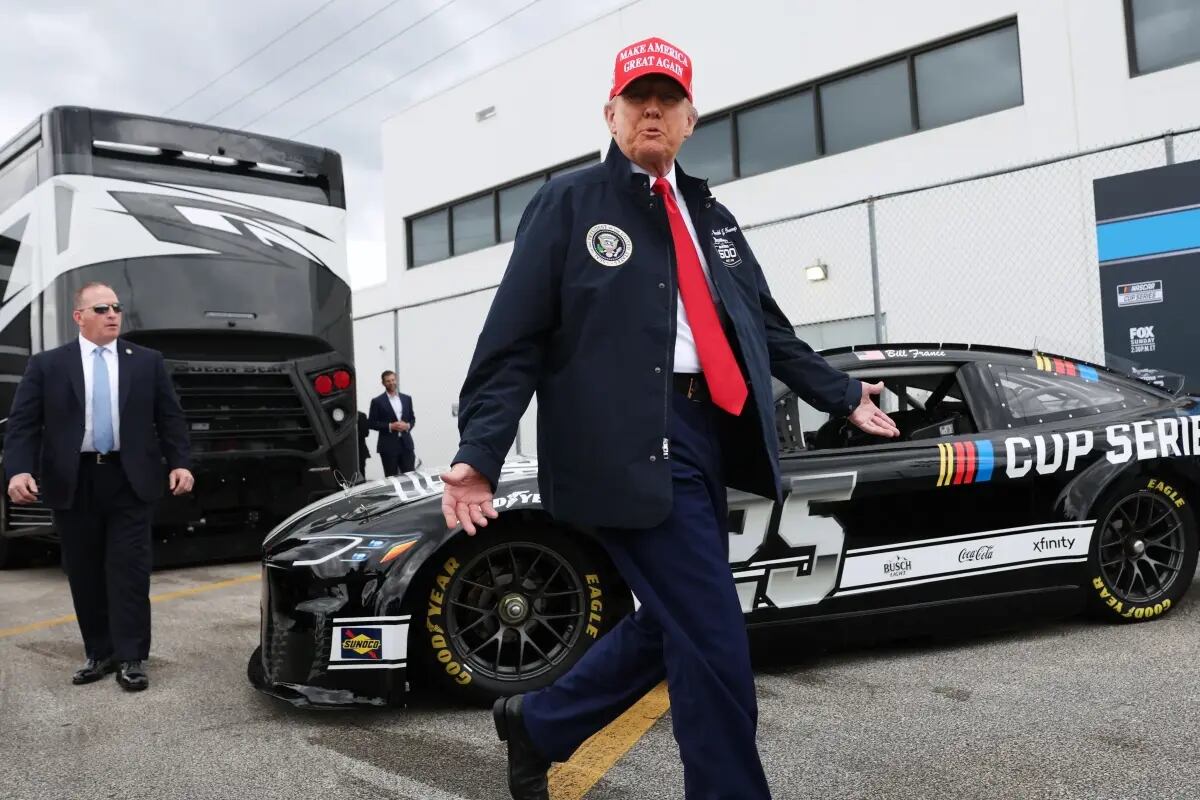
Since taking office for a second term, President Donald Trump has issued executive orders placing travel restrictions on nearly 40 nations, per Sportico’s Justin Birnbaum. Those countries include Venezuela, a nation that consistently produces some of baseball’s top talent.
Ronald Acuna Jr., one of the brightest stars in the game, leads a star-studded Venezuelan roster in Miami’s Pool D. Venezuelan fans who wanted to travel from Caracas to loanDepot Park to watch him play couldnot simply book a flight and get a visa. That option was effectively closed for most citizens of the country.
Venezuela is on a restricted list alongside six other nations: Cuba, Burundi, Laos, Sierra Leone, Togo, and Turkmenistan. These countries face partial or full bans on U.S. entry. For fans, journalists, and corporate delegates traveling from those nations, the World Baseball Classic is largely out of reach.
Cuba visa denial put the World Baseball Classic on notice
The most direct casualty of the immigration crackdown was Cuba’s delegation. On Feb. 25, 2026, the Cuban Baseball and Softball Federation confirmed that the United States denied visas to eight members of its traveling party, per the Associated Press.
Those denied entry included FCBS president Juan Reinaldo Perez Pardo, secretary general Carlos del Pino Munoz, and longtime pitching coach Pedro Luis Lazo Iglesias. Cuba condemned the decision in writing, calling it “discriminatory, politicised, and unethical.”
The Cuban federation noted that the denial came more than a month after the visa requests were submitted. The U.S. government cited Section 243(d) of the Immigration and Nationality Act, pointing to Cuba’s alleged lack of cooperation on deportation matters. Cuba disputes that characterization.
The Cuban federation released a formal statement:
“The United States’ response, after more than a month since these requests were submitted, ignores the reasons on which they are based, the most basic principles of sport, and the commitments assumed by the host countries of such events.”
A State Department spokesperson later confirmed that all Cuban players received their visas and would participate. The denied individuals, the spokesperson said, were not athletes but federation executives and officials. Cuba chose to compete despite the absence of key leadership from its delegation, calling it an operational disadvantage.
Athletes protected, everyone else left scrambling
There is a narrow carve-out in Trump’s immigration policy for sports. A presidential proclamation issued last June established that athletes, coaches, and support staff participating in what the administration defines as “major sporting events” are exempt from the travel bans. In January 2026, the State Department sent a directive to all U.S. embassies listing which events qualify, including the World Baseball Classic.
But that exemption is narrow by design. It does not cover fans, foreign journalists, team executives, or corporate sponsors traveling from restricted nations. For a tournament that markets itself as a global celebration of the sport, that gap is significant.
MLB clubs spend hundreds of thousands of dollars each year navigating the U.S. visa process. The Yankees, like other organizations, rely on immigration lawyers to manage the paperwork for their international rosters. With the Trump administration tightening standards, those processes have become more unpredictable.
The World Cup shadow looming over summer
Maldonado’s concern about chaos is not limited to the World Baseball Classic. The FIFA World Cup begins in the United States, Canada, and Mexico on June 11, 2026. The U.S. government projects that between five million and seven million international visitors will travel to America for the tournament.
As of March 2026, the next available appointment for a business and tourism visa at the U.S. Embassy in Bogota, Colombia, which also processes applicants from Venezuela, is nearly a year away, per Sportico. That processing backlog traces back to the departure of more than 4,000 U.S. foreign service workers through layoffs, retirements, and deferred resignation offers over the past year.
When asked directly about the impact on both the World Baseball Classic and the World Cup, a White House spokesperson did not address the baseball tournament. On the soccer event, the administration issued this statement:
“Thanks to President Trump’s leadership, the FIFA World Cup 2026 will be one of the greatest and most spectacular events in the history of mankind, right here in the United States of America. This event will generate billions of dollars of economic impact and bring hundreds of thousands of jobs to our country.”
The administration did not respond to questions from the Department of Homeland Security or U.S. Citizenship and Immigration Services about the World Baseball Classic specifically.
What this means for MLB and the Yankees
The Yankees organization has one of the deepest Latin American scouting and development programs in baseball. Their international pipeline includes players from the Dominican Republic, Venezuela, Panama, Cuba, and Colombia. Each of those countries has some level of exposure to the current visa environment, whether through direct restrictions or processing slowdowns.
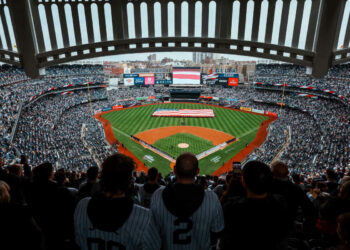
For the 2026 World Baseball Classic, Yankees players on non-restricted national teams are competing without issue. But the broader question is what this environment means for the future of international player development, free agency, and fan access at Yankee Stadium when Latin American players are in town.
The World Baseball Classic visa controversy is the first visible crack. It may not be the last. The question for MLB and its clubs is whether this month’s tournament becomes a warning, or just the beginning.
What do you think? Leave your comment below.