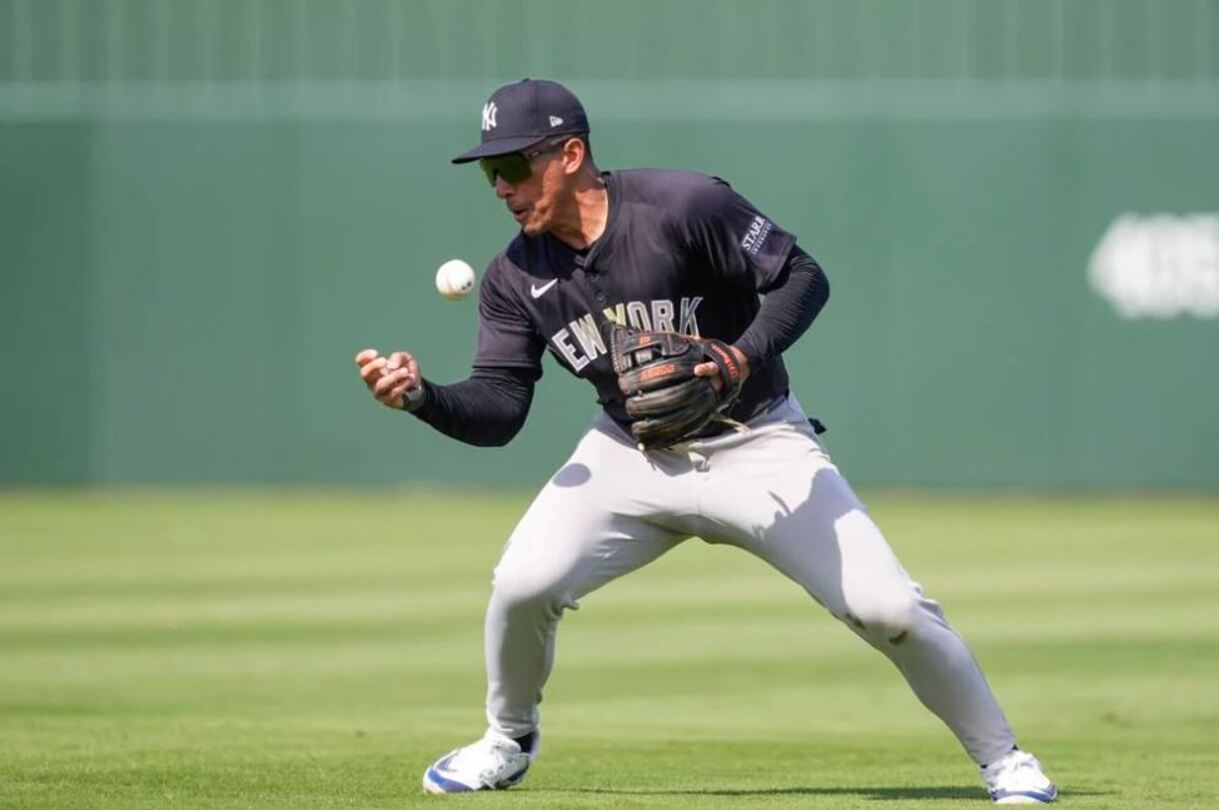
Jahmai Jones was born on Aug. 4, 1997, in Roswell, Georgia. He starred at Wesleyan School, where his speed and athleticism made him one of the most intriguing prep players in the 2015 draft class. The Los Angeles Angels selected him in the second round, 70th overall, viewing him as a middle infielder with upside as a hitter and defender.
Jones entered pro ball as a shortstop and second baseman. Early scouting reports focused on his bat speed, gap power, and baserunning instincts. His development path soon reflected the reality many athletic prospects face. Teams began testing his versatility across positions to increase his value.
Development in the Angels system
Jones spent five seasons in the Angels organization. He climbed steadily through the minors, reaching Triple A by 2019. His best minor league stretch came in 2017 and 2018, when he posted double digit home run totals and showed improved plate discipline.
The Angels began shifting Jones between second base and the outfield during this period. The move was driven by organizational depth and the belief that his athleticism could translate to multiple spots. That positional flexibility later became central to his major league opportunities.
Jones made his major league debut with the Angels on Aug. 31, 2020, during the shortened season. His time in Anaheim was limited, though, as roster competition and injuries slowed his progress.
Orioles reset and continued movement
The Angels traded Jones to the Baltimore Orioles in February 2021. Baltimore saw him as a depth piece who could cover second base and the outfield. Jones spent most of his time with Triple A Norfolk, moving up and down as injuries created openings.
His major league time with the Orioles came in brief stints. He showed flashes of power and speed but struggled to secure consistent at bats. Baltimore designated him for assignment in 2022, continuing a trend that would define much of his career.
Stops with Dodgers and Brewers
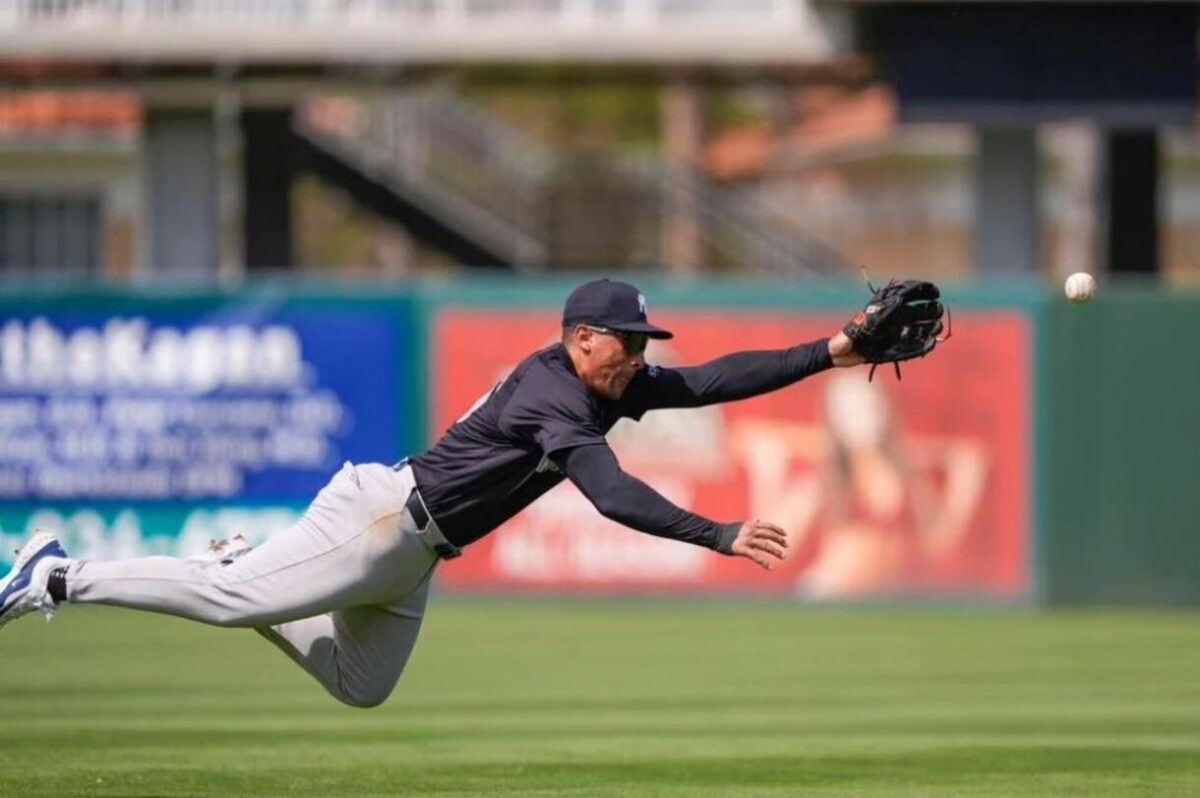
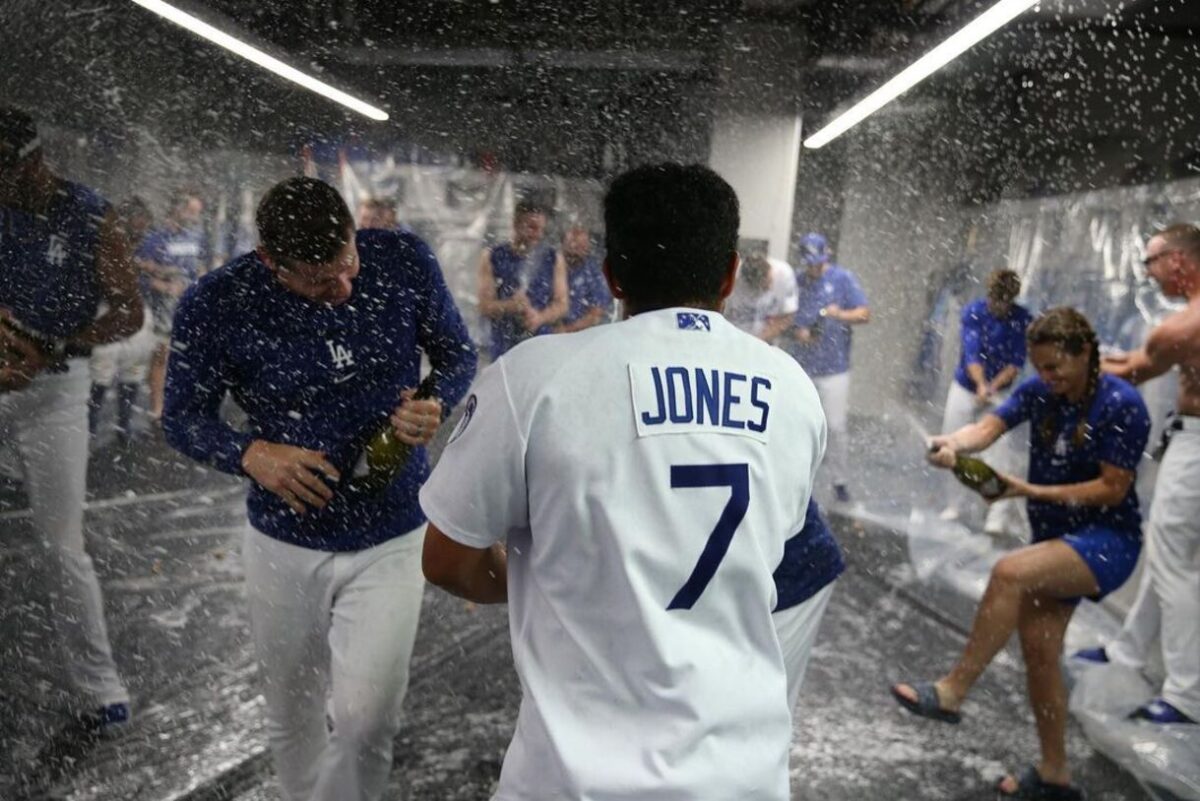
Jones then moved through the Los Angeles Dodgers and Milwaukee Brewers organizations. These stops followed a similar pattern. He provided depth, positional coverage, and a right handed bat but remained on the edge of rosters.
By this point, Jones was firmly labeled a utility player. He had logged innings at second base, left field, right field, and occasionally first base. That versatility kept him employed even as permanent roles remained elusive.
Yankees claim and 2024 season context
The New York Yankees claimed Jones off waivers in February 2024. The move reflected the Yankees’ need for roster flexibility during a season defined by injuries and constant lineup shuffling. Jones joined a Yankees depth chart that emphasized athletic defenders who could move around the diamond.
Manager Aaron Boone has long valued players who can handle multiple roles. Jones fit that profile. He spent time with Triple A Scranton Wilkes Barre and appeared briefly at the major league level.
Jones did not carve out a long stay in the Bronx. The Yankees designated him for assignment in late July 2024 and outrighted him to Triple A in early August. His time in pinstripes was short, but it reflected how the Yankees use waiver claims to manage depth over a long season.
Tigers opportunity and 2025 breakout stretch
Jones signed a minor league deal with the Detroit Tigers in November 2024. That move proved significant. Detroit selected his contract in June 2025, giving him his most extended major league run.
In 2025, Jones produced the strongest offensive numbers of his career. Over 129 at bats, he hit .287 with seven home runs, 23 RBIs, and an OPS above .930. He showed improved pitch selection and did damage against fastballs, particularly from left handed pitching.
His performance stood out compared to his earlier stops. For context, his career average before 2025 sat closer to .220. The jump suggested mechanical and approach adjustments rather than a fluke stretch.
Jones’ career totals and standing entering 2026
Through Jan. 14, 2026, Jones has appeared in parts of six major league seasons. His career line stands at a .243 batting average with eight home runs, 34 RBIs, and a .741 OPS. Those numbers reflect limited opportunities rather than a lack of tools.
Jones enters 2026 as a known quantity across the league. He is viewed as a capable depth piece who can fill gaps during injuries and provide short term offense. For the Yankees and similar contenders, that profile remains useful over the grind of a 162 game season.
What do you think? Leave your comment below.