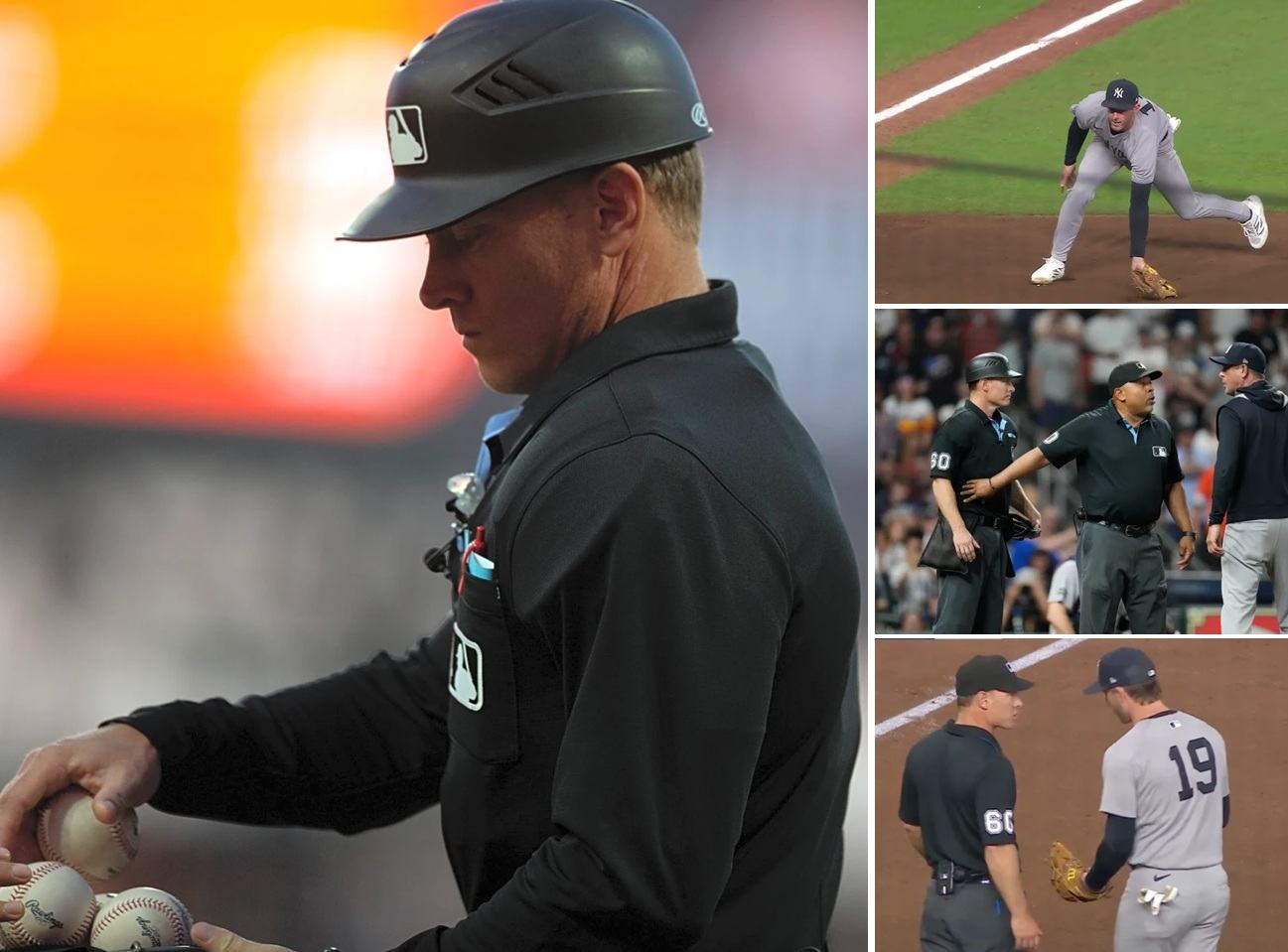
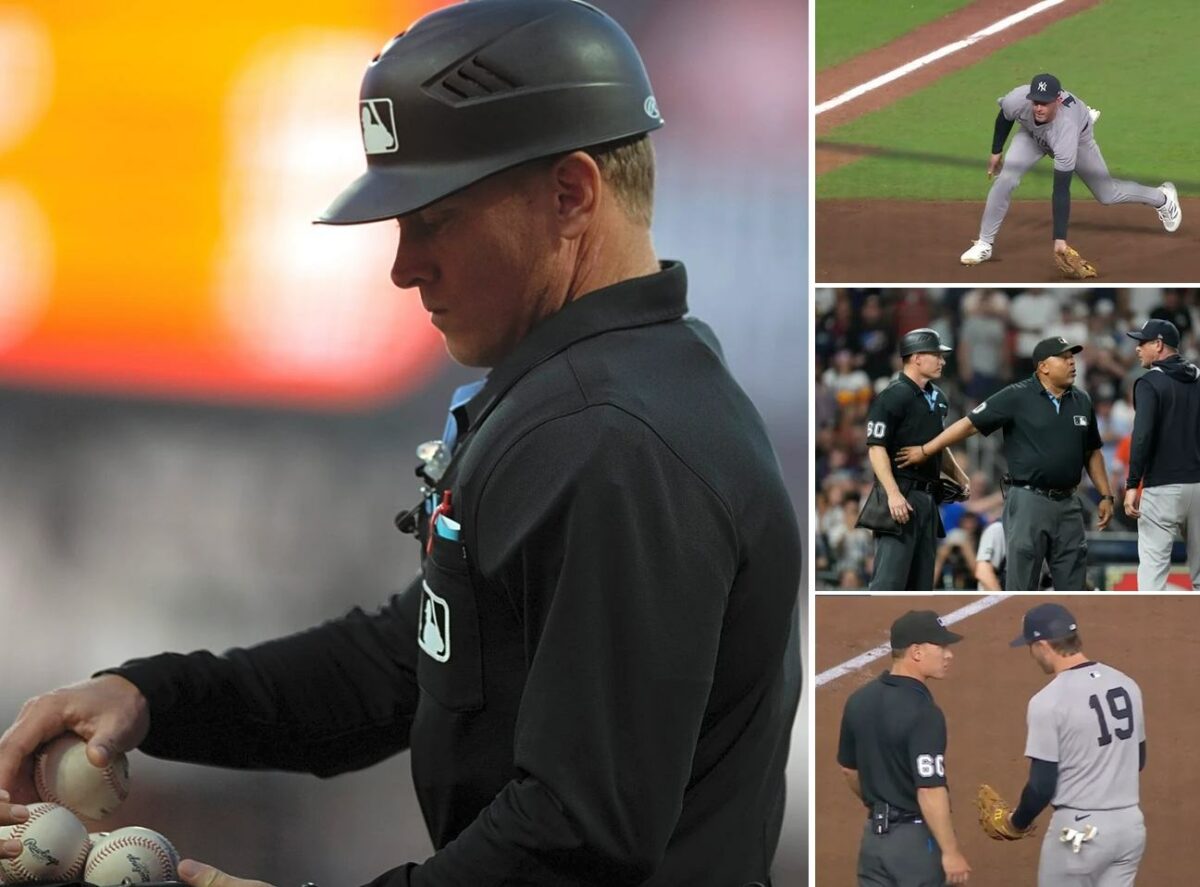
New York — Major League Baseball acknowledged Friday that umpire Brian Walsh made an incorrect ruling against the New York Yankees during Thursday’s series finale in Houston. The admission confirmed that Ryan McMahon’s catch at third base should have been ruled an out.
While the decision offered vindication for manager Aaron Boone, it came too late to alter the Yankees’ playoff push. The controversial calls by Walsh influenced not just one game but an entire series against the Astros.
Walsh’s past social media posts showing him celebrating the Boston Red Sox’s 2013 World Series title only fueled suspicions among Yankees fans. Umpire Scorecards reported that his calls provided Houston with a 1.4 run advantage in Wednesday’s 8-7 win.
Controversial call changes game situation
According to SNY’s Andy Martino, MLB confirmed that McMahon’s grab should have been an out. The moment occurred in the bottom of the sixth inning Thursday with New York ahead 4-1.
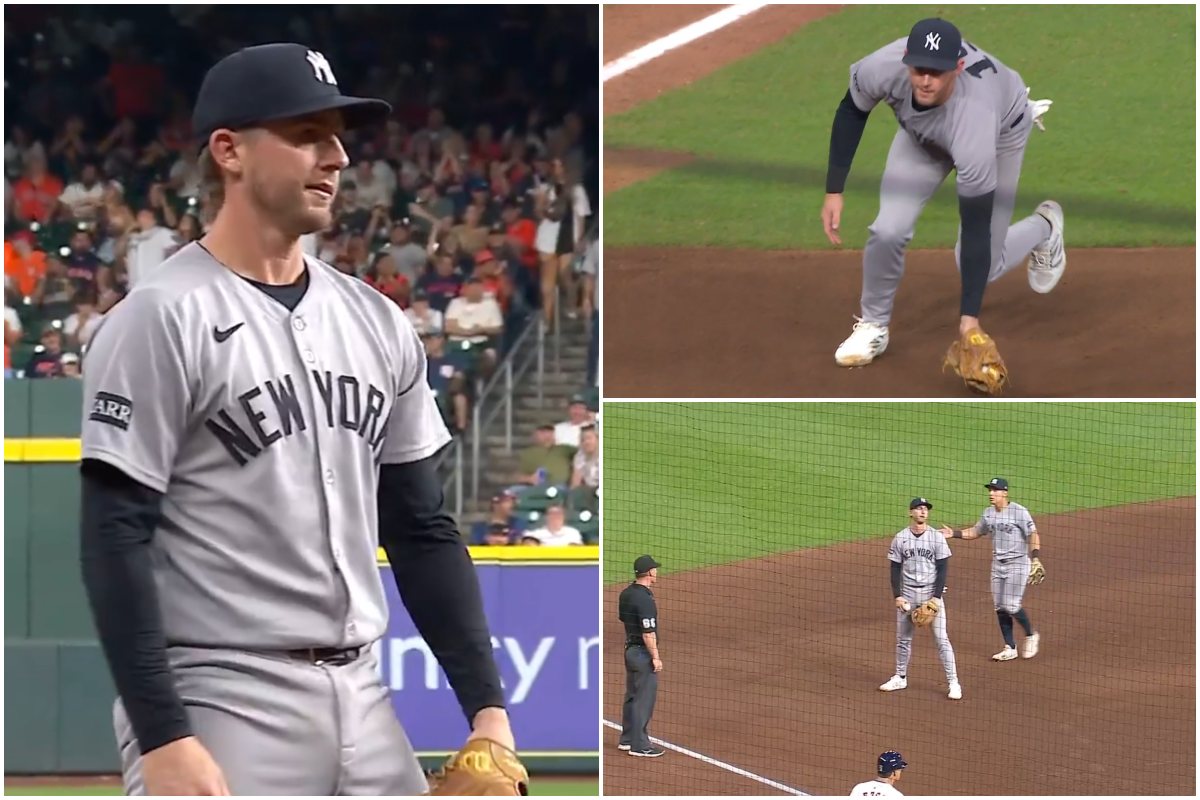
Jose Altuve lined a ball toward third. McMahon charged and secured it just before it touched the dirt. But when he tried to transfer the ball, it slipped. Walsh immediately signaled no catch, even as replays showed McMahon had control.
“It should have been ruled a catch,” Boone said Friday after hearing from the league.
The ruling gave Houston runners on first and second with no outs instead of one out with a man on second. The Astros scored on an error by second baseman Jose Caballero. New York still won 8-4, but the missed call added unnecessary pressure.
Small victory provides cold comfort
MLB’s acknowledgment that Walsh missed the play did little to satisfy the Yankees. It did not undo the damage from his inconsistent calls throughout the series.
Umpire Auditor reported Walsh missed 21 calls Wednesday, with 15 going against New York. His strike zone left Yankees players and coaches frustrated.
“It should have been ruled a catch,” Boone repeated. But the manager’s vindication meant little considering the broader pattern.
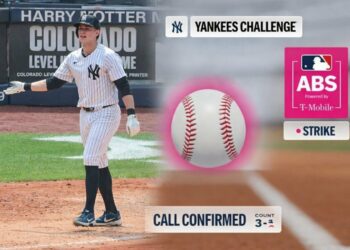
On Wednesday, Walsh ended the game with a borderline strike three call on Jazz Chisholm Jr. Replays showed the pitch missed the zone. That decision sealed Houston’s 8-7 win, leaving the Yankees fuming.
Red Sox connections fuel ongoing suspicions
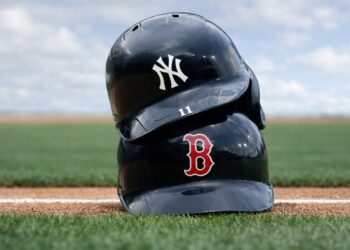
Yankees fans dug into Walsh’s past after the series. Photos surfaced showing him celebrating Boston’s 2013 championship. The connection was troubling given the intensity of the Yankees-Red Sox rivalry.
Supporters pointed to those images as possible evidence of bias. The timing made it worse, with New York chasing a playoff berth and every pitch carrying weight.
Boone tried to downplay intentional wrongdoing but admitted subconscious bias is possible.
“I don’t think they ever do something intentionally,” Boone said. “Now there’s probably a subconscious factor to things that sometimes works in our favor when you’re jockeying and fighting for things, and sometimes they’re probably leaning the other way.”
Independent reviews supported the Yankees’ complaints. Walsh’s strike zone heavily favored Houston in a one-run game.
Pattern of poor performance continues
Walsh’s struggles were not limited to the Yankees series. In July, during a game between Baltimore and Toronto, he called a pitch right down the middle a ball. Broadcasters and fans ripped the call as one of the worst of the year.
On Wednesday, his inconsistent strike zone boiled over. Boone and reliever Devin Williams were ejected after arguing. The Yankees believed Walsh squeezed their pitchers while granting Astros hitters a friendlier zone.
“I think our guys made a lot of really good pitches tonight and didn’t get rewarded for it,” catcher Austin Wells said. “That’s frustrating.”
Williams struggled in the eighth inning, but video showed several of his pitches clipped the zone. Walsh still called them balls, extending Houston’s rally chances.
Yankees win series despite umpiring obstacles
Even with the umpiring drama, New York managed to win two of three from Houston. The Yankees completed a 5-1 road trip, keeping them within striking distance in the American League East.
New York sits second in the division, three games behind Toronto. The Yankees also lead the AL Wild Card race. Their 8-2 stretch over the last 10 games has helped erase the memory of a midseason slump that dropped them out of first place.
Still, the Houston series underscored how fragile playoff hopes can be when officiating becomes part of the storyline.
League acknowledgment highlights accountability questions
MLB rarely admits mistakes. That made Friday’s statement unusual. But admitting Walsh missed McMahon’s catch did not change the outcome or repair the runs New York lost to his strike zone.
The Yankees cannot reclaim the edge they lost Wednesday. Nor can Houston erase the benefit they received.
Fans on social media demanded Walsh be held accountable. Some called for him to be barred from postseason assignments. MLB has disciplined umpires before, such as Fieldin Culbreth’s two-game suspension in 2013 for misapplying a rule.
Broader umpiring concerns persist
The controversy highlighted the ongoing problem of consistency in MLB officiating. Walsh’s visible Red Sox ties and his missed calls combined to fuel suspicion about fairness.
MLB insists its umpires remain neutral. But images of Walsh celebrating Boston’s title and his documented errors against New York told a different story to fans.
As the regular season nears its end, the Yankees and other contenders can ill afford mistakes by those charged with enforcing the rules.
The league’s support provided validation but little else. New York still must play through questionable officiating while chasing October.
MLB remains silent on potential disciplinary action
Despite criticism, MLB has not announced discipline for Walsh. The league’s acknowledgment of error offered rare public accountability but stopped short of further action.
Analysts and former players have urged a full review of his performance. Sportswriters demanded MLB examine every disputed call from the series, noting the impact on run expectancy.
“If MLB wants credibility heading into September, it should open a formal review into Walsh’s performance,” one analyst wrote.
But MLB has given no indication of doing so. The league generally handles umpire evaluations privately. Public suspensions are rare, though not without precedent.
For now, Walsh continues working games despite mounting scrutiny. Yankees players like Wells believe umpires should review their own calls the way players study film. His comment captured the broader concern about accountability.
The league’s admission of error, without discipline, leaves New York with validation but no remedy. For a team chasing the playoffs, that support is far from enough.
What do you think? Leave your comment below.