In a watershed moment that signals the end of baseball’s most recognized grooming policy, the New York Yankees have officially stepped into the modern era. During a groundbreaking press conference on Friday, Hal Steinbrenner and General Manager Brian Cashman announced the relaxation of their nearly half-century-old mandate requiring players to maintain clean-shaven faces. While the organization will continue to prohibit hair below the collar, the allowance for “well-groomed” facial hair marks a significant departure from one of baseball’s most enduring traditions. This pivotal shift has sparked intense debate about the balance between heritage and progress in America’s pastime.
Johnny Damon’s candid reflections
sportscasting
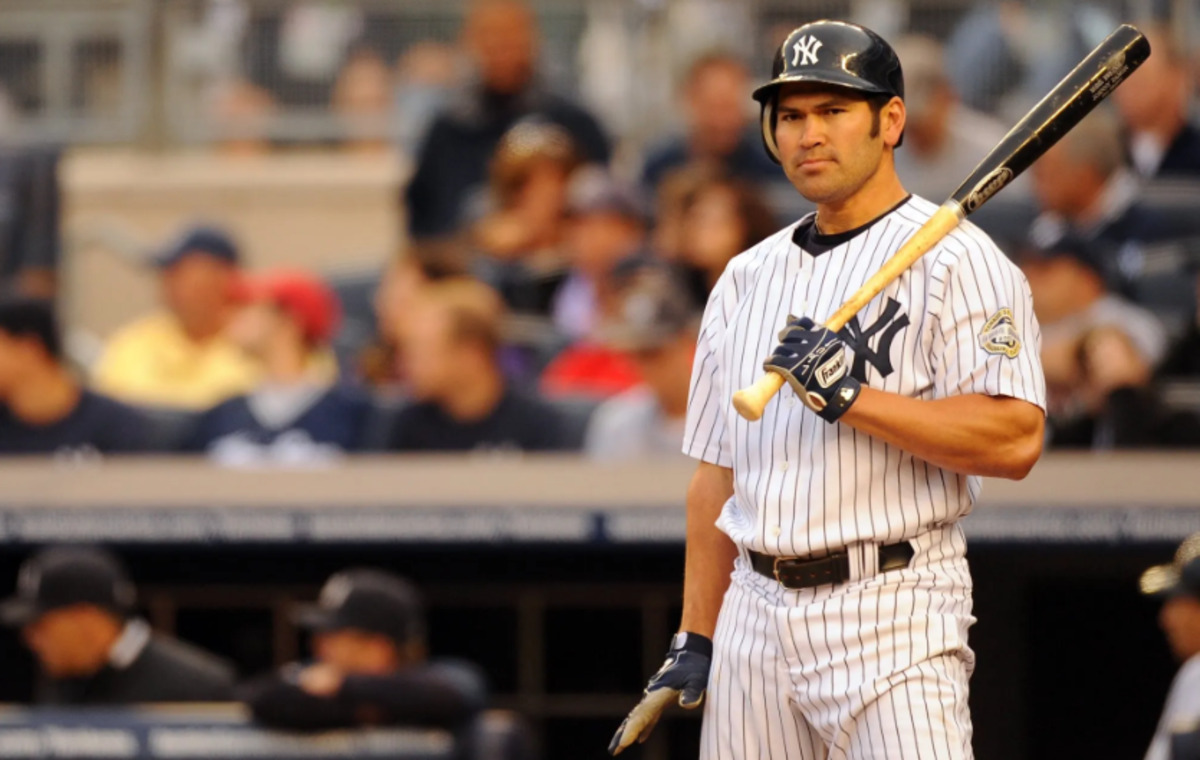
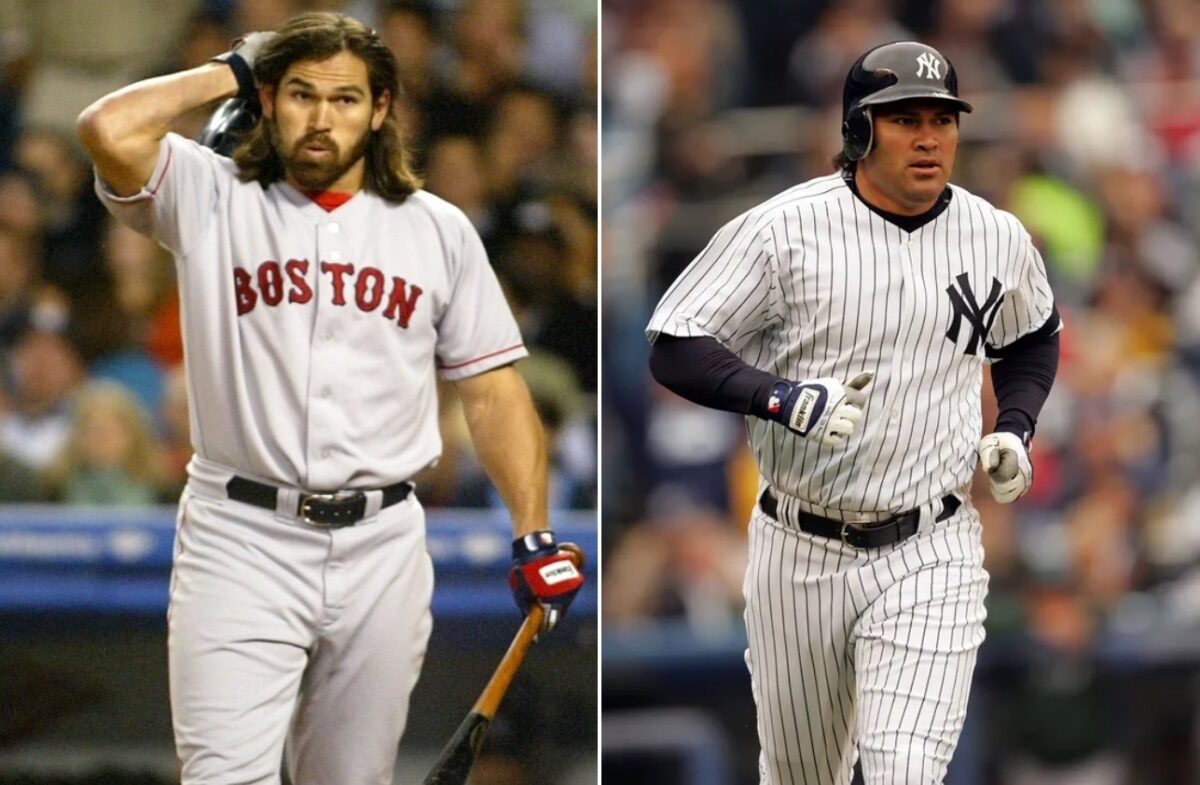
The policy change has drawn passionate responses from Yankees alumni, none more notable than former outfielder Johnny Damon. Speaking via Instagram while aboard a Virgin cruise, Damon offered a compelling perspective as someone who famously sacrificed his signature look for the Yankees uniform.
“I just heard that the Yankees are not requiring people to cut the hair, trim their beards— you could always have your [mustache]—but I think we need to keep it how it was with respect to Yogi Berra, Joe DiMaggio, Mickey Mantle, Derek Jeter and Mariano [Rivera],” Damon declared.
johnnydamon@instagram
His connection to the tradition runs deep, as he continued, “I cut these lovely locks off many years ago because George Steinbrenner is such a great human being, such a great boss, that I wasn’t even going to question it. Everyone, let’s keep the policies the same, listen to your bosses, always bring your A-game, and let’s go.”
Damon’s comments, which included a supportive nod to Jorge Posada’s Hall of Fame worthiness, exemplify the emotional investment many former players maintain in the Yankees’ traditional image.
Hal Steinbrenner’s rationale: Winning above all
The updated grooming guidelines represent a carefully calibrated response to changing times. While maintaining certain traditional elements—particularly the ban on hair below the collar—the new policy acknowledges evolving perspectives on personal expression in professional sports. This shift arrives at a crucial moment in 2025, as teams across all professional sports leagues navigate the intersection of tradition and contemporary culture.
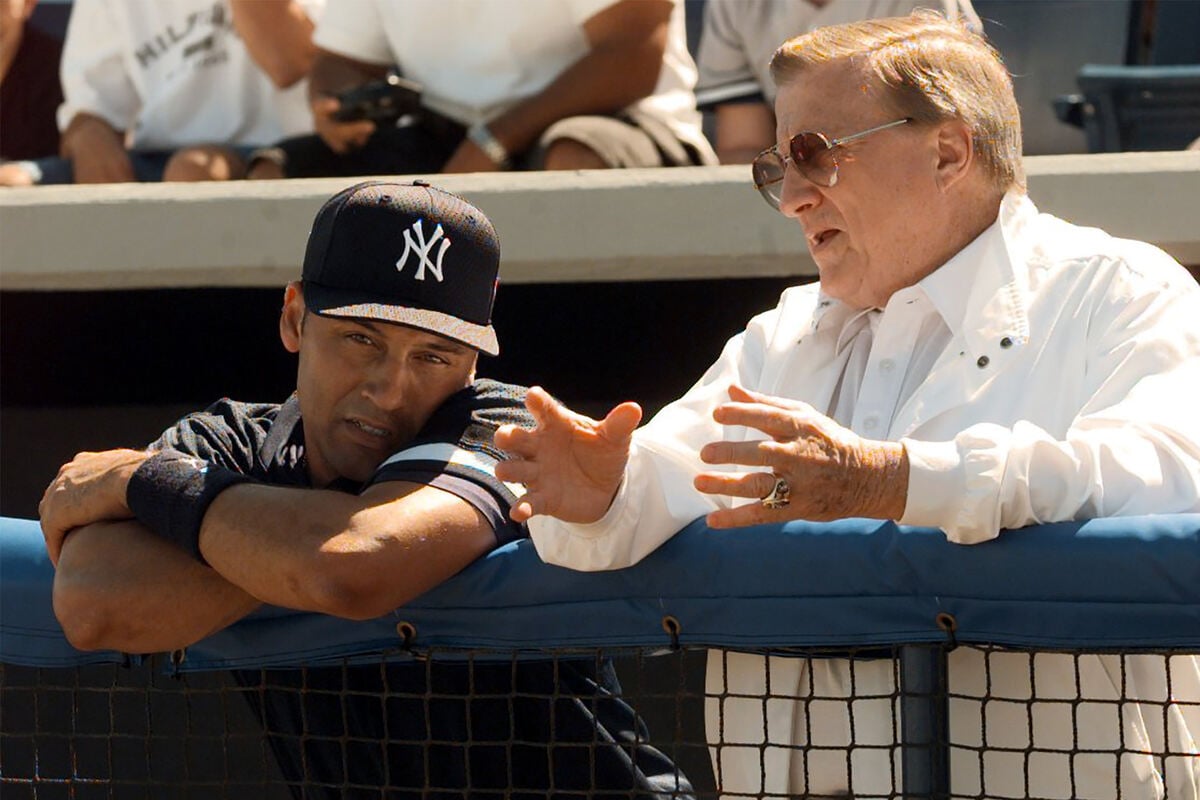
Throughout the press conference, Hal Steinbrenner framed the decision within the context of his father’s legacy. “Winning was the most important thing to my father,” he emphasized, suggesting that even George Steinbrenner might have supported this evolution if convinced it could enhance the team’s competitive edge. “If somebody came and told him that they were very sure this could affect us getting the players we want to get… If something like this would detract from that or lessen our chances, I don’t know, I think he might be a little more apt to do the change that I did than people think because it was about winning.”
A tradition under scrutiny
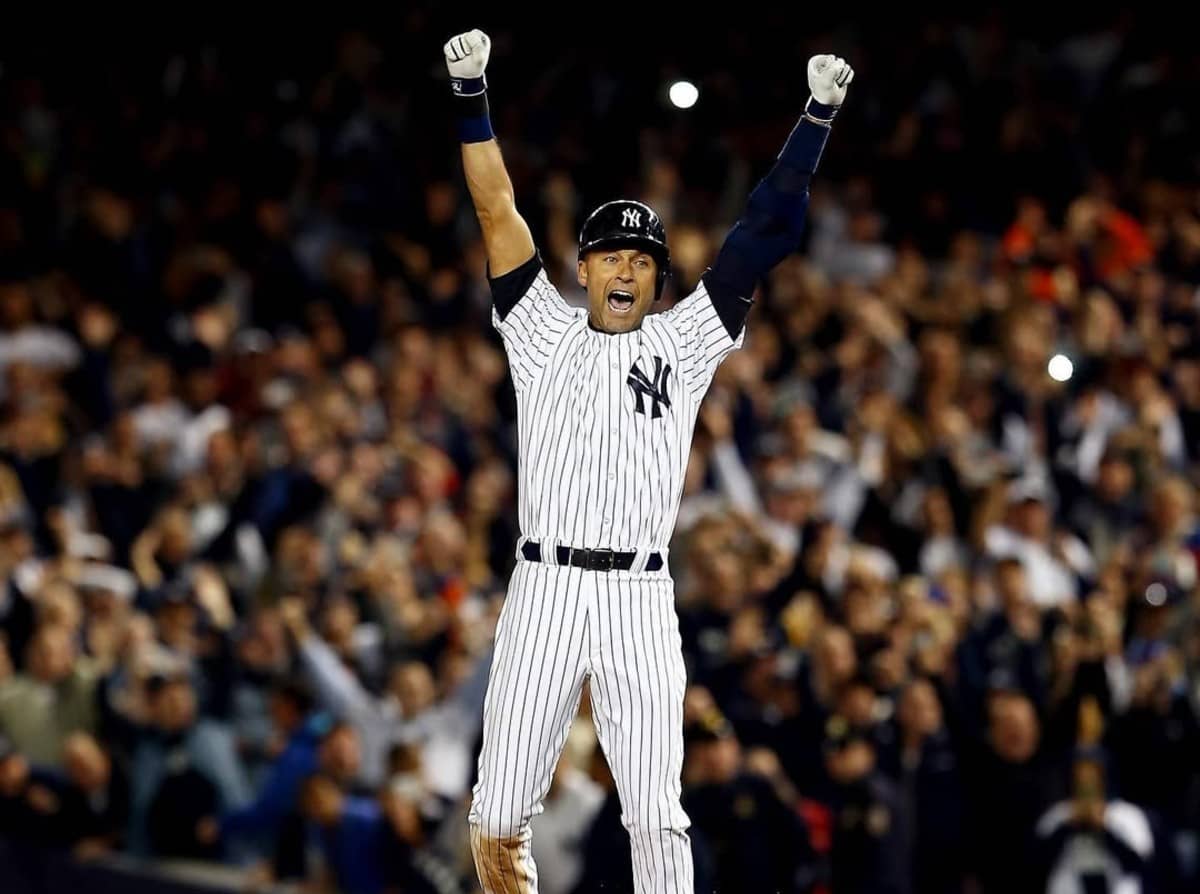
For generations, the Yankees’ immaculate appearance policy stood as an unwavering symbol of professionalism and discipline. This mandate, extending far beyond mere aesthetics, embodied the franchise’s commitment to excellence and team-first mentality. The clean-shaven faces of legends like Yogi Berra, Joe DiMaggio, Mickey Mantle, Derek Jeter, and Mariano Rivera became as synonymous with Yankees baseball as Monument Park and the iconic pinstripes.
Yet, as baseball enters a new era where player individuality and personal branding increasingly influence the sport’s culture, even the most steadfast traditions face reassessment. The modification of this long-standing policy reflects broader changes in professional sports, where individual expression and organizational tradition seek a delicate balance.
Tradition vs. modernity: Yankees’ legacy
N.Y. Post: Charles Wenzelberg
The Yankees‘ identity has always extended beyond baseball statistics and championship banners. Their strict grooming standards helped create an aura of professionalism that distinguished the franchise. The policy change has prompted intense discussions about preserving organizational identity while adapting to contemporary expectations.
As baseball evolves in 2025, the debate between tradition and innovation takes on new significance. This policy adjustment reflects broader questions facing many historic institutions: how to honor heritage while embracing necessary change.
Voices from the ranks: Mixed reactions
The response to this historic change varies dramatically across the baseball community. While some veterans view it as the end of an essential Yankees tradition, younger players and prospects welcome the flexibility for self-expression. This generational divide mirrors larger conversations about baseball’s future and its ability to attract new talent while maintaining its rich heritage.
Inside the clubhouse, opinions span the spectrum from traditionalists who cherish the old standards to modernists who see this as a necessary evolution. The diversity of perspectives highlights the complex relationship between personal identity and team tradition in modern sports.
The Broader Implications for MLB and Team Branding
The Yankees’ decision could catalyze similar changes across Major League Baseball. As the sport’s most prestigious franchise adapts its policies, other teams may reassess their own traditions and practices. The balance between maintaining historical identity and embracing contemporary culture presents challenges and opportunities for every organization in professional sports.
This shift also reflects broader trends in sports management, where traditional policies face scrutiny against modern expectations. The Yankees’ approach to this change could serve as a blueprint for other organizations navigating similar transitions.
NYY
The modification of the Yankees’ grooming policy transcends simple questions of appearance. It represents a fundamental shift in how even the most traditional institutions adapt to changing times. The organization’s attempt to maintain certain standards while allowing for greater personal expression exemplifies the challenges facing many historic institutions in 2025.
For players, this change offers new opportunities for self-expression while carrying the responsibility of representing baseball’s most storied franchise. The challenge lies in honoring the Yankees’ legacy of excellence while embracing contemporary values.
The future of Yankee tradition in 2025
As baseball progresses through 2025, the impact of this policy change will become increasingly apparent. The Yankees’ ability to maintain their distinctive identity while accommodating modern sensibilities will likely influence how other organizations approach similar challenges.
The decision raises fundamental questions about tradition’s role in contemporary sports. Can historic franchises evolve without sacrificing their essential character? How do organizations balance competitiveness with cultural heritage?
The Yankees’ grooming policy modification represents more than a simple rule change—it symbolizes baseball’s ongoing evolution. While some view it as the end of an era, others see it as a necessary adaptation to contemporary realities. The passionate debate surrounding this change underscores the delicate balance between preserving tradition and embracing progress.
As the 2025 season unfolds, the Yankees’ experiment in modernization will be closely watched throughout baseball. Their success or failure in maintaining their distinctive identity while adapting to modern expectations could influence how other historic institutions approach similar challenges in the future.