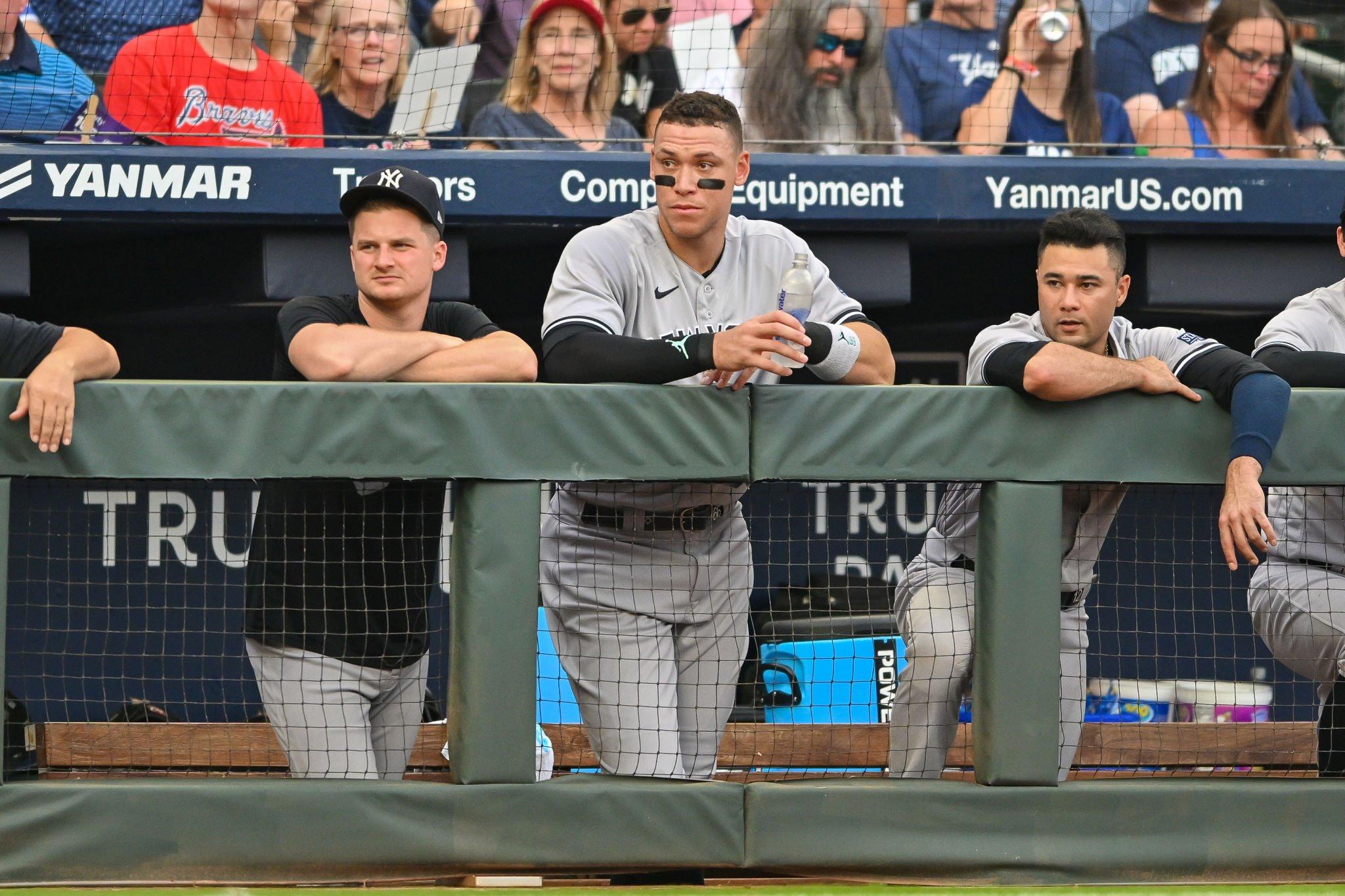
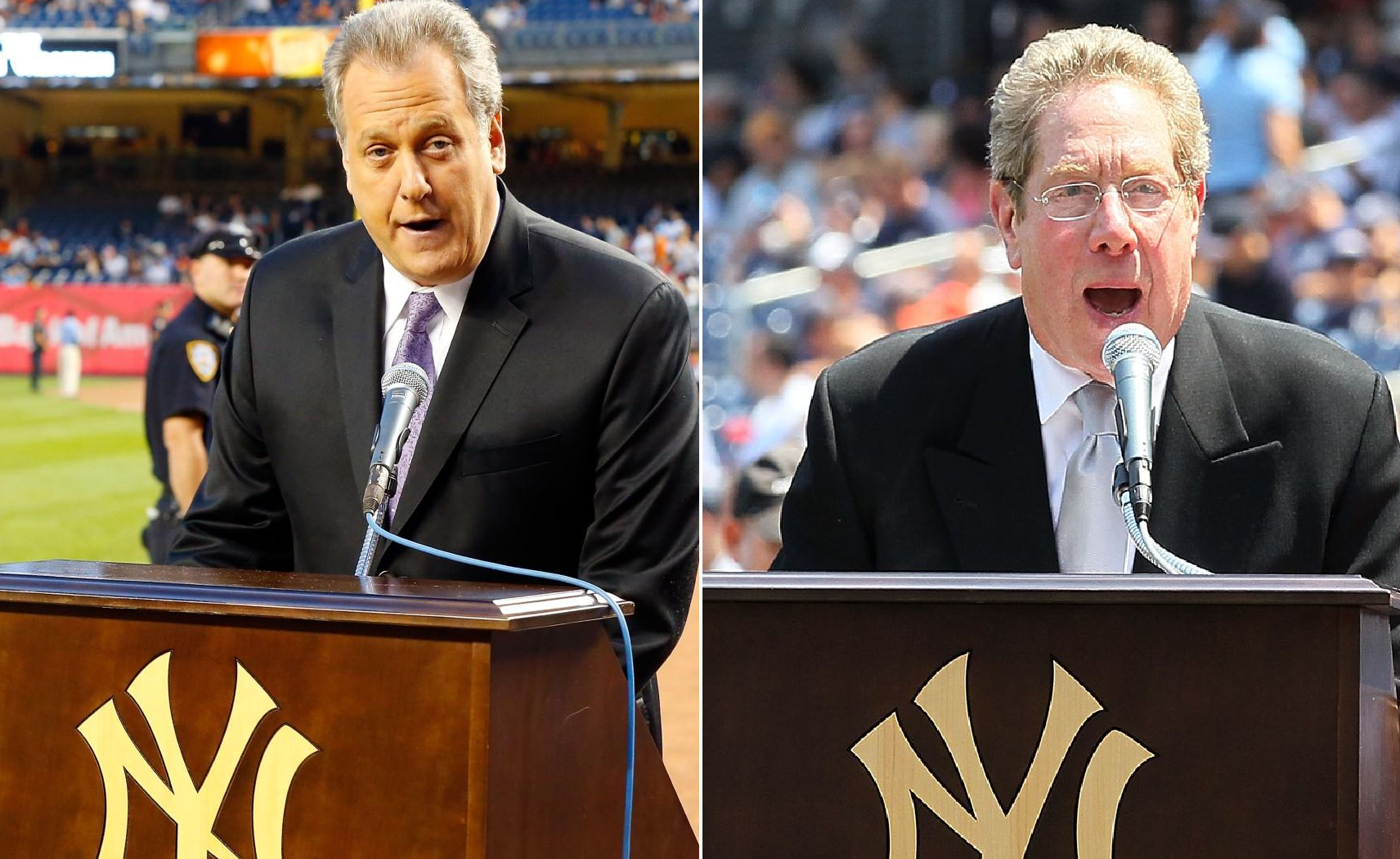
NEW YORK — A telling moment unfolded at Yankee Stadium on Saturday when Aaron Boone’s introduction was notably absent from the Yankees’ 77th Old-Timers’ Day ceremonies, underscoring the mounting pressure surrounding the struggling manager’s tenure.
While former players received their customary ovations during the annual celebration, Boone remained in the background, attending to team business rather than participating in the traditional festivities that typically honor past and present Yankees personnel.
The circumstances surrounding Boone’s non-participation highlighted the awkward position the eighth-year manager finds himself in as the Yankees continue their alarming descent from early-season contenders to third-place strugglers in the American League East.
Yankees officials explain manager’s absence from festivities

Team representatives attributed Boone’s absence from the ceremonial introductions to scheduling conflicts with mandatory pitching staff meetings. The explanation came after the Yankees’ narrow 5-4 victory over Houston, a game that epitomized the team’s recent struggles with execution and fundamentals.
The decision to prioritize operational duties over ceremonial appearances reflects the urgency surrounding the Yankees’ current predicament. With the team’s playoff positioning increasingly precarious, every meeting and strategic session carries heightened importance.
However, the visual of other Yankees alumni receiving recognition while the current field leader remained conspicuously absent created an uncomfortable optic for an organization already facing intense scrutiny.
Yankees legends express concerns about current direction
Several franchise legends who participated in Saturday’s Old-Timers’ Day didn’t mince words about their concerns regarding the team’s trajectory. The event, which commemorated the 25th anniversary of the 2000 World Series championship squad, provided a stark contrast between past glory and present struggles.
Willie Randolph, a cornerstone of previous Yankees championship teams, articulated what many observers have noticed about the current club’s lack of intimidation factor. His assessment centered on the need to restore the psychological advantage that once made Yankee Stadium a daunting venue for visiting teams.
Jorge Posada, the Hall of Fame catcher from multiple championship teams, suggested the current roster needs to embrace a more aggressive mindset. His comments reflected broader concerns about the team’s approach during critical moments throughout their extended rough patch.
The timing of these critiques, delivered during a celebration of championship excellence, amplified their significance and provided additional context for the team’s current malaise.
Joe Torre offers perspective on Boone’s challenges
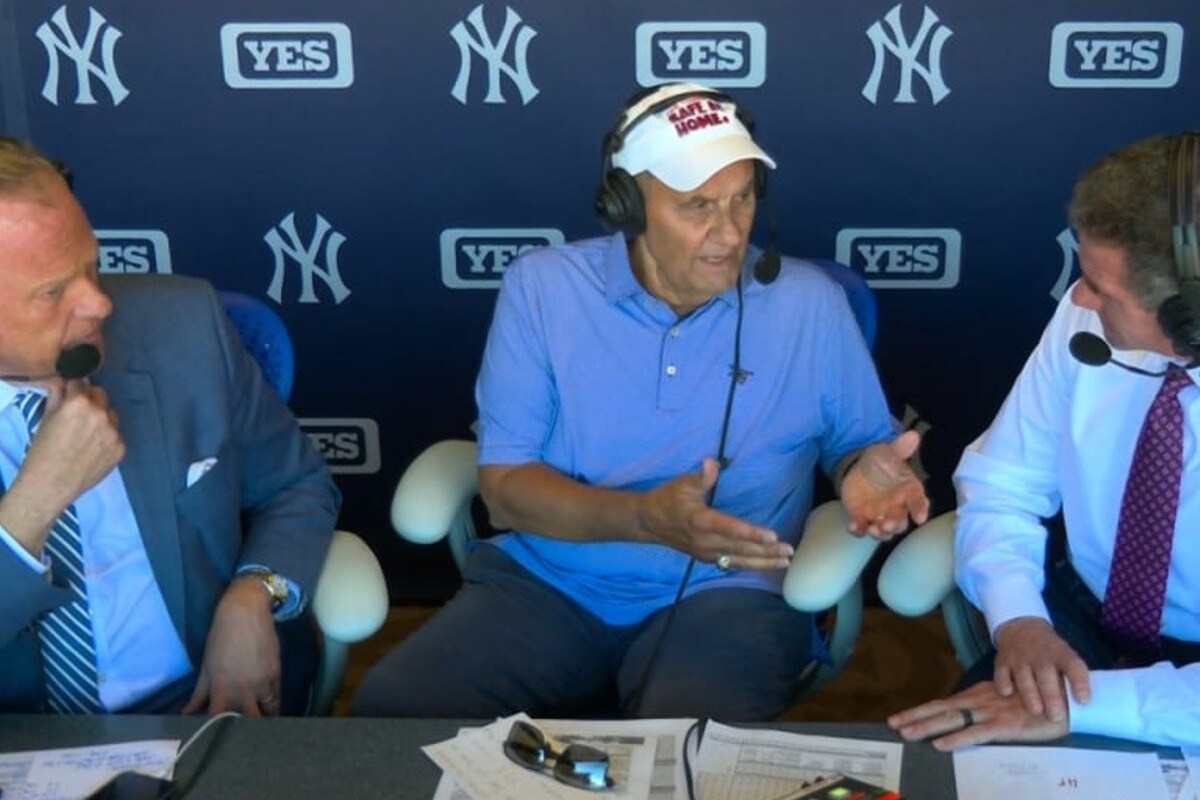
Joe Torre, who guided the 2000 championship team being honored, provided a more empathetic viewpoint regarding Boone’s current situation. The Hall of Fame manager drew from his own experiences navigating difficult periods in the Yankees’ demanding environment.
Torre’s perspective carried particular weight given his successful track record in similar circumstances. His championship teams often overcame early-season adversity through mid-summer adjustments and late-season surges.
The veteran manager emphasized the unique pressures associated with leading the Yankees, noting that even experienced baseball professionals can struggle with the intensity of expectations in the Bronx.
Boone acknowledged the ongoing communication with his predecessor, revealing regular contact as he attempts to navigate the team through its current difficulties. This relationship has provided valuable guidance during one of the most challenging periods of his managerial career.
Boone’s hot seat grows hotter amid Yankees collapse
The Yankees’ struggles have intensified calls for Boone’s dismissal. Since June 13, the Yankees are 18-27, the fifth-worst record in MLB. The team has dropped from first place to third in the AL East, falling behind both Toronto and Boston.
The pressure is mounting. Four straight losses have left the New York Yankees gasping for air at 60-53, while Aaron Boone watches his job security evaporate with each defeat.
The New York Yankees were one of the best teams in baseball during the first half of the season, but they’ve seemed to fall off a cliff over the last few weeks.
Recent defensive miscues and baserunning blunders have only amplified the scrutiny. A handful of jaw-dropping gaffes over the past week — Jazz Chisholm Jr. getting doubled off first for no reason, Austin Wells forgetting how many outs there were, all the routine grounders booted by Anthony Volpe — have Yankees fans incensed.
The numbers underlying the Yankees’ slide paint a sobering picture of organizational decline. Since mid-June, the team has compiled one of baseball’s worst records, transforming from division leaders into wild-card hopefuls fighting for postseason survival.
This collapse represents the latest in a series of mid-season swoons that have characterized Boone’s tenure. The pattern of strong starts followed by significant struggles has become a troubling trademark of recent Yankees campaigns.
Defensive miscues have particularly plagued the team, with fundamental errors undermining otherwise competitive performances. The breakdown in basic baseball execution has frustrated fans and created additional pressure on the coaching staff.
Offensive production in crucial situations has also declined dramatically, with the team failing to capitalize on scoring opportunities during critical moments of recent games.
Historical context reveals patterns in Yankees’ managerial approach
The Yankees‘ approach to managerial changes has evolved significantly over recent decades. The organization has generally favored stability over reactive decisions, particularly during regular season play.
Boone’s tenure includes notable achievements, including multiple playoff appearances and last season’s World Series run. This track record provides some insulation against current criticism while establishing expectations for continued success.
Previous managerial transitions have typically occurred during offseason periods, allowing for comprehensive organizational evaluation rather than impulsive mid-campaign decisions.
The current situation mirrors historical challenges faced by other Yankees managers, with intense media scrutiny and fan expectations creating unique pressures.
Team dynamics and player accountability amid management criticism
Individual player performances have contributed significantly to the team’s struggles, extending responsibility beyond managerial decisions. Key players have underperformed expectations while dealing with various injuries and personal challenges.
Defensive fundamentals have deteriorated across multiple positions, suggesting systemic issues that transcend individual coaching decisions. The breakdown in basic execution has become a recurring theme throughout the season’s disappointing stretches.
Veteran leadership within the clubhouse has attempted to address these issues, but organizational problems often require comprehensive solutions rather than isolated adjustments.
The team’s talent level remains substantial despite current struggles, creating optimism for potential turnarounds while highlighting the gap between expectation and performance.
Playoff implications intensify pressure on organizational decisions
The Yankees’ current standing in playoff contention adds urgency to all organizational decisions. Their position as wild-card contenders rather than division leaders represents a significant departure from traditional expectations.
Competing teams have gained ground during the Yankees’ struggles, creating additional pressure to arrest the decline before postseason opportunities disappear entirely.
The remaining schedule presents both opportunities and challenges for a team attempting to salvage championship aspirations from a season that began with significantly higher expectations.
Recent performance trends suggest the need for immediate improvements rather than long-term adjustments, placing additional pressure on current leadership to produce results.
Between the lines
The symbolic nature of Saturday’s Old-Timers’ Day events captured broader themes surrounding the franchise’s current state. While celebrating past achievements, the ceremonies also highlighted the gap between historical excellence and present struggles.
Boone’s absence from traditional festivities, whether by choice or circumstance, underscored the complex dynamics currently affecting the organization. The juxtaposition of celebrating championship teams while managing contemporary challenges created an awkward but revealing moment.
The path forward requires addressing both immediate performance issues and longer-term organizational questions about leadership and direction. Success in baseball’s demanding environment often hinges on the ability to balance short-term pressures with sustainable approaches.
As the season progresses toward its crucial final months, the Yankees face decisions that will influence both immediate playoff hopes and future organizational structure. The outcome of these challenges will ultimately determine whether current leadership can restore the franchise to its championship standards.
What do you think? Leave your comment below.