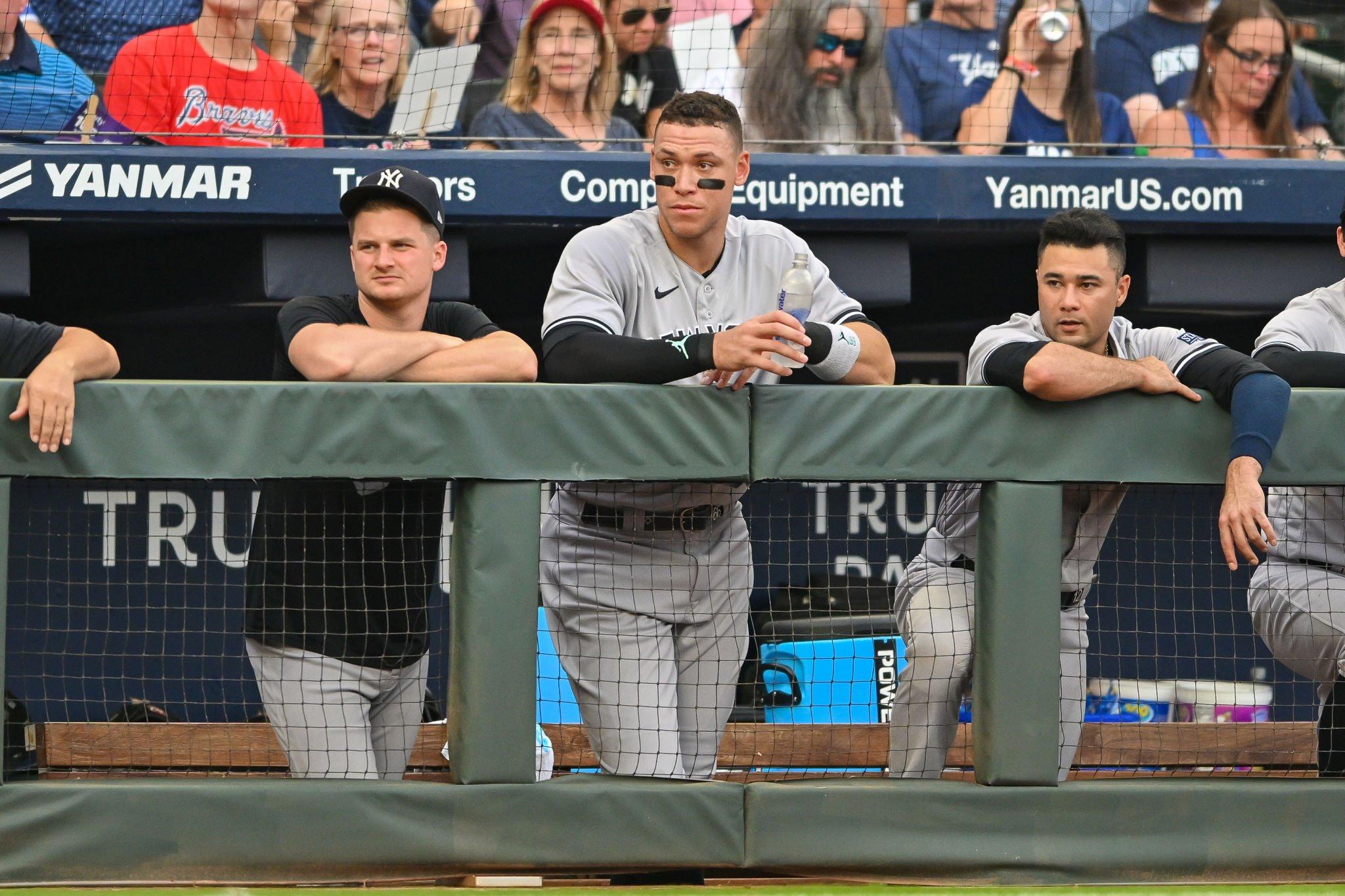
The New York Yankees have demonstrated their commitment to international talent development with a notable $1.65 million investment in Dominican shortstop prospect Stiven Romans. This strategic move, while significant in its own right, has generated unexpected discussions about the organization’s pursuit of Japanese pitching sensation Roki Sasaki.
Reports created confusion over the Yankees’ international bonus pool money, as claims and counter-claims emerged over the use of funds that could have been used to sign Sasaki. Let’s find out the truth behind the funds.
Breaking ground with Stiven Romans: An astute investment

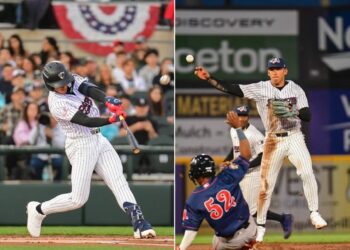
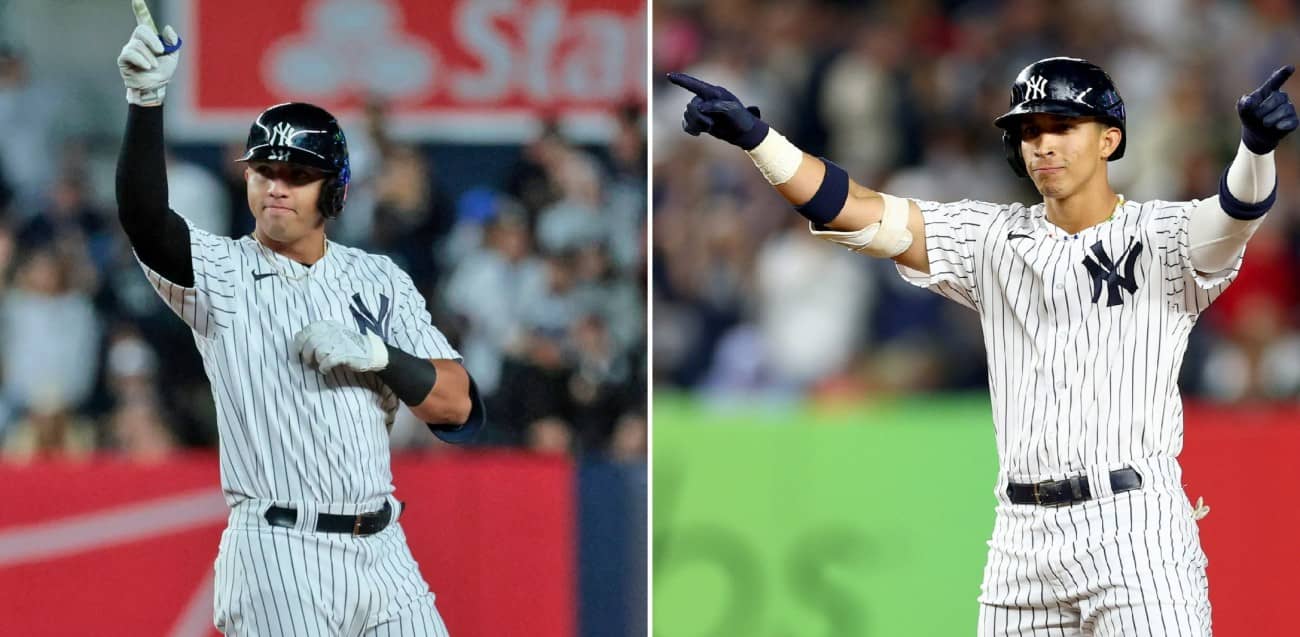
In a move that showcases their scouting acumen, the Yankees have secured the services of 17-year-old shortstop Stiven Romans. Despite flying under the radar of MLB’s Top 50 international prospects rankings, Romans caught the organization’s discerning eye, leading to a substantial $1.65 million commitment. This investment was made possible through a combination of the Yankees’ international signing pool resources and additional funds acquired through strategic trading, notably the Carlos Narvaez deal with the Boston Red Sox.
Romans represent the type of hidden talent that often proves invaluable in baseball’s developmental landscape. While he may have escaped broader industry attention, his combination of hitting ability and defensive potential aligns perfectly with the Yankees’ proven track record of identifying and nurturing international talent.
Clarifying the Sasaki war chest: Separating fact from claim
Recent speculation suggesting that the Romans signing might indicate a reduced interest in Roki Sasaki has been conclusively addressed. The 22-year-old Japanese phenom remains a prime target for the Yankees and other MLB organizations during the 2025 international signing period. These parallel pursuits demonstrate the Yankees’ capacity to simultaneously invest in emerging talent while positioning themselves for high-profile acquisitions.
Sasaki’s decision to target the 2025 international signing period reflects sophisticated strategic planning. This timing allows interested teams to maximize their international bonus pool resources through trades, potentially increasing their signing capacity by up to 60%. The Yankees’ base pool of $6.26 million could theoretically expand to exceed $10 million through strategic transactions.
Joel Wolfe of the Wasserman Group, Sasaki’s representative, has confirmed that this approach aligns with their goal of optimizing the pitcher’s market value while ensuring the best possible fit for his MLB transition.
Strategic timeline: Managing funds and opportunities
The Yankees face a carefully choreographed sequence of deadlines and opportunities. Their 2024 international bonus pool remains active until December 15, 2024, followed by the opening of the 2025 period on January 15, 2025. This transition period is crucial for finalizing strategies regarding Sasaki’s potential acquisition.
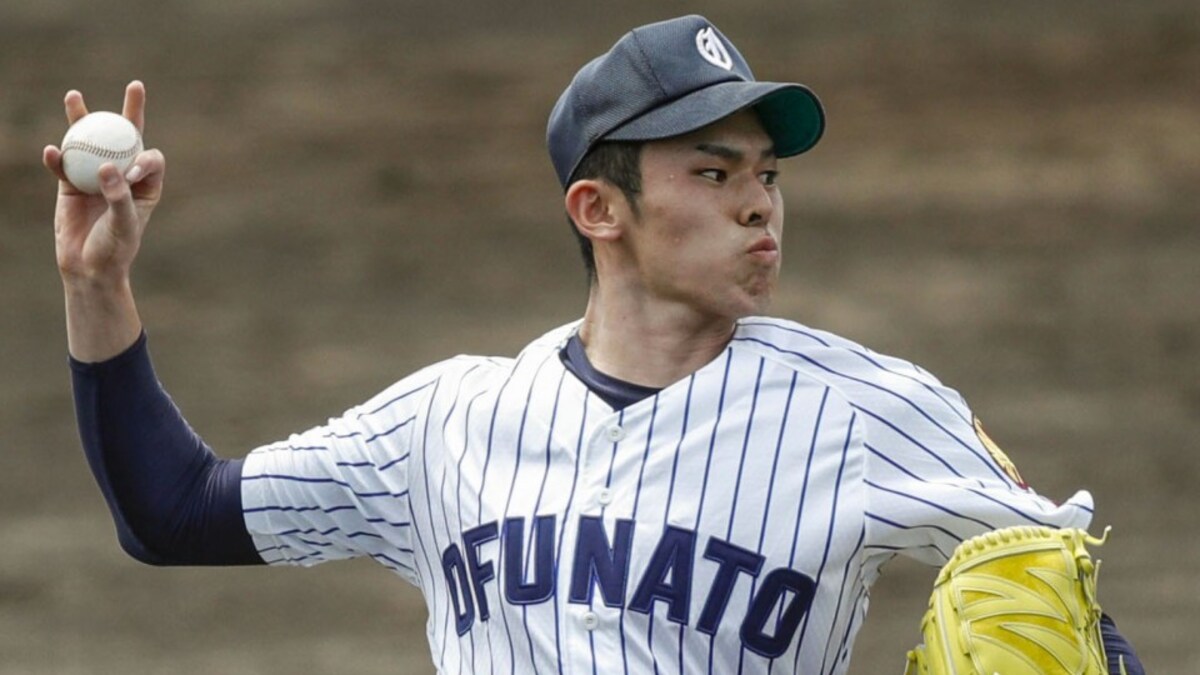
Sasaki, who captured international attention with his historic 19-strikeout perfect game in Japan, is expected to make his decision during an eight-day window between January 15 and January 23, 2025. This compressed timeframe allows teams to complete any necessary bonus pool adjustments while maintaining competitive tension in the bidding process.
2025 International Bonus Pool distribution

The competitive landscape for international signings in 2025 presents varying levels of financial flexibility across MLB:
Tier 1: Maximum Allocation ($7.55 million)
- Athletics, Reds, Tigers, Marlins, Brewers, Twins, Mariners, Rays
Tier 2: Enhanced Allocation ($6.91 million)
- Orioles, Guardians, Rockies, Royals, Pirates
Tier 3: Standard Allocation ($6.26 million)
- Yankees, Braves, Red Sox, Cubs, Angels, Mets, Phillies, Padres, Rangers, Blue Jays, Nationals
Tier 4: Restricted Allocation ($5.15-$5.65 million)
- Astros, Cardinals, Dodgers, Giants
| Team | Pool Amount |
| Athletics | $7,555,500 |
| Cincinnati | $7,555,500 |
| Detroit | $7,555,500 |
| Miami | $7,555,500 |
| Milwaukee | $7,555,500 |
| Minnesota | $7,555,500 |
| Seattle | $7,555,500 |
| Tampa Bay | $7,555,500 |
| Arizona | $6,908,600 |
| Baltimore | $6,908,600 |
| Cleveland | $6,908,600 |
| Colorado | $6,908,600 |
| Kansas City | $6,908,600 |
| Pittsburgh | $6,908,600 |
| Atlanta | $6,261,600 |
| Boston | $6,261,600 |
| Chicago Cubs | $6,261,600 |
| Chicago White Sox | $6,261,600 |
| Los Angeles Angels | $6,261,600 |
| New York Mets | $6,261,600 |
| New York Yankees | $6,261,600 |
| Philadelphia | $6,261,600 |
| San Diego | $6,261,600 |
| Texas | $6,261,600 |
| Toronto | $6,261,600 |
| Washington | $6,261,600 |
| Houston | $5,646,200 |
| St. Louis | $5,646,200 |
| Los Angeles Dodgers | $5,146,200 |
| San Francisco | $5,146,200 |
While initial pool sizes create different starting points, the Yankees’ proven ability to acquire additional funds through trades maintains their competitive position in pursuing premier talent.
Future perspectives: Building for sustained success
The Yankees‘ recent international signing activities represent a masterclass in strategic talent acquisition. The Romans’s signing demonstrates their ability to identify value beyond conventional rankings, while their maintained interest in Sasaki reflects ambitious long-term planning.
The Yankees’ international recruitment drive extends beyond Romans, encompassing two additional promising Dominican prospects from the 2024 IFA Class. Right-handed pitcher Ranciel Abreu, also 17, brings intriguing potential to the organization’s pitching pipeline. His reclassification into the 2024 IFA period speaks volumes about his accelerated development and readiness for professional baseball.
Complementing these signings is switch-hitting shortstop Alfred Ciriaco, whose versatility adds another dimension to the Yankees’ future infield options. The combination of Romans and Ciriaco provides the organization with multiple pathways for infield development, a crucial aspect of long-term roster construction.
The coming months promise continued excitement for Yankees supporters, as the organization balances immediate competitive needs with long-term development goals. Through strategic international signings and careful resource management, the Yankees are crafting a future that honors their winning tradition while embracing baseball’s evolving global landscape.
By balancing investments in developing talents like Romans, Abreu, and Ciriaco with strategic positioning for elite prospects like Sasaki, the organization maintains both immediate competitive strength and long-term viability.
What do you think? Leave your comment below.