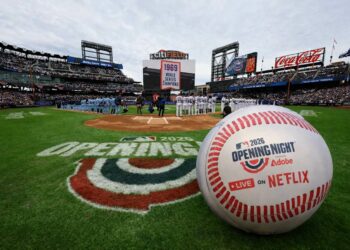
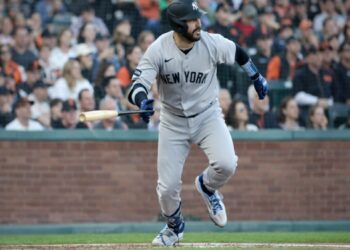
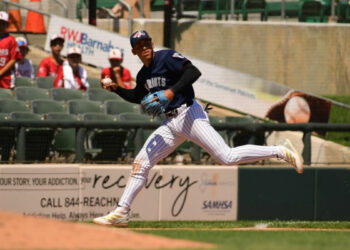
When Juan Soto inked his historic $765 million contract with the crosstown Mets, Yankees faithful were left reeling. The coveted outfielder’s decision to don the orange and blue initially seemed like a devastating blow to the Bronx Bombers’ 2024 offseason plans. However, the Yankees’ front office didn’t wallow in defeat – they orchestrated a remarkable pivot that may have transformed their roster’s landscape. As the dust settles, the Yankees’ alternative approach might prove more beneficial for their long-term championship aspirations. In fact, losing Soto seems like a blessing in disguise for the Bombers.
Yankees do better strategic resource distribution
Instead of committing an enormous portion of their budget to a single superstar (Soto), the Yankees executed a comprehensive strategy to strengthen multiple aspects of their roster:
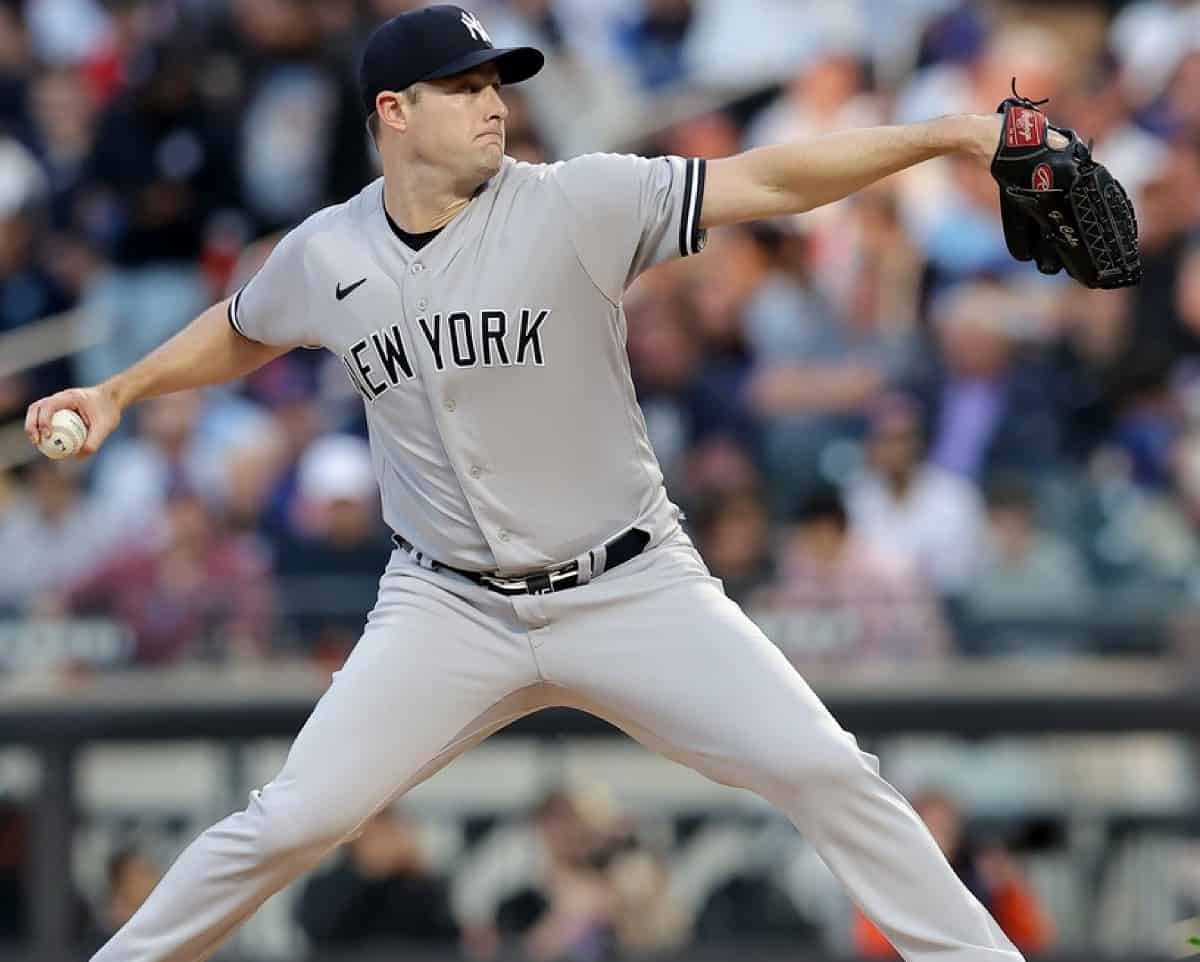
The acquisition of Max Fried, secured through an eight-year, $218 million contract, provides the rotation with an elite left-handed presence. Partnered with Gerrit Cole, this move establishes one of baseball’s most formidable starting pitching duos.
The Yankees bolstered their bullpen by trading Nestor Cortes for Devin Williams, adding an exceptional closer who brings reliability to high-pressure situations. This transaction addresses the team’s need for a dominant late-game presence.

Cody Bellinger’s arrival brings defensive excellence and left-handed power to both the outfield and infield. His versatility offers manager flexibility in daily lineup construction.
The addition of Paul Goldschmidt introduces a consistent veteran presence to the lineup, providing reliable production and seasoned leadership to the clubhouse.
Offensive architecture rebounds with a balanced attack
While Soto’s bat would have been transformative, the Yankees’ reconstructed lineup presents advantages through its depth and versatility:
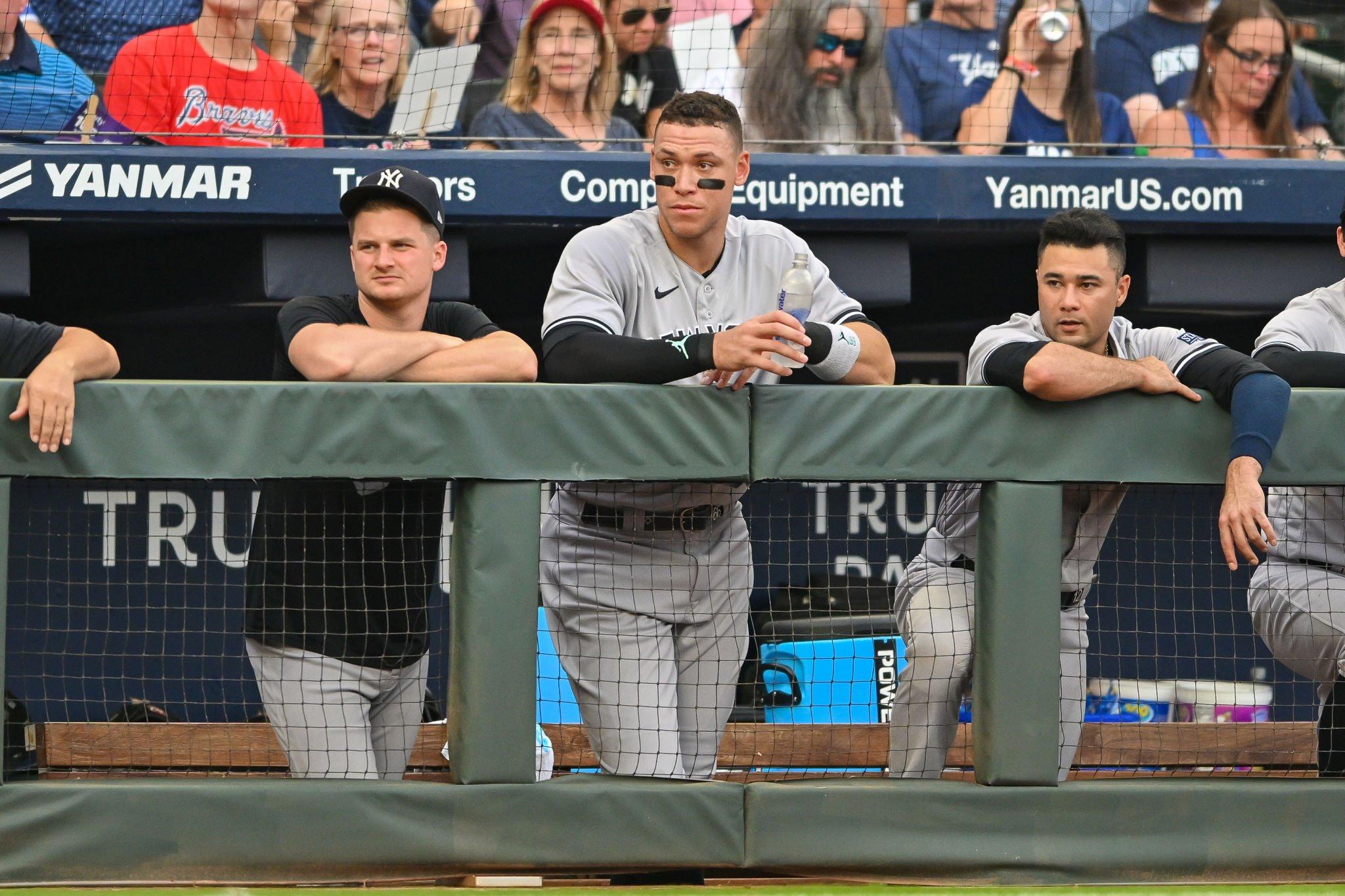
The power core of Aaron Judge and Giancarlo Stanton remains intact, providing the foundation for the offense. Their presence alone creates matchup nightmares for opposing pitchers.
Young talents Anthony Volpe and Oswald Peraza enter 2025 with invaluable experience, adding dynamic elements of speed and defensive prowess to the lineup.
The newcomers, Bellinger and Goldschmidt, bring balanced offensive approaches that complement the team’s existing power threats. This diversification reduces vulnerability to opposing pitching strategies. Several factors suggest the combined impact of Bellinger and Goldschmidt could exceed expectations:
Bellinger’s left-handed swing appears tailored for Yankee Stadium’s dimensions, potentially leading to increased power production compared to his numbers at Wrigley Field. Goldschmidt, freed from the burden of being the primary offensive threat as he was in St. Louis, could thrive in a lineup featuring multiple power threats.

Coming off a season where Yankees first basemen collectively struggled to a league-worst .602 OPS, even Goldschmidt’s career-low .716 OPS from 2024 promises a substantial improvement, potentially adding 25 runs to the team’s offensive output.
This strategic reshape carries additional benefits. Bellinger’s presence in center field optimizes Aaron Judge’s defensive positioning, while roughly $10 million in remaining luxury tax space provides flexibility for further roster enhancement.
Pitching framework becomes shaper, assures more success
The 2025 pitching staff emerges as a potential cornerstone of success:
The rotation, anchored by Cole and Fried, with Clarke Schmidt providing depth, combines power pitching with crafty effectiveness. The development of younger arms could further strengthen this unit.
Williams’ addition transforms the bullpen hierarchy, creating a reliable endgame strategy supported by effective setup options in Luke Weaver and Fernando Cruz.
The Yankees have engineered a pitching transformation that could redefine their championship aspirations. Gone are the days of uncertain late-game scenarios and rotation depth concerns – in their place stands a formidable pitching structure built for October success.
At the heart of this evolution sits the partnership between Gerrit Cole and newcomer Max Fried. The addition of Fried, whose postseason DNA was forged in Atlanta’s 2021 championship run, gives the Yankees a rare commodity: two authentic aces who thrive under October’s bright lights. While Cole overpowers hitters with electric stuff, Fried’s artistic command and groundball wizardry offer a masterful change of pace that could keep opposing lineups off-balance in crucial series.
The bullpen narrative has shifted dramatically with Devin Williams’ arrival. His otherworldly “Airbender” changeup – a pitch that seems to defy physics – gives the Yankees something they’ve craved since Aroldis Chapman’s prime: a closer who creates both confidence and chaos. Williams doesn’t just end games; he demoralizes opponents with a signature pitch that has become baseball’s equivalent of a knockout punch.
This structural reinforcement extends beyond the marquee names creating a pitching ecosystem where every arm has its purpose, every inning its specialist.

The Yankees haven’t just patched holes in their pitching staff – they’ve built a fortress designed to withstand the rigors of a championship chase. From the first pitch to the final out, this reconstructed staff combines power, finesse, and depth in ways that could make the Bronx a very uncomfortable place for visiting teams.
Thanks to losing Soto, the Yankees have transformed their pitching arsenal from question mark to exclamation point.
Financial flexibility: Planning for the future
By avoiding the lengthy commitment to Soto, the Yankees maintain crucial flexibility:
While still operating above the luxury tax threshold, the team’s distributed spending approach preserves options for future roster adjustments.
The farm system remains intact, allowing for organic talent development and potential midseason reinforcements.
Bolstering defense: A multi-dimensional approach
The 2025 roster configuration emphasizes defensive versatility:
Bellinger’s ability to excel at multiple positions provides daily lineup flexibility and late-game strategic options.
The infield defense, anchored by Goldschmidt and featuring the versatile LeMahieu and Torres, promises improved run prevention.
Challenges and opportunities going into 2025
Success in 2025 will depend on several factors, including:
- Maintaining key player health throughout the season
- Addressing the leadoff position effectively
- Supporting young player development
- Competing in the challenging AL East environment
Yankees’ 2025 outlook

The clubhouse seems to share management’s confidence, with Giancarlo Stanton expressing assurance in the team’s direction — “We’ll be alright. We’ll be alright.” Looking ahead to 2025, the Yankees have assembled a core of impact players in Fried, Williams, Bellinger, Goldschmidt, Jonathan Loaisiga, and Cruz – each capable of difference-making performances.
What began as a potentially devastating setback has evolved into a showcase of organizational agility. The Yankees’ methodical response to losing Soto demonstrates that sometimes the best path forward isn’t replacing a star, but reimagining the team’s entire structure.
While missing out on Soto initially appeared to be a setback, the Yankees’ alternative strategy has created a more adaptable and balanced roster for 2025. Rather than relying on a single superstar, the team has built a framework that promotes sustained success through depth, versatility, and strategic resource allocation. As the season approaches, the Yankees appear well-positioned to compete at the highest level, even without the marquee signing that dominated their early offseason priorities.
What do you think? Leave your comment below.