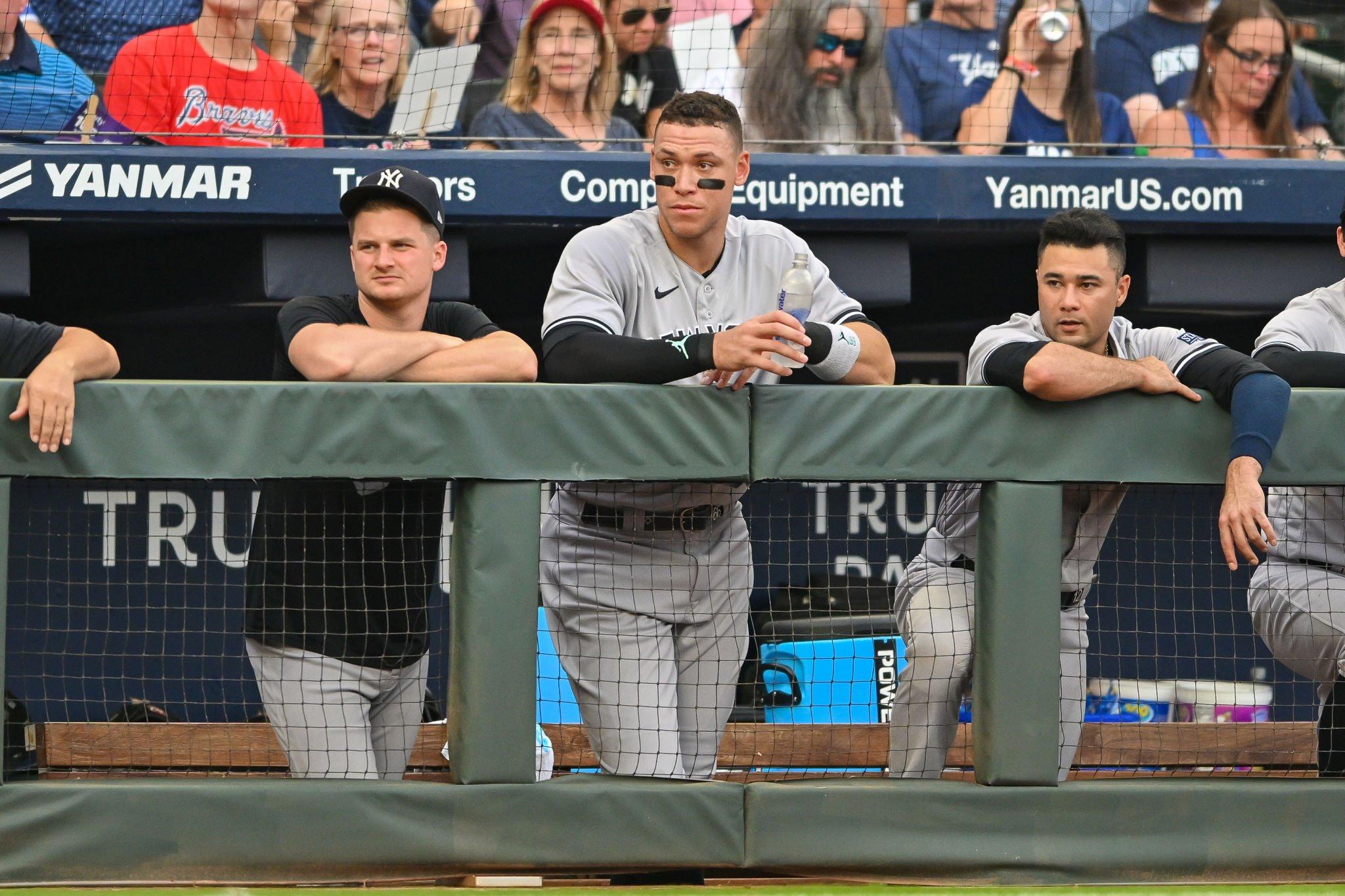
NEW YORK — A single swing from a New York Yankees catcher ended a playoff game before the final outs were recorded.
The moment unfolded during a tense World Baseball Classic quarterfinal. What appeared to be another run scoring hit quickly turned into the final act of the game. Within seconds, umpires signaled that the contest was over.
For many Yankees fans watching, the sudden finish raised a question rarely discussed during the MLB season. If international baseball can stop a blowout early, should Major League Baseball ever consider doing the same?
The answer lies within one of the tournament’s most unique rules.
Yankees catcher triggers WBC mercy rule
The Dominican Republic and South Korea entered their World Baseball Classic quarterfinal with very different expectations.
South Korea hoped to slow down one of the tournament’s most dangerous lineups. The Dominican Republic entered with star power across the roster.
By the seventh inning, the gap between the two teams had grown large.
Then Yankees catcher Austin Wells stepped into the batter’s box.
Wells drove a pitch down the right field line for a three run home run. The ball cleared the wall and instantly pushed the Dominican Republic ahead 10-0.
The blast did more than widen the lead.
It activated the World Baseball Classic’s mercy rule.
Under tournament rules, a game ends immediately if a team leads by 10 or more runs after seven innings. Once Wells’ homer crossed the fence, the umpires confirmed the score difference and ended the game on the spot.
The Dominican Republic did not need to record another out.
The scoreboard had already reached the threshold.
How the mercy rule works in the World Baseball Classic
The World Baseball Classic follows a tournament format that differs from Major League Baseball.
Because teams must play multiple games within a short period, the tournament includes safeguards to prevent unnecessary innings during blowouts.
Two mercy rule thresholds exist in the competition.
A game ends if one team leads by 15 runs after five innings. It also ends if one team leads by 10 runs after seven innings.
These rules apply in pool play and knockout rounds.
If the score crosses either threshold at the end of the required inning, the game immediately becomes official.
That structure helps reduce pitcher workload and prevents games from extending when the result is already clear.
The rule has been part of the World Baseball Classic since the tournament’s early editions and remains a standard feature in international baseball competitions.
Why international tournaments rely on mercy rules
International baseball tournaments operate under different constraints than MLB.
National teams often rely on pitchers who are under strict limits set by their major league clubs. Managers must carefully manage workloads to avoid injuries before the MLB season begins.
Ending blowouts early protects those pitchers.
The mercy rule also helps tournament organizers manage scheduling. Multiple games are played within a limited time window, often across several stadiums and countries.
A game that runs the full nine innings despite a massive score difference could disrupt the schedule.
Youth tournaments, Olympic baseball events and many amateur leagues use similar rules.
Major League Baseball remains one of the few high level competitions that does not.
MLB tradition keeps nine innings intact
Major League Baseball games are designed to last nine innings unless weather or external circumstances intervene.
Blowouts still run their full course. A team trailing by 10 or more runs must continue playing until the final out.
The philosophy is rooted in baseball tradition.
MLB history contains numerous dramatic comebacks that occurred late in games. Teams trailing by large margins have occasionally rallied to win.
Those moments are part of the sport’s identity.
Because of that history, MLB has avoided implementing mercy rules.
Instead, the league has addressed long games through pace of play changes. The pitch clock, defensive shift restrictions and larger bases are recent examples designed to shorten game times without changing the structure of nine innings.
Introducing a mercy rule would alter that structure.
For now, MLB has shown no signs of adopting it.
Yankees fans witness rare ending in international play
Austin Wells’ home run offered Yankees fans a rare moment that MLB games never produce.
In the Bronx or any other major league stadium, a 10-0 lead in the seventh inning would simply mark another step toward the ninth.
Pitchers would finish the final innings. Position players might even take the mound to save bullpen arms.
But the game would continue.
The World Baseball Classic handles blowouts differently.
Once the mercy rule threshold is met, the game ends immediately.
That is exactly what happened after Wells’ three run homer.
For the Dominican Republic, it secured a dominant quarterfinal victory. For Yankees fans watching, it provided a glimpse into how international baseball manages lopsided games.
And it revived a conversation that surfaces every few years.
If the World Baseball Classic can end a blowout early, should MLB ever follow the same path?
For now, the answer remains tied to baseball’s longest standing tradition.
Nine innings, no matter the score.
What do you think?