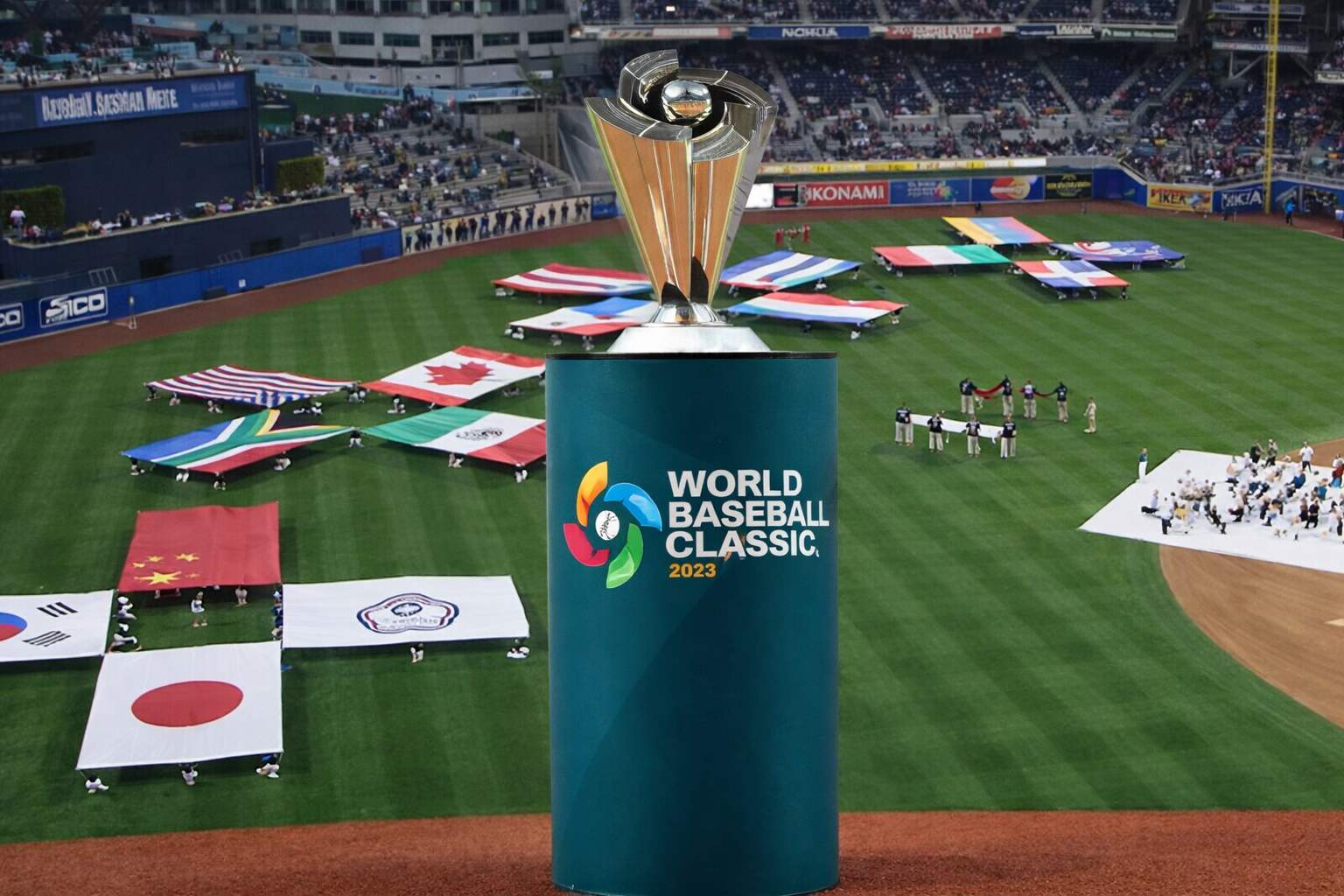
MIAMI — When Team USA and Venezuela step onto the field at loanDepot Park Tuesday night for the World Baseball Classic championship game, the flags will fly and the anthems will play. Fans will cheer for country and culture. Players will compete for glory and bragging rights.
But beneath the surface of every WBC matchup sits a financial machinery that most fans never see. The 2026 World Baseball Classic is not just the biggest international baseball tournament ever staged. It is also the most expensive one. And the money flowing through it tells a story that goes far beyond who lifts the trophy.
A watershed moment for WBC prize money
A total of $37.5 million will be distributed across the 2026 WBC. That is a watershed moment for MLB and the national federations. Never before has such a figure been put on the table for bonuses in this event. By comparison, the 2023 World Baseball Classic featured a total prize pool of just $14.4 million. The increase amounts to more than 160% in three years.
How the WBC prizes are distributed
The bonuses start from a base of $750,000 that will go to each of the 20 teams participating in the tournament. In the group stage, the four teams that finish as leaders of each pool will receive an additional $750,000.
From the knockout round onward, each team that qualifies for the quarterfinals receives an additional $1 million. The semifinalists earn another $1.25 million. The two finalists collect an additional $1.25 million on top of that.
For the team that manages to finish the WBC tournament undefeated, the total prize will reach $7.5 million. If the title is won without a perfect record, the champion receives a bonus of $2.5 million added to all accumulated payouts from earlier rounds.
| Tournament stage | Prize payouts |
| Participation | $300,000 |
| Group winner | $300,000 |
| Advancing to quarter final | $400,000 |
| Advancing to semi final | $500,000 |
| Advancing to final | $500,000 |
| Champion | $1,000,000 |
Regardless of the final result or the amount each team earns, the financial incentives are split in equal percentages: 50% to the national federation and 50% to the players, coaches and manager. In 2023, that split meant roughly $50,000 per player on a champion’s 30-man roster. With the increased 2026 WBC pool, individual shares are expected to climb significantly.
How much the payouts have jumped since 2023
The increases across every stage of the WBC are dramatic. The participation bonus jumped from $300,000 in 2023 to $750,000 in 2026. Qualification for the quarterfinals rose from $400,000 to $1 million. Reaching the semifinals and the final went from $500,000 per round to $1.25 million. And the championship bonus itself more than doubled, climbing from $1 million to $2.5 million.
Those numbers represent a considerable increase for players, coaching staffs and federations at every level of the WBC bracket.
Staggering salary gap between World Baseball Classic finalists
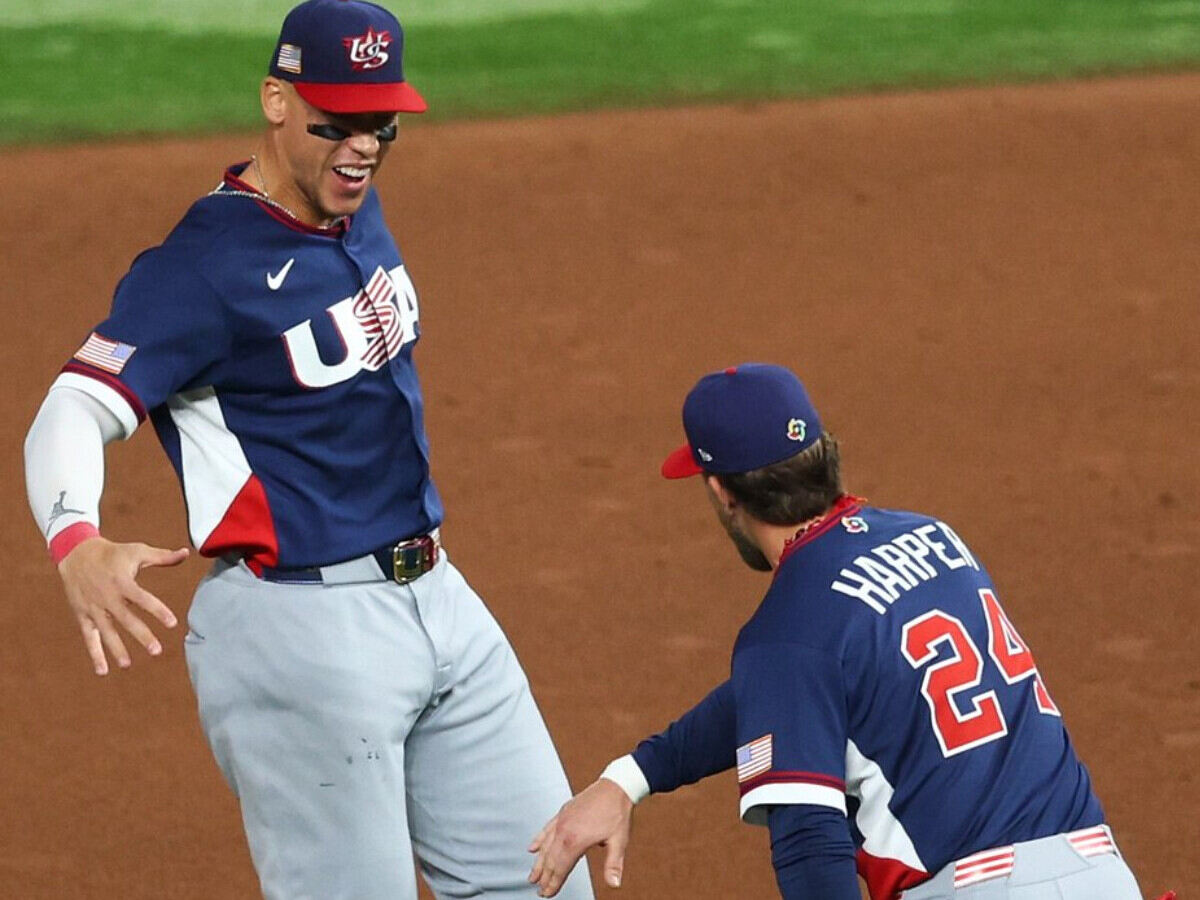
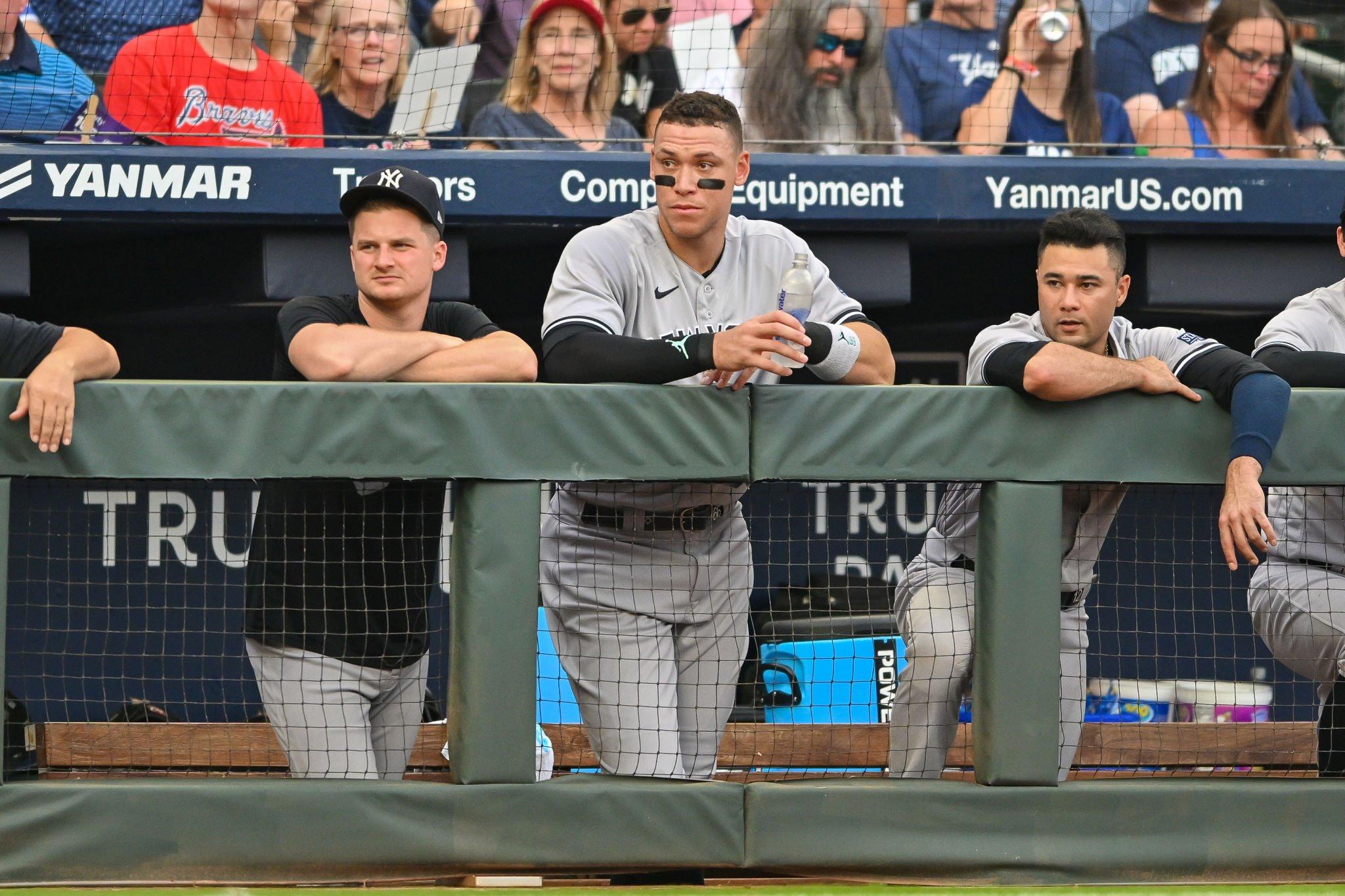
The prize pool tells one story. The roster salaries tell another. The combined 2026 MLB salaries of the American WBC roster add up to roughly $311 million. That figure alone would rank fifth among all 30 MLB teams. Yankees captain Aaron Judge leads the way at $40 million per year.
Venezuela’s WBC squad carries a combined payroll of about $187 million. That is a healthy number, but it is $124 million less than Team USA’s total.
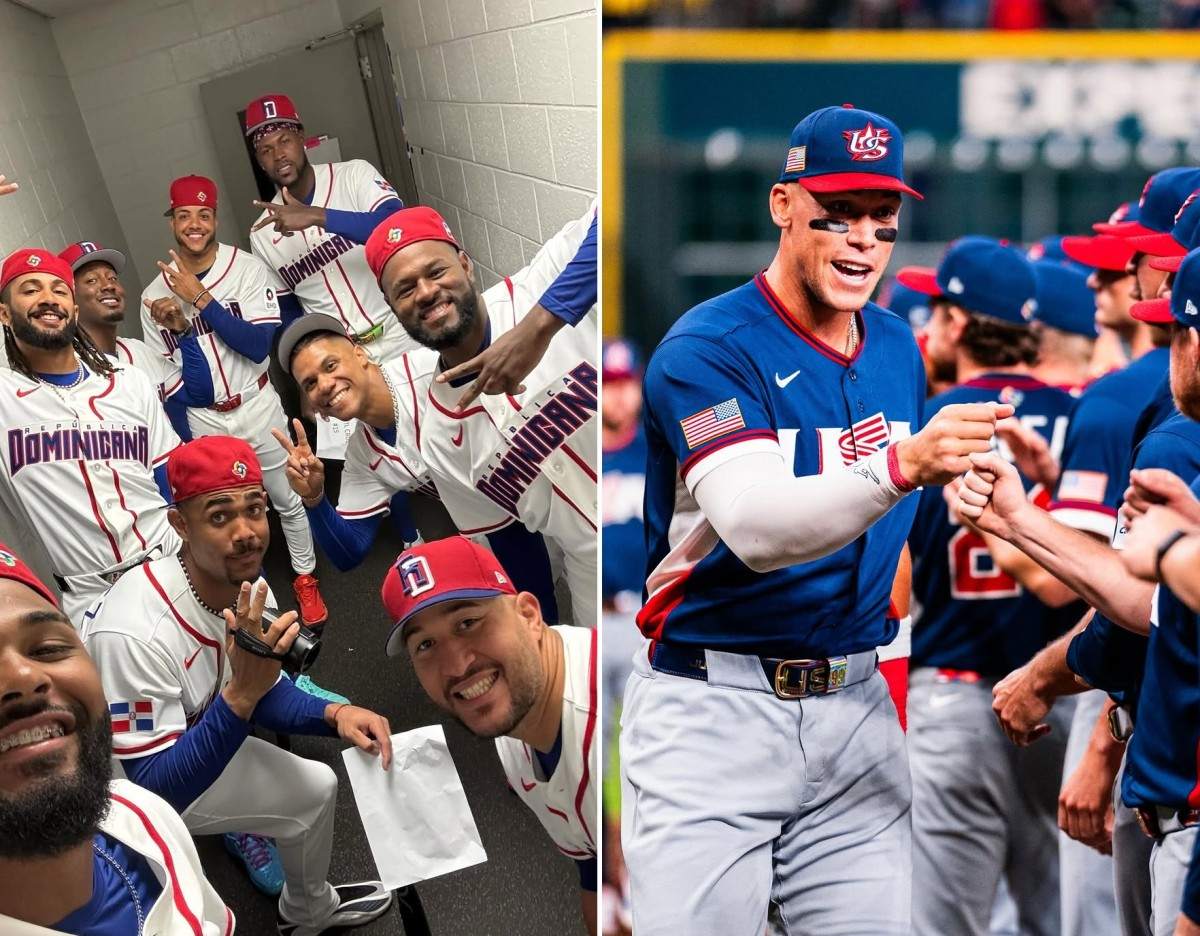
The disparity was even more visible in the WBC semifinal round. The Dominican Republic, which lost to the U.S. 2-1 on Sunday, brought a roster valued at $295.2 million. That matchup was the closest the WBC has produced to a financial heavyweight fight.
Italy told a very different tale. The Azzurri’s entire WBC roster carried a combined MLB salary of just $52 million. Nearly half of that came from one pitcher, Aaron Nola, who earns $24.6 million with the Phillies. Many of Italy’s World Baseball Classic players are at or near the MLB minimum salary of $780,000. Despite that gap, Italy went 5-1, beat Team USA in pool play and reached the WBC semifinals before falling to Venezuela 4-2.
The global revenue engine behind the WBC
The prize pool is just one piece of the financial puzzle. The WBC has evolved into a global content platform that distributes broadcasts in 14 languages across more than 170 countries. Sponsorship deals, broadcasting rights and ticket revenue have turned the event into a financial machine.
In 2023, nearly 100 million viewers in Japan alone tuned in to watch their team win the WBC title. Ticket demand for the 2026 edition has shattered all previous records. Some seats for marquee matchups like Japan vs. Chinese Taipei sold for more than $20,000. Even for Dominican Republic games, average ticket prices hovered around $300, comparable to World Series pricing.
Netflix acquired exclusive WBC broadcasting rights in Japan for the 2026 tournament. FOX holds the American television deal. The growing reach of digital platforms means the WBC audience is expanding into territories that traditional baseball coverage has never touched.
The financial engine also extends to MLB clubs, which carry insurance risk for every player they release to the WBC. Forbes reported that WBC insurance policies cover two years of salary for position players and four years for pitchers. That kept some of the game’s biggest names, like Mike Trout, out of the 2026 WBC entirely.
Harper pushes back on the overdog narrative
With those salary numbers in the spotlight, Team USA could easily be painted as the financial bully of the WBC. But the Americans are pushing back on that framing.
“I don’t know about a villain role. I don’t think any of us really thought about that,” first baseman Bryce Harper said. “It’s awesome to see these cultures come together from Asia to Latin countries to America. That’s what is so great about our game. We’re all in this tournament, feeding off and playing a great game, and it’s great that there’s so many different cultures that play this game.”
Harper’s point lands differently when you consider what the WBC means to countries where baseball is woven into daily life. In South Korea, Japan, Cuba and the Dominican Republic, the WBC has become the highest-rated television event in history. Daily routines stop when the national team plays. That cultural investment cannot be measured in salary dollars.
What Tuesday night’s WBC final really represents
When Team USA faces Venezuela for the WBC championship Tuesday at 8 p.m. ET on FOX, the financial scoreboard will be wildly uneven. The Americans carry a roster worth $311 million. Venezuela brings $187 million. The World Baseball Classic champion could pocket up to $7.5 million in total prize money.
Those numbers are dwarfed by the billions in broadcasting rights, sponsorship revenue and global media exposure that the WBC generates. The tournament has proven it can fill stadiums, break viewership records and mobilize entire nations around a single baseball game.
For Yankees fans, the stakes are personal. Judge is chasing the first WBC title of his career. For the sport, the stakes are structural. The 2026 World Baseball Classic is proof that international baseball can be a financial powerhouse, not just a feel-good spring event.
The flags will wave Tuesday night. The drums will pound. But behind every pitch, every swing and every roar from the crowd, billions of dollars are riding on the outcome. That is the real story of the 2026 World Baseball Classic.
What do you think? Leave your comment below.