NEW YORK — The New York Yankees are in camp preparing for another long season. But far from Tampa and far from the Bronx, a crisis inside the MLB Players Association has shaken the foundation of the sport.
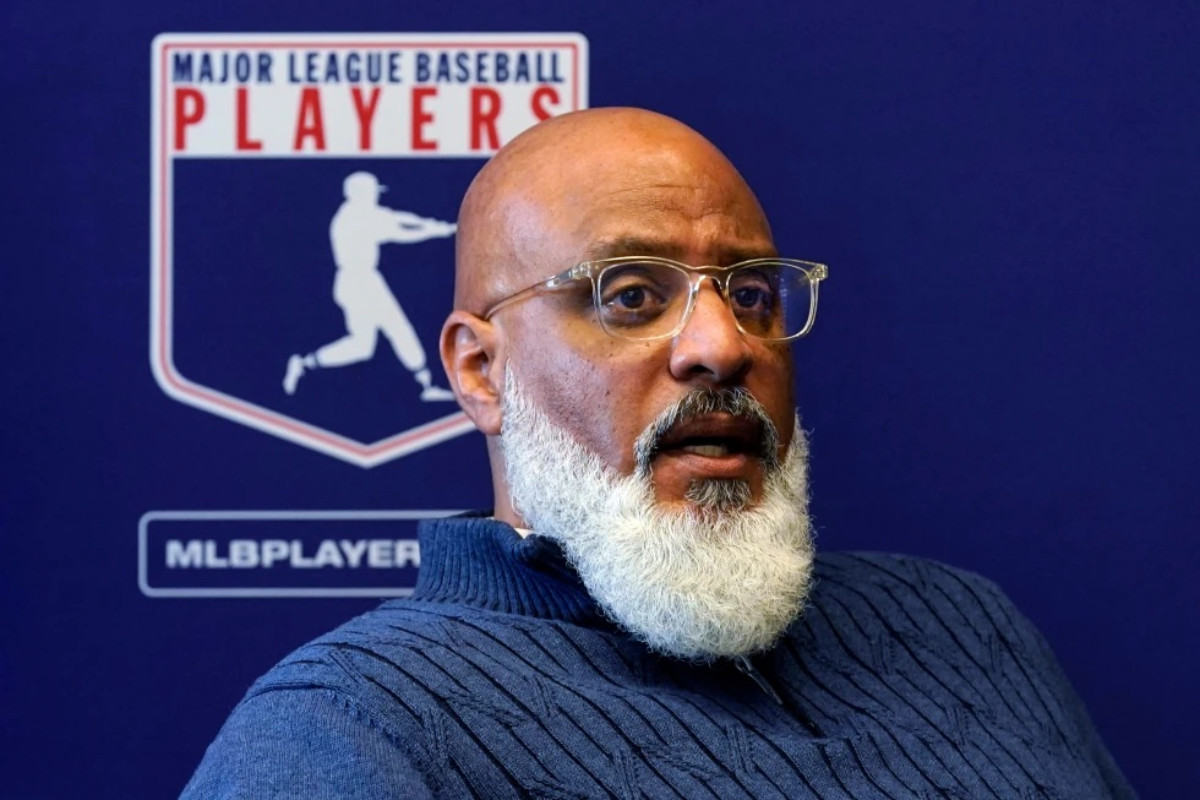
Tony Clark’s sudden resignation as MLBPA executive director has created turbulence at the worst possible time. The collective bargaining agreement expires Dec. 1, 2026. Owners are widely expected to impose a lockout if no deal is reached. Now the union enters that battle without the leader who guided it for more than a decade.
The MLB Players Association was supposed to be touring spring training camps this week, sitting down with every clubhouse from Arizona to Florida and laying the groundwork for what promises to be the most contentious labor negotiation in years. Instead, the union is in crisis.
The initial assumption was that a federal investigation into alleged financial improprieties at the union forced him out. That was only part of the story. And it was not the part that sealed his exit.
An inappropriate relationship, not the federal probe, triggered the ouster
According to Joel Sherman of the New York Post, Clark’s departure was driven by the discovery of an inappropriate relationship with his sister-in-law, who worked for the MLBPA. The Athletic reported that an internal probe uncovered messages between Clark and the union employee. Clark was confronted with the findings on Friday. Players were informed over the weekend. By Tuesday, he was out.
The federal angle has not gone away. The Eastern District of New York has been investigating allegations that Clark and the MLBPA misused funds from a licensing agreement tied to OneTeam, a company co-owned by the union and Players Way. ESPN reported that prosecutors have expanded the inquiry to include potential obstruction. Former NFLPA lawyer Heather McPhee alleged that Clark and former NFL players union boss Lloyd Howell ran a pressure campaign to shut down a review of a bonus plan that directed millions to OneTeam board members.
Questions also surfaced around Players Way spending close to $10 million while hosting only a handful of lightly attended live events. That figure was far higher than the $3.9 million the MLBPA disclosed to ESPN last year. The union hired outside counsel, Adam Braverman, to keep its eight-member executive subcommittee updated on the legal exposure.
But it was the personal scandal, not the money trail, that pushed the players to act.
Why this matters for every Yankees fan
For Yankees fans, the memory of the 99 day lockout that delayed the 2022 season remains fresh. That stoppage ended only after marathon negotiations and intense public sparring.
The current collective bargaining agreement expires Dec. 1. Baseball owners are widely expected to lock the players out once it lapses. The union was about to begin its most important stretch of preparation, visiting every camp and building solidarity among the rank and file. Those meetings were postponed Monday evening and have not been rescheduled.
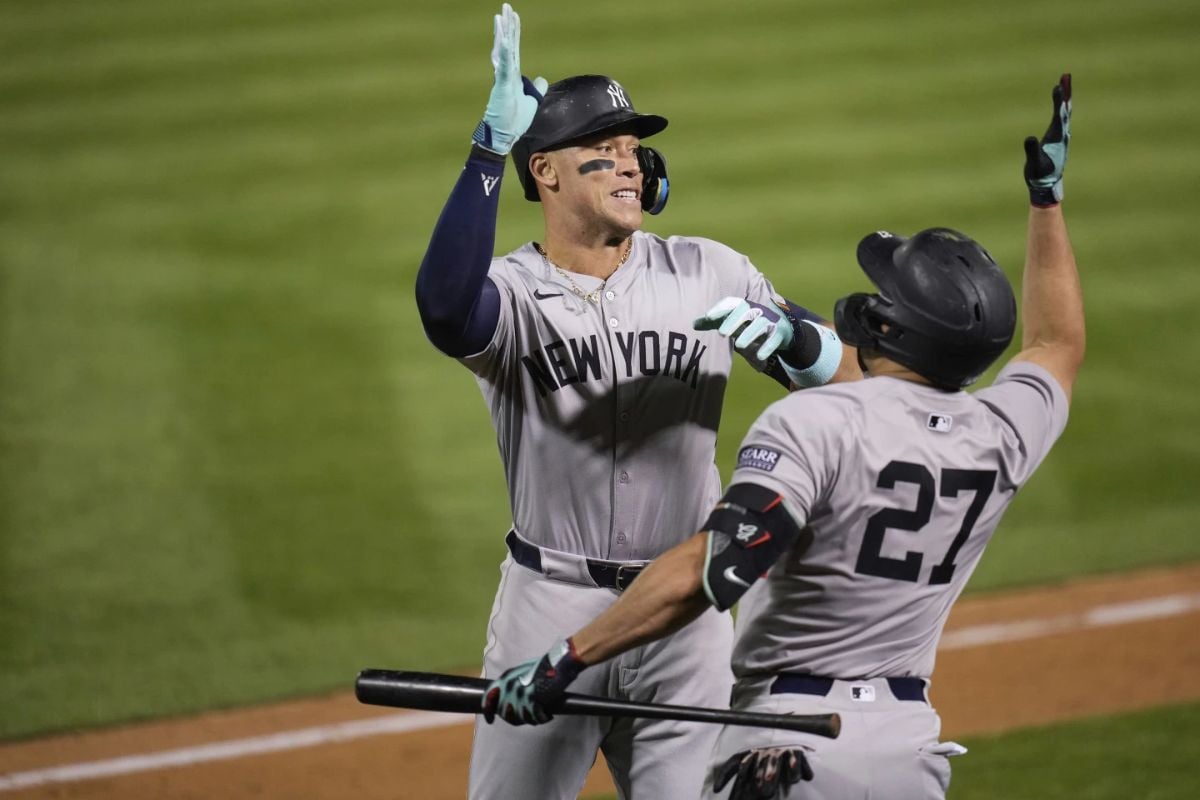
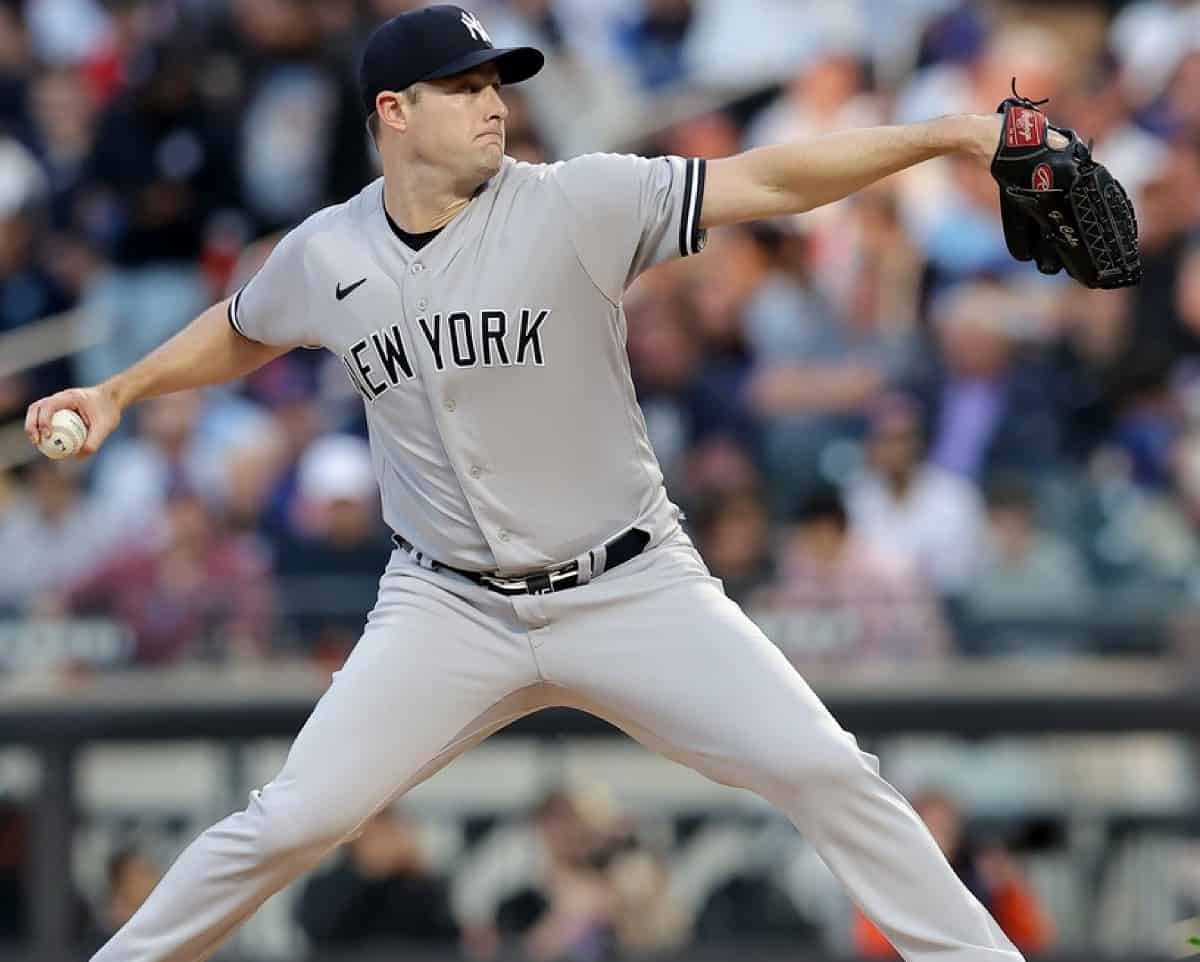
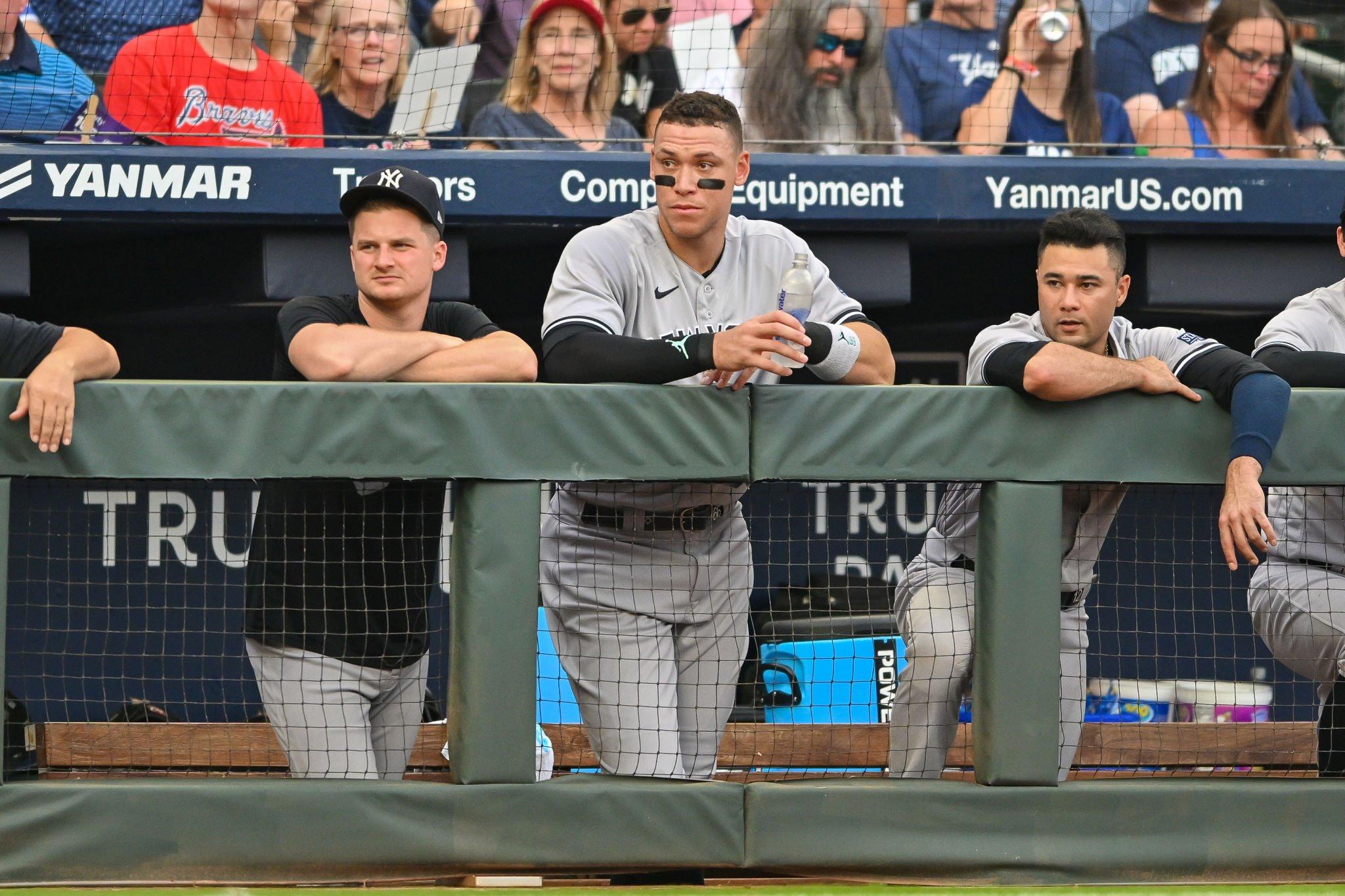
For Yankees fans, the stakes are enormous. The club has built a roster designed to contend in 2026, with Aaron Judge, Cody Bellinger, Gerrit Cole and a deep supporting cast. A work stoppage that cancels games would waste a championship window that the front office has invested heavily in keeping open.
Mets infielder and subcommittee member Marcus Semien acknowledged the awkward timing. “The timing of when the investigation may be over is still unknown. But the timing of when the CBA expires is known. It’s in December,” Semien told reporters in Port St. Lucie. “Things happening now, it’s better than if it happened right before December if anything came out.”
Bruce Meyer emerges as the likely successor

Union leadership met Tuesday afternoon but did not vote on a replacement. Angels pitcher and subcommittee member Brent Suter said an interim executive director would be installed, potentially as soon as Wednesday.
“Let me tell you, the ship is strong,” Suter told reporters, per The Athletic. “We just need to make the right decisions today and moving forward, and we’ll be just fine.”
The leading candidate is Bruce Meyer, the MLBPA’s deputy executive director and lead negotiator since 2018. “There’s just not enough time for it to be anyone else,” one prominent agent told USA Today Sports.
Tigers pitcher Tarik Skubal expressed confidence in Meyer. “I don’t think it has any impact on negotiating,” Skubal said, per The Athletic. “Bruce has been our lead negotiator. He’s done it in the past. Although Tony has been the face of the PA in terms of negotiating, I’m still as confident as ever in Bruce and everyone else that we’ve got behind him.”
MLB officials fear a ‘bloodbath’ at the bargaining table
That confidence is not shared on the ownership side. MLB labor officials have a contentious history with Meyer. They called him unreasonable during the last round of negotiations, which included a 99-day lockout in 2021-22. With Clark gone, the person owners viewed as a moderating influence has left the room.
“This is going to be a bloodbath,” one club executive told USA Today Sports.
Meyer’s path has not always been smooth within the union either. Two years ago, 21 player representatives pushed to replace him with Harry Marino, the lawyer who organized minor league players. Clark backed Meyer and the effort failed. Meyer later addressed the episode in an open letter, writing: “From the moment I was hired, if not before, MLB began demonizing me both privately and publicly.”
The union’s official statement Tuesday struck a tone of calm. “The strength of this union is, and will always be, the solidarity of our membership,” the MLBPA said. “We have a long history of fighting for the rights of every player, and we’re committed to making sure we can continue that fight successfully.”
Calm statements aside, the reality is grim. The union has lost its leader to a personal scandal while facing a federal investigation, with less than 10 months before the CBA expires. For the Yankees and every other club building toward October, the biggest threat to the 2027 season may not come from the field. It may come from the negotiating table.
What do you think? Leave your comment below.