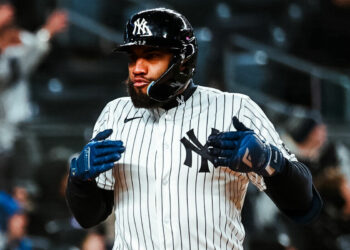
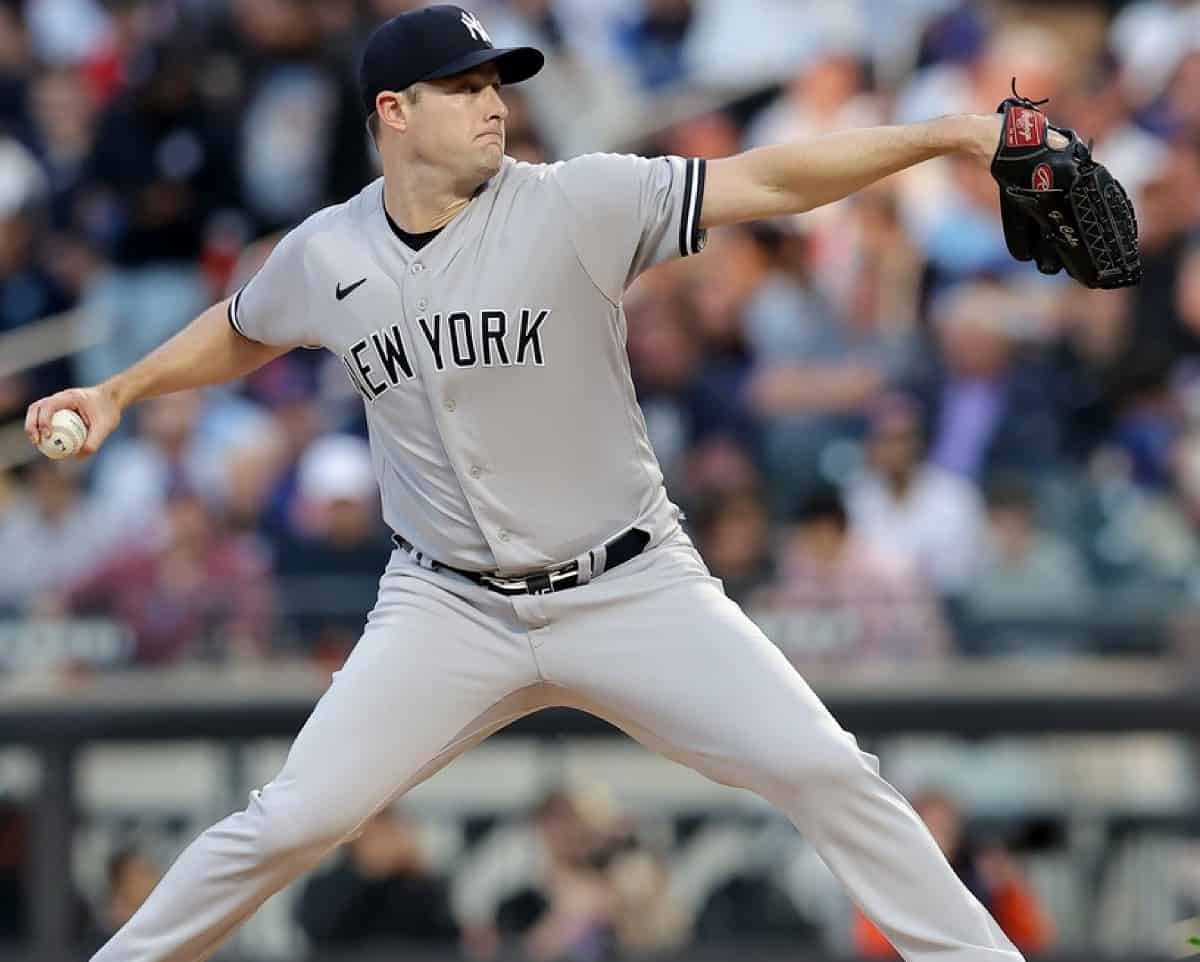
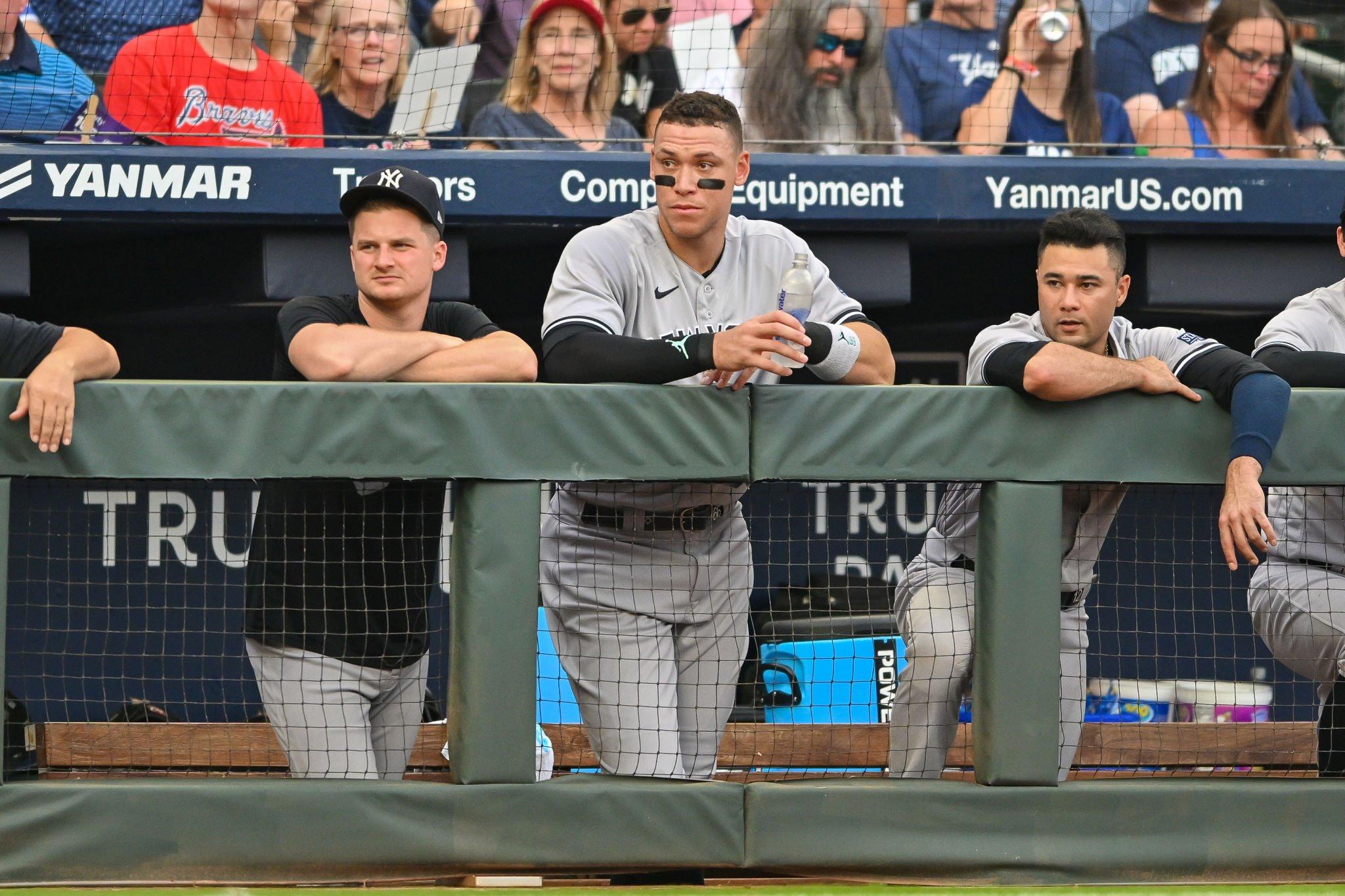
The mighty have fallen—or at least stumbled. The New York Yankees, baseball’s most storied franchise, grapple with an unfamiliar reality: their brand no longer carries the magnetic pull it once did in the free-agent market. This harsh truth came into sharp focus with Japanese pitching prodigy Roki Sasaki’s decision to exclude the Bronx Bombers from his list of potential MLB destinations. The situation has prompted a forceful commentary from Gary Sheffield Jr., whose perspective as both a podcast host and son of Yankees royalty adds particular weight to the ongoing discourse about the team’s diminishing appeal.
A voice of discontent emerges
In the wake of Sasaki’s rejection, Sheffield Jr. didn’t mince words on social media platform X, delivering a stark assessment of the Yankees’ current standing in baseball’s hierarchy.
“The Yankees have zero allure and that’s perfectly okay to admit. Has to be earned on the field if they want it back to win free agency,” Sheffield declared.
Drawing a compelling parallel to another sports dynasty, he expanded his analysis:
“Allure shouldn’t last forever. The New England Patriots had it under Brady and now the only way to return is to win first. Nothing should be controversial about this statement being the simplicity as to what creates allure.”
These pointed observations from Sheffield cut to the core of a growing concern: the Yankees’ historical prestige alone no longer suffices to secure premier talent in today’s competitive market.
The Sasaki situation: A symptom of larger issues
The story of Roki Sasaki’s courtship reads like a microcosm of the Yankees’ recent free agency struggles. The 23-year-old Japanese ace, whose electric fastball and pinpoint control have drawn comparisons to legendary hurlers, represented a perfect opportunity for the Yankees to reassert their international recruiting prowess. Instead, they found themselves eliminated from contention alongside the San Francisco Giants, as Sasaki pursued options that better aligned with his vision for the future.
This rejection echoes recent history, where the Yankees watched helplessly as the Los Angeles Dodgers secured the services of Japanese superstars Shohei Ohtani and Yoshinobu Yamamoto. The Dodgers’ successful pursuit of these players—secured through contracts worth $700 million and $325 million respectively—highlighted a shifting power dynamic in baseball’s talent acquisition landscape.
Free agency failures mount

The Yankees’ challenges extend beyond the international market. The departure of Juan Soto to crosstown rivals New York Mets serves as perhaps the most stinging reminder of their diminished pull. Despite offering a mammoth 16-year, $760 million contract, they couldn’t prevent Soto from accepting the Mets’ slightly more lucrative 15-year, $765 million proposal.
While the organization did manage to retain Aaron Judge during the 2022 offseason, that success appears more attributable to Judge’s personal attachment to the franchise than the Yankees’ negotiating prowess. Without such emotional connections to leverage, the team has repeatedly found itself outmaneuvered in pursuit of elite talent.
The core of Sheffield’s argument: Lost luster
Sheffield Jr.’s critique resonates because it addresses a fundamental truth about sports dynasties: reputation must be constantly renewed through achievement. The Yankees’ mystique, built through decades of excellence, has been eroded by years of relative mediocrity and postseason disappointments. Even their 2024 World Series appearance, breaking a 15-year drought, hasn’t been enough to fully restore their former gravitational pull on the game’s biggest stars.
The Patriots comparison Sheffield draws illuminates a crucial aspect of sports dynasty dynamics. Like New England in the post-Brady era, the Yankees must confront the reality that past glory provides no guarantee of future success in attracting talent. The path back to prominence demands tangible results rather than reliance on historical achievements.
Moving forward: The Yankees’ response
Despite these setbacks, the Yankees haven’t remained idle. Their successful pursuit of Max Fried, securing him with a record-setting contract for a left-handed pitcher, demonstrates their continued ability to close deals. The addition of elite closer Devin Williams further reinforces their commitment to building a competitive roster. However, gaps remain in their lineup, particularly at second base and in left-handed relief pitching.
These remaining needs represent both a challenge and an opportunity for the organization to demonstrate its adaptability in the modern baseball landscape. The team’s success in addressing these gaps could serve as a barometer for their ability to evolve beyond their traditional reliance on brand power.
The voice of the faithful
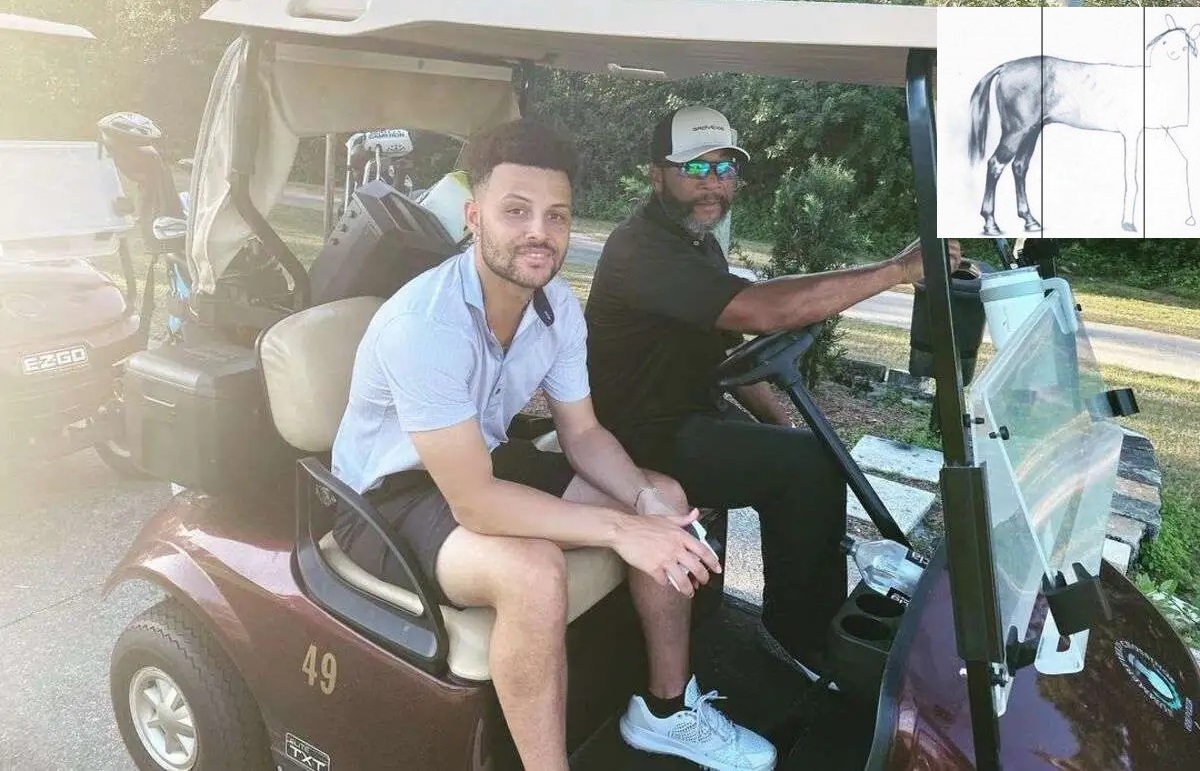
The Yankees’ faithful find themselves in unfamiliar territory, watching their team struggle to attract premier talent despite possessing substantial financial resources. Sheffield Jr.’s commentary has struck a chord with fans who recognize that the path to renewed dominance requires more than opening the checkbook—it demands a fundamental reimagining of how the Yankees build and maintain their roster.
The franchise’s position as one of sports’ most recognized brands provides a foundation for recovery, but leveraging that advantage requires a more nuanced approach than in previous eras.
Looking ahead: Rebuilding the brand
The Yankees’ current predicament with Sasaki and other free agents represents more than just missed opportunities—it signals a necessary period of reinvention for baseball’s most successful franchise. As Sheffield Jr. astutely noted, the restoration of the Yankees’ allure depends on their ability to create new success stories rather than merely referencing past glories.
The challenge facing the organization isn’t insurmountable, but it requires acknowledgment that the baseball world has changed. By focusing on building a sustainable winning culture and demonstrating innovative thinking in player development and acquisition, the Yankees can begin to reconstruct their reputation as baseball’s premier destination for elite talent. Until then, the scrutiny from voices like Sheffield Jr.’s will serve as a reminder that in professional sports, prestige must be continuously earned rather than inherited.
What do you think? Leave your comment below.