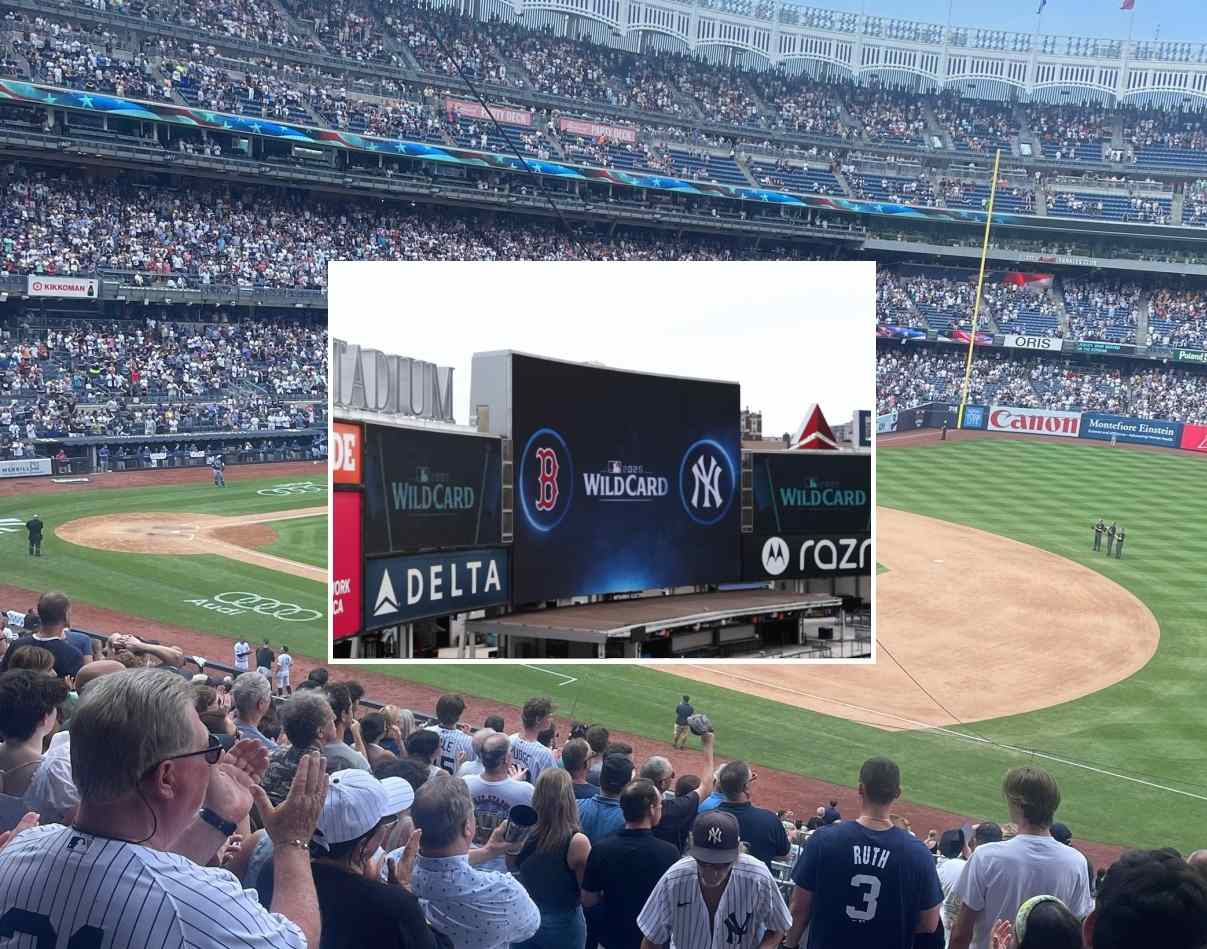
NEW YORK — A playoff ticket controversy erupted just hours before first pitch at Yankee Stadium. The Yankees imposed geographic restrictions that block rival fans from buying postseason tickets.
The policy affects the American League Wild Card Series between the Yankees and the Red Sox starting Tuesday and extends to potential Division Series games. Only residents of New York, New Jersey, Connecticut and Pennsylvania can purchase tickets through Ticketmaster.
Fans in Massachusetts, Rhode Island, Vermont, New Hampshire and Maine discovered the rule when trying to secure seats. Their billing addresses made them ineligible. Canadian residents also face restrictions, meaning Blue Jays fans cannot buy tickets if their team meets New York in the Division Series.
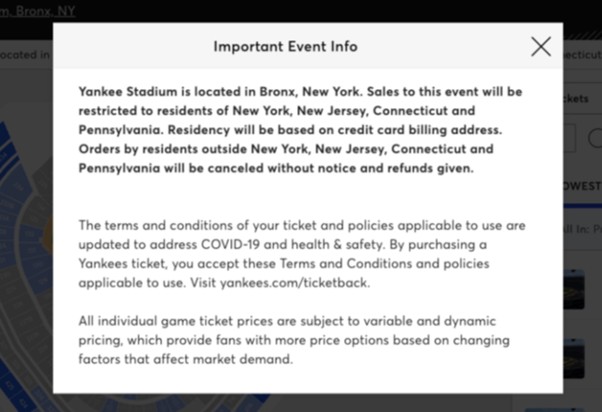
“Yankee Stadium is located in Bronx, New York,” Ticketmaster points out on the site. “Sales to this event will be restricted to residents of New York, New Jersey, Connecticut and Pennsylvania. Residency will be based on credit card billing address. Orders by residents outside New York, New Jersey, Connecticut and Pennsylvania will be canceled without notice and refunds given.”
The Yankees explained the move by pointing to scalping concerns. A club representative told CBC News that the limits are designed to reduce resale at inflated prices.
Ticketmaster enforces the rule by checking billing addresses. Purchases from restricted states are automatically canceled, and refunds are issued without warning.
The restrictions remain in place even if New York advances past Boston. Canadian fans would still be locked out of official sales, though the Blue Jays, who won the AL East and secured a first-round bye, could face the Yankees in the next round.
“Hey @MLB this is kind of ridiculous,” one fan posted on X.
Brian McGonagle, a Boston-based producer of the Spittin’ Chiclets podcast, also criticized the decision.
“Bunch of scare bears,” McGonagle wrote.
In Boston, fans shared their frustration in interviews.
“I feel bad for people from Massachusetts because they are obviously the real Red Sox fans,” one fan said Monday.
Another Boston native said she was shocked by the policy.
“Born and raised Red Sox fan, I want to go so that’s horrible, that’s ridiculous!” she said.
Red Sox take opposite approach
Boston officials confirmed they do not use similar restrictions. A Red Sox spokesperson said the team welcomes fans from anywhere to purchase tickets at Fenway Park.
“We do not limit purchase eligibility at Fenway Park,” the team said in an email.
That contrast highlights the difference between the two rivals. The Red Sox allow open access, while the Yankees restrict purchases to protect their home-field environment.
If Boston wins the Wild Card matchup, Canadian Blue Jays fans would face no such limits. The Red Sox do not prevent visiting supporters from buying tickets, regardless of state or country.
Precedent exists for ticket restrictions
This is not the first time fans from Canada have faced postseason ticket barriers. During the 2023 NHL playoffs, the Florida Panthers blocked Canadian buyers for games against the Toronto Maple Leafs.
The restriction drew heavy backlash and was lifted within 24 hours. The Yankees, however, show no sign of making a similar reversal.
Geographic bans remain rare in professional sports. Most teams focus on maximizing revenue, even if it means selling to opposing fans. The Yankees’ strategy reflects a different calculation.
A packed house of mostly home supporters can create a louder and more intimidating atmosphere. That advantage may outweigh the criticism. Yet it also risks damaging the team’s reputation if seen as excessive.
Andrew Savulich/New York Daily News
Secondary market remains option
Rival fans still have ways to attend. Secondary ticket platforms such as StubHub and SeatGeek do not enforce geographic restrictions. Resale markets, however, carry higher costs.
Playoff tickets already sell at premiums. Yankees-Red Sox games command top prices even in the regular season. In October, costs climb far higher.
Some fans may find workarounds by buying through friends or family who live in eligible states. That method is not foolproof, since the Yankees can still track and cancel questionable transactions.
Others may try to buy from vendors outside the stadium. That option comes with risks of counterfeit tickets and inflated prices. It also offers no guarantee of availability.
Questions about fairness persist
The restrictions raise questions about fairness and access. Major League Baseball has not commented. The league typically allows teams to set their own ticketing rules.
Consumer advocates have not yet weighed in on possible legal issues. Some states have statutes against ticket discrimination, but it remains unclear whether geographic restrictions fall under those protections.
The Yankees face little pressure to change course. Demand for playoff seats is high enough that games will sell out regardless of who buys.
For Boston supporters, the decision forces a choice between paying inflated resale prices or staying home. Many will likely choose to watch from afar.
The policy ensures Yankee Stadium crowds remain heavily in favor of the home team. That may provide a postseason boost, but it also adds fuel to the sport’s fiercest rivalry.