ATLANTA — Baseball’s governing body initiated a formal investigation into Atlanta Braves coach Eddie Perez following a controversial incident during Saturday’s contest at Truist Park. The probe centers on Perez’s head-pointing gesture during a verbal exchange with New York Yankees infielder Jazz Chisholm Jr., raising concerns about potential threats of intentional beaning.
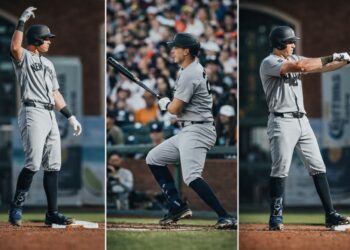
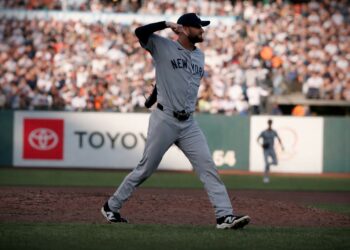
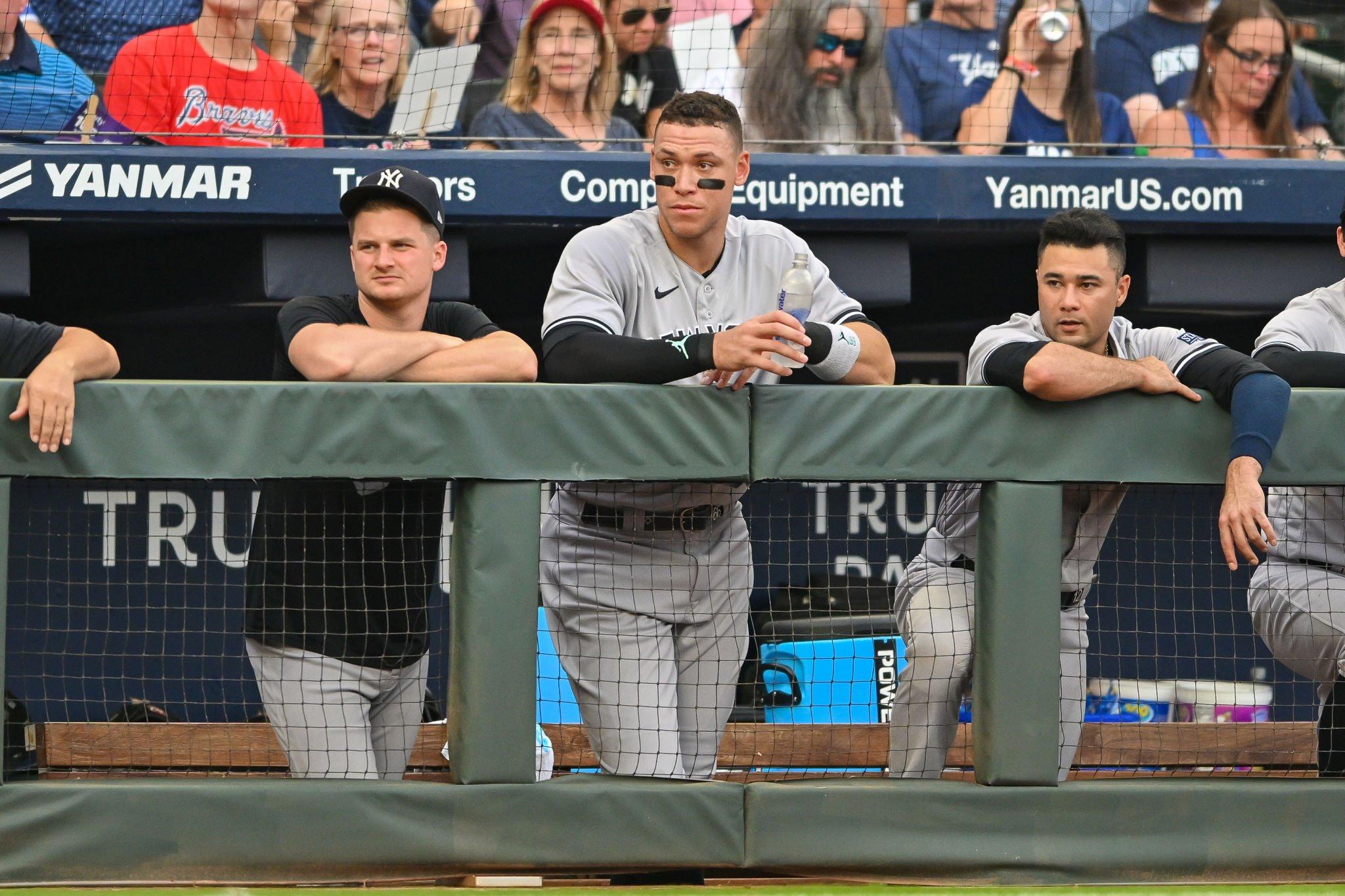
The confrontation erupted in the sixth inning after Chisholm, positioned at second base, signaled pitch locations to teammate Anthony Volpe. The Yankees capitalized on this advantage, with Volpe delivering a sacrifice fly off Rafael Montero during a decisive four-run surge. Upon reaching third base, Chisholm faced heated words from Pérez in the Braves’ dugout, accompanied by the disputed gesture.
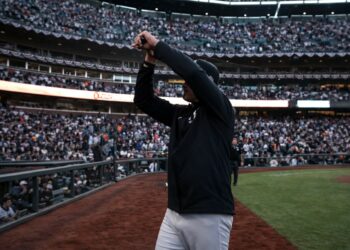
“I hope it didn’t [have to do with throwing at his head], because obviously there’s no place for that,” Yankees manager Aaron Boone stated Sunday. “That’s certainly something that would not be OK. I hope he didn’t mean anything like that by it, because that would deserve some looking into.”
Conflicting accounts emerge as Chisholm remains silent
Yes Network
The Yankees infielder refused to discuss Saturday’s events with media members.
“If you’re going to ask about [Saturday], no comment,” Chisholm told reporters Sunday.
Jazz Chisholm Jr. was jawing with Braves coach Eddie Perez
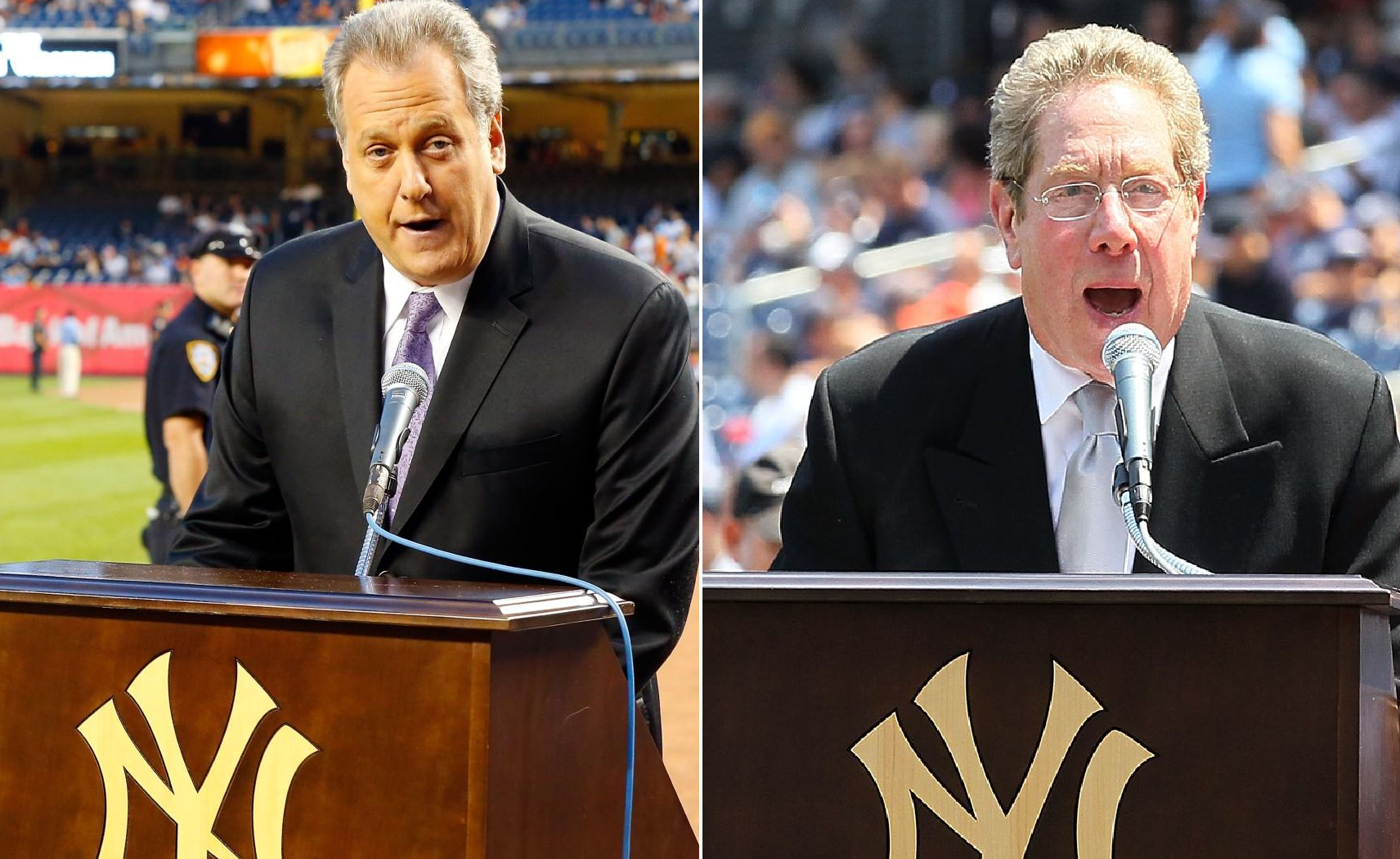
Yankees broadcasters Michael Kay and Joe Girardi believe Perez was threatening to have Jazz hit in the head pic.twitter.com/Se7KU4tY5U
Meanwhile, Perez defended his actions, insisting no harm was intended.
“I like that guy. He’s one of my favorites. And he got mad about it. I don’t know why he got mad about it.”
The Braves coach elaborated on his perspective: “I just wanted him to be smart, that’s all it was. Use his head. I have a lot of respect for that guy, I like him, but I guess he didn’t like what I had to say and got upset with me.”
Despite Perez’s explanations, MLB officials proceeded with their inquiry. The investigation includes player and coach interviews, analysis of game recordings, and evaluation of whether the incident violated league protocols regarding player safety and retaliation threats.
Sign-stealing? Within rules but creating friction
Saturday’s incident represents the Yankees’ second sign-relaying controversy this month. The team previously capitalized on Seattle Mariners closer Andres Munoz‘s pitch-tipping during a July comeback victory. Both instances fall within MLB’s legal framework, as non-electronic sign transmission from second base remains permissible.
The Yankees were able to read when Andres Munoz was throwing a slider in the ninth inning.
The runner on second would wave his hands to signify when a slider was coming.
“Every team now, from the start of the year to the end, you’re trying to find little advantages out there,” Boone explained. “You’re constantly trying to find advantages where you can and where they present themselves in a certain game. That’s all good.”
However, the visual impact of Chisholm’s signals combined with the Braves’ dugout’s reaction intensified an already competitive atmosphere between two postseason contenders.
MLB’s disciplinary options: What could follow
Should investigators determine that Perez’s conduct constituted a safety threat to Chisholm, significant consequences could follow. The potential penalties include:
Suspension (Primary Consideration)
Duration: 5–30 games
Historical precedent suggests this outcome carries the highest probability. When Dodgers pitcher Joe Kelly received an eight-game suspension in 2020 for throwing near Houston batters, it established a benchmark. A coaching staff member encouraging retaliatory pitches could face enhanced discipline, potentially ranging from 10 to 15 games.
Monetary Penalties
Amount: $5,000–$25,000
Financial sanctions typically accompany suspensions in severe incidents. Coaching personnel found guilty of compromising game integrity or player welfare often receive penalties toward the upper threshold.
Franchise-Level Consequences
If investigations reveal institutional tolerance of such behavior within the Braves organization, MLB could issue formal warnings or organizational fines. While unlikely, extreme violations might trigger draft-related penalties or international bonus pool reductions.
Career-Ending Measures (Rare Scenario)
Extreme sanctions, including role termination or league-wide bans, remain possible though improbable. Such measures typically require repeated violations or conduct threatening league integrity, as demonstrated by Chris Correa’s lifetime suspension for corporate espionage. Current allegations likely fall short of this threshold.
Ongoing Investigation Details
MLB’s review process incorporates multiple evidence sources:
Video analysis from dugout and field cameras
Testimony from players, coaches, and the umpiring crew
Available audio recordings or internal communications
Chisholm’s decision to remain silent introduces uncertainty, though supporting evidence from teammates or video documentation could prompt decisive action under MLB’s strict anti-headhunting policies.
The Yankees demonstrated professional resolve Sunday, securing a 4-2 victory to claim the series against Atlanta. Chisholm remained active in the lineup without facing apparent retaliation from Braves pitchers.
The win showcased New York’s ability to perform under pressure while managing external distractions.
Future Implications for Baseball
Regardless of Perez’s eventual fate, this incident underscores MLB’s vigilant approach to monitoring field-level interactions, especially those suggesting physical threats.
The investigation’s conclusion may establish precedents for addressing dugout confrontations and perceived intimidation tactics throughout professional baseball.