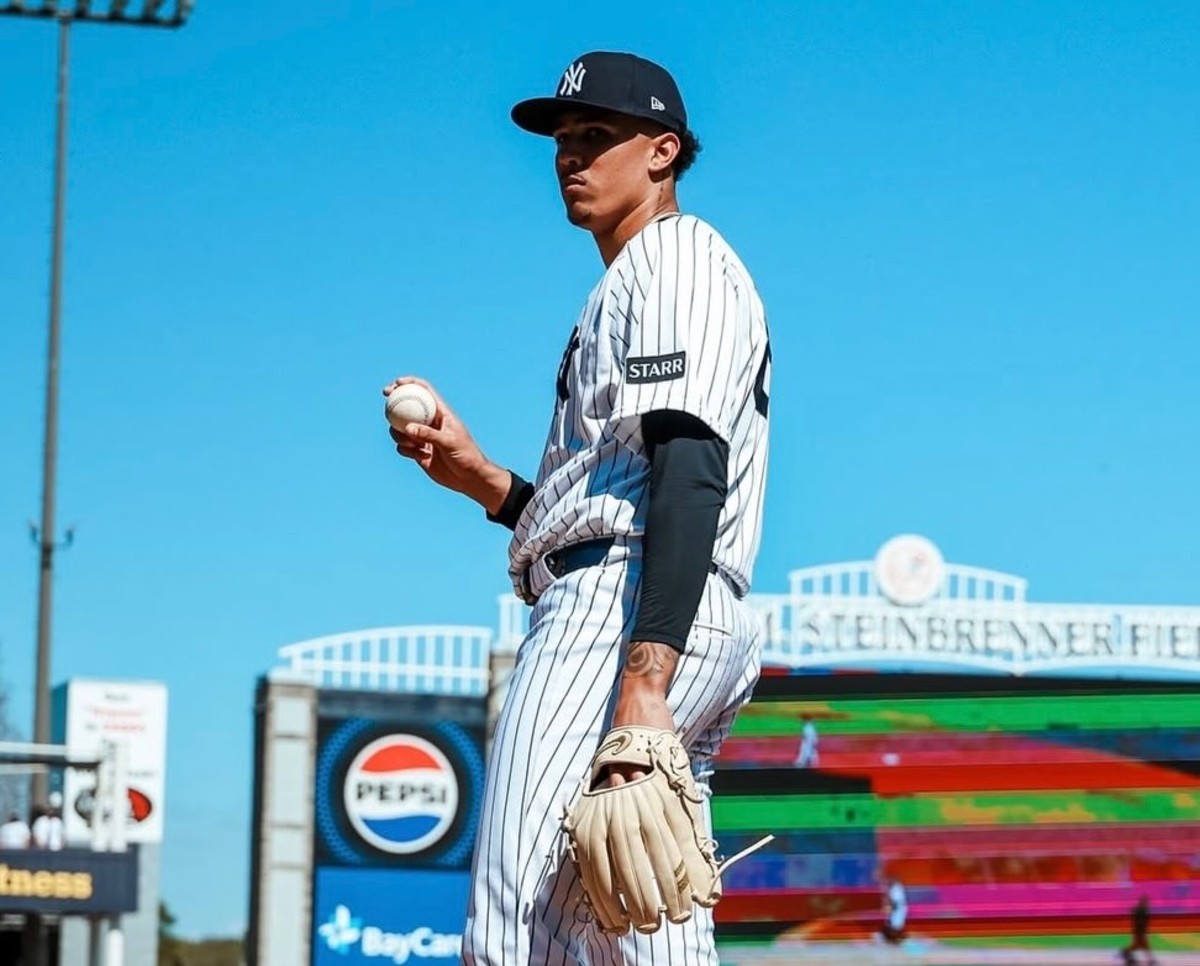
TAMPA — Before Carlos Lagrange‘s triple-digit fastball turned heads at Yankees spring training this month, the flame-throwing prospect made a different kind of roster. Last September, Lagrange partnered with Finlete, a San Diego-based startup that lets fans buy shares in a ballplayer’s potential future major league earnings.
The concept works like a stock. Fans invest. If the player makes the majors and earns a big league salary, the investors get a return. If the player never reaches the show, the investors get nothing. The player keeps the upfront money either way.
For Lagrange, who signed with the Yankees out of the Dominican Republic in February 2022 for just $10,000, the money filled a gap the sport’s economic system created. Most Yankees minor leaguers wait years for significant paydays through arbitration and free agency. Lagrange did not want to wait.
“I felt like I needed it,” Lagrange said, “and I felt like it was a good deal.”
How the Finlete deal works for the Yankees phenom
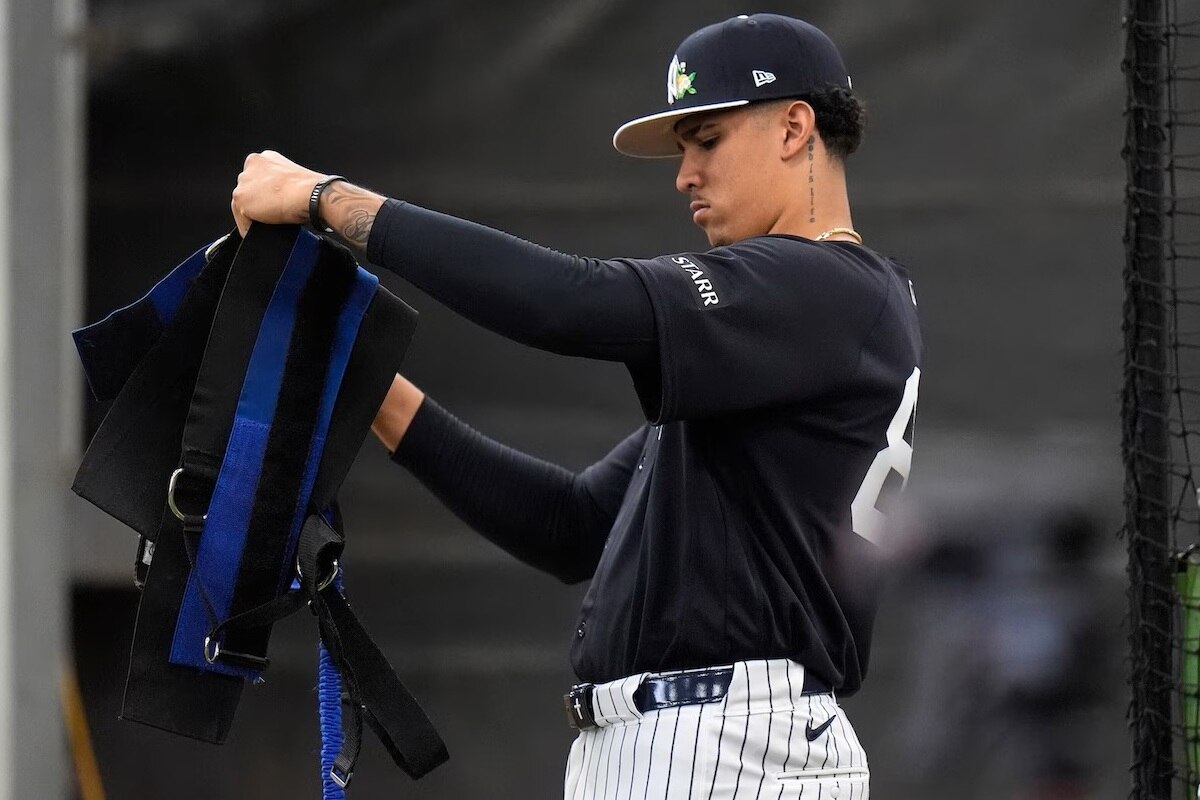
Finlete raised $169,403 in total investments for Lagrange before the funding window closed in January. That came from just under 75,000 shares priced at $2.26 each, purchased by more than 100 investors. Investments start at $300, with larger sums unlocking perks like signed memorabilia, VIP experiences and virtual meet-and-greets.
Lagrange signed a 25-year deal with Finlete and will be responsible for paying back 0.75 percent of his potential major league earnings. If the Yankees pitcher makes $13 million over his career, he would owe roughly $97,000 to investors, meaning they would take a loss. If he earns $300 million, the payout to investors would be approximately $2.5 million, more than 14 times the total invested. Finlete takes a 10 percent management fee, also drawn only from future major league earnings.
“We exist to shift career risk away from athletes and onto investors,” co-founder Rob Connolly told the New York Daily News. “If we work with an athlete, we help them raise capital. If they don’t make the majors, they don’t pay us back, full stop.”
Lagrange said Finlete communicated with him in Spanish so he fully understood the terms. Paperwork was presented in both languages and reviewed by a lawyer at the recommendation of his college-educated parents, who were part of the negotiations.
“Everything checked out correctly,” Lagrange said. “We just wanted to make sure that there was nothing there that was going to compromise my career in the future, and we felt good about it.”
Lagrange’s spring has Yankees investors buzzing
Lagrange was easily the most impressive pitcher in Yankees camp this spring. The 22-year-old Yankees right-hander posted a 0.66 ERA with 13 strikeouts and four walks across 13.2 innings. His fastball regularly topped 100 mph and touched 102. He showed improved command, nasty secondary stuff and maturity that impressed the entire Yankees coaching staff.
MLB.com ranks the Yankees prospect as the 79th-best in baseball. He has 147 career strikeouts across his minor league career and has not yet pitched above Double-A. Despite the electric showing, the Yankees chose not to put Lagrange on the Opening Day roster. They want him to continue developing as a starter rather than converting him to a Yankees bullpen role.
“He’s definitely got everyone’s attention,” Yankees manager Aaron Boone said. “I love where he’s at. I would not be surprised if he is impacting us early, middle, later part of the season.”
Aaron Judge said Lagrange has the potential “to be a front-line starter for the New York Yankees.”
“I don’t have any doubts he could help us right now,” catcher Austin Wells added.
“He thinks like an ace,” said assistant pitching coach Preston Claiborne, who worked closely with Lagrange in the Yankees minors. “He prepares like an ace, and that’s what he wants to be. He’s special, because the kid cares. He’s very disciplined, and he’s very dedicated.”
The risks that come with investing in athletes

Finlete is not the first company to try this model. Fantex, which let investors trade securities tied to professional athletes, dissolved in 2017. Spencer Dinwiddie tried to turn his NBA contract into a digital investment vehicle in 2019, but the league blocked it. Big League Advance gave Fernando Tatis Jr. $2 million upfront for 10 percent of his future earnings in 2017. Tatis later tried to void the agreement through a lawsuit but lost in arbitration.
Finlete’s highest-profile client before Lagrange was Emmanuel Clase, the Guardians closer who raised more than $315,000 through the platform. Clase was federally indicted in November in a gambling investigation alleging he threw rigged pitches. He was placed on unpaid non-disciplinary leave on Friday and may never pitch in the majors again. Connolly declined to comment on Clase’s case.
“We have to be clear: these are high-risk investments,” Connolly said. “We can’t shy away from that because these deals can equal zero. It’s a possibility. Or they can equal a really high return.”
Lagrange is one of 13 Finlete clients. All are baseball players from Latin America. The company has raised over $800,000 from more than 1,000 fan investors. The Yankees prospect raised the most of any player in the portfolio.
The Yankees phenom is not worried about the pressure
The intersection of fan investment and player performance raises obvious concerns. Fans already harass athletes over gambling losses and fantasy results. Selling shares in a Yankees player could add another layer of toxicity. Lagrange said he is not concerned.
“I don’t think it’s something that is going to bother me at the end of the day,” he said. “I am not usually in there reading direct messages. I try to stay away from it, regardless of what’s going on on the field.”
“Carlos has earned every bit of the attention he’s getting this spring,” Connolly said. “He looks like a big leaguer, plain and simple. The expectation isn’t just that he debuts this season; it’s that he sticks and makes an impact on a very talented Yankees roster.”
Lagrange used his upfront capital to provide for his family and invest in training, gym time and vitamins. He said the $10,000 signing bonus that started his Yankees career created a chip on his shoulder. Finlete saw that fire and bet on it. Now, with his stock soaring after the best spring of any pitcher in Yankees camp, the prospect and his investors are both waiting for the same thing: a big league debut that could make everybody money.
What do you think about such athletic asset making?